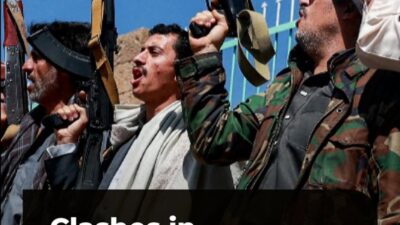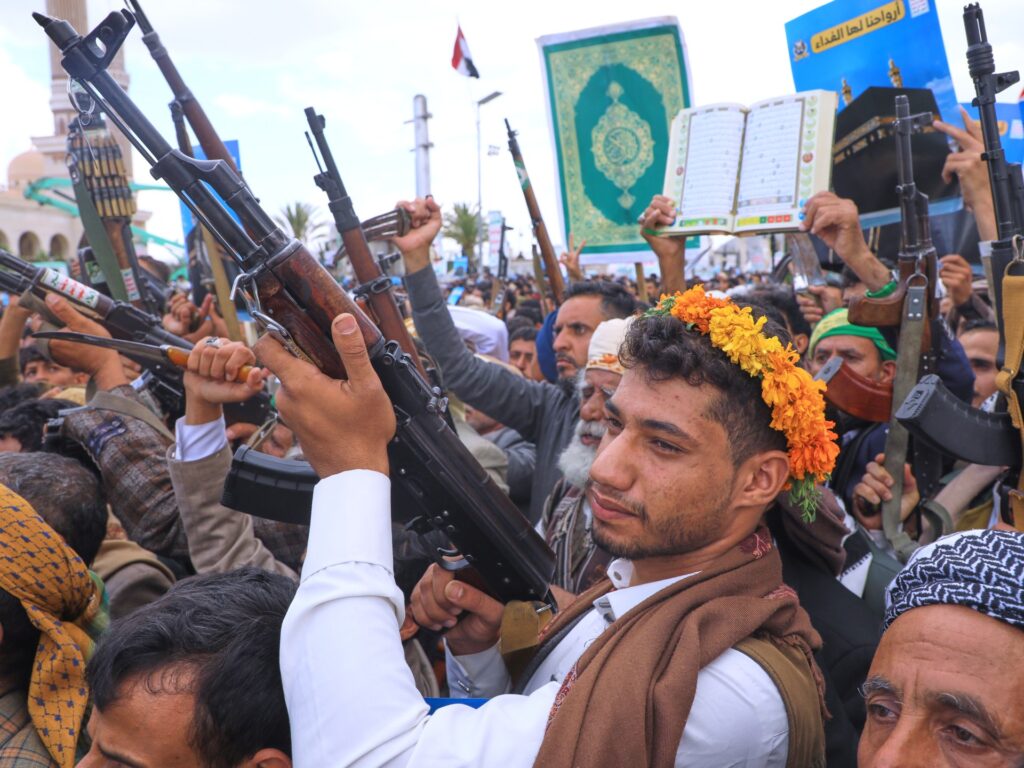
The Yemen conflict is one of the most complex and devastating wars in recent history, with roots that go deep into the country’s political, tribal, and regional dynamics. Here’s a brief history to help understand the conflict from the Houthi takeover in 2014 to the latest escalation.
1. Background and Roots of the Conflict:
Yemen, located on the southern tip of the Arabian Peninsula, has long been a country with political instability, economic struggles, and tribal divisions. The Arab Spring protests in 2011 led to the resignation of President Ali Abdullah Saleh, who had ruled for over three decades.
2. The Rise of the Houthis:
The Houthi movement, officially called Ansar Allah, stems from the Zaidi Shia Muslim minority in northern Yemen. Discontented with political marginalization and influenced by regional dynamics, the Houthis launched an insurgency against the Yemeni government starting in the mid-2000s.
3. Houthi Takeover in 2014:
In late 2014, the Houthis seized the capital Sanaa and much of northern Yemen. This takeover led to President Abdrabbuh Mansur Hadi fleeing to Saudi Arabia and a significant power vacuum in the country.
4. Regional and International Involvement:
Saudi Arabia and a coalition of Arab states launched a military intervention in 2015 aimed at restoring Hadi’s government. They viewed the Houthis as Iranian proxies, given Iran’s support for the group. This intensified the conflict, turning it into a proxy war between Saudi Arabia and Iran.
5. Humanitarian Crisis:
The war has had devastating impacts on Yemen’s civilian population. Thousands have been killed, millions displaced, and the country faces one of the worst humanitarian crises in the world, including famine, disease outbreaks, and infrastructure collapse.
6. Latest Escalations:
The conflict has seen numerous flare-ups and failed ceasefires. Recent escalations involve increased Houthi missile attacks on Saudi territories and intensified airstrikes by the Saudi-led coalition. Peace talks remain fragile with ongoing division among Yemeni factions.
7. International Efforts and Challenges:
The United Nations and various humanitarian organizations continue to call for ceasefires and negotiated settlements. However, deep-rooted political rivalries, external influences, and fragmented internal politics make resolutions difficult.
In summary, the Yemen conflict is marked by internal divisions, regional power struggles, and severe humanitarian consequences. Despite international attention and multiple peace efforts, a lasting solution remains elusive, prolonging the suffering of Yemen’s people.