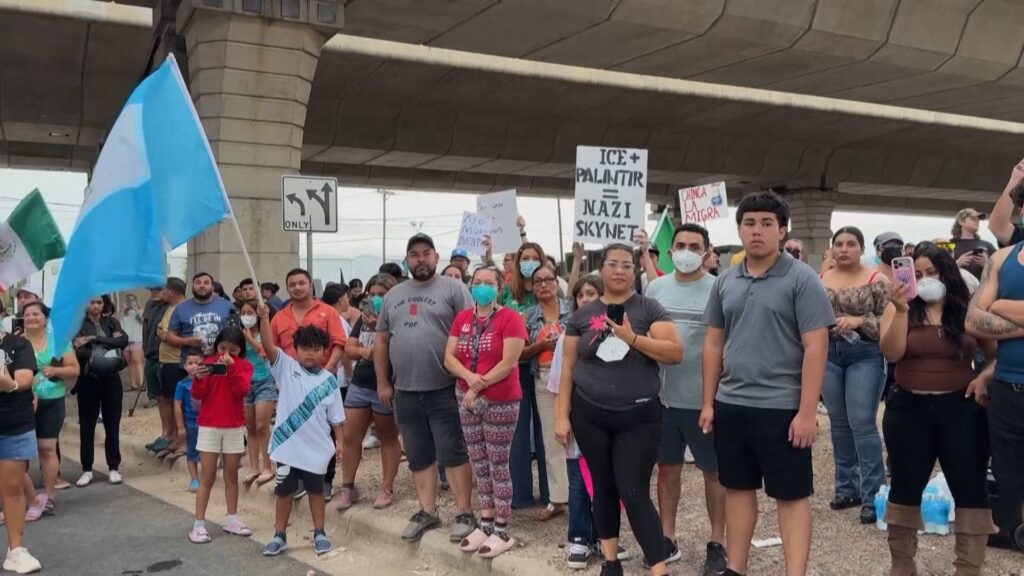
Tensions escalated in Texas as protests erupted following the shooting of a Venezuelan man by a U.S. Immigration and Customs Enforcement (ICE) agent during an immigration enforcement operation. The incident ignited widespread outrage and prompted immediate demonstrations in several locations across the state.
According to initial reports, the shooting occurred when ICE agents were conducting an immigration enforcement action aimed at detaining undocumented immigrants. Details surrounding the circumstances that led to the use of deadly force remain under investigation, with authorities still gathering testimonies and video evidence.
The victim, identified as a Venezuelan national, was reportedly involved in an altercation with the ICE agents which culminated in the shooting. Local community leaders and immigrant advocacy groups have raised concerns about the excessive use of force and called for a transparent inquiry into the event.
Protesters have congregated at key sites in Texas, including outside ICE detention centers and government buildings, demanding justice and reforms in immigration enforcement policies. Many have expressed sorrow and anger over what they describe as systemic issues related to the treatment of immigrant communities by law enforcement agencies.
The protests highlight a growing discontent with the federal immigration enforcement strategies, especially in states like Texas, which have large immigrant populations and have been central in national immigration debates. Advocates emphasize the need for alternative approaches that prioritize human rights and community safety over aggressive enforcement tactics.
Texas officials have stated they are monitoring the situation closely and are cooperating with federal authorities to ensure a thorough and impartial investigation. Meanwhile, ICE issued a statement acknowledging the incident and expressing condolences to the family of the man shot.
The shooting adds to an ongoing national discourse on immigration enforcement, use of force by law enforcement, and the treatment of minority and immigrant communities across the United States. It remains a pivotal moment for policy makers, law enforcement bodies, and civil rights groups alike.
Community organizers are planning further protests and public forums to address the broader issues of immigration rights and police accountability. The incident underscores the complex and often contentious nature of immigration enforcement in the U.S., as well as the human costs involved.
As investigations continue, calls for heightened transparency, community engagement, and legislative reassessment of immigration policies are expected to grow louder. The outcome of these developments could significantly impact future immigration enforcement practices and the relationship between law enforcement agencies and immigrant communities in Texas and beyond.