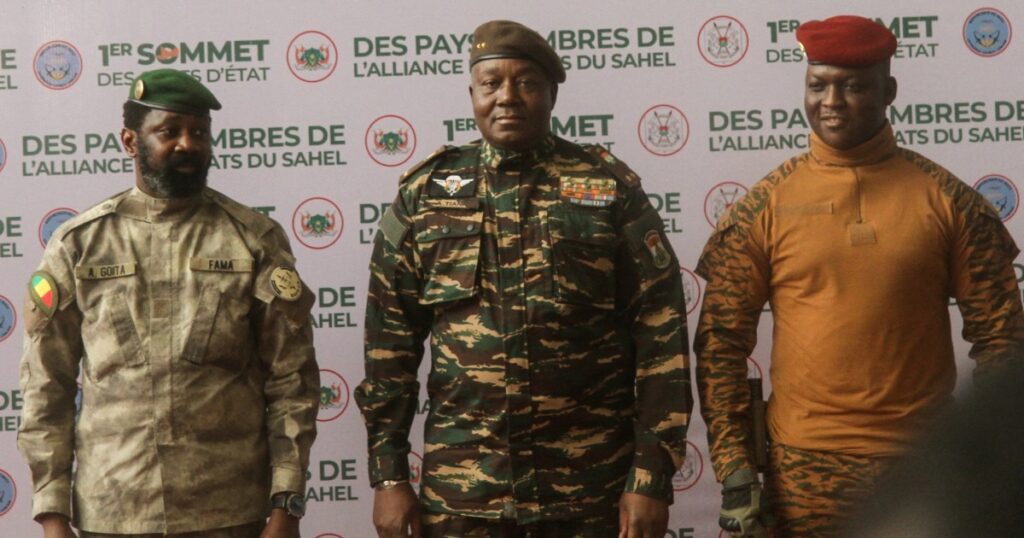
As the 81st session of the United Nations General Assembly (UNGA 81) convenes, attention is drawn to the evolving dynamics in the Sahel region, a vast and strategically important area in Africa facing complex challenges. The United Nations, which has long played a significant role in addressing the region’s humanitarian and security issues, now faces a shifting landscape necessitating redefined approaches and a recalibrated presence.
The Sahel — stretching across several countries from the Atlantic Ocean in the west to the Red Sea in the east — has been grappling with interlinked crises including armed conflicts, terrorism, climate change impacts, food insecurity, and population displacement. These multifaceted challenges have driven the international community’s involvement, particularly through the UN’s peacekeeping missions and development programs.
However, the context in the Sahel is changing. There is a growing call from regional governments and communities for greater sovereignty and locally-driven solutions. This demand reflects a maturation of political will and increased capacity within the Sahel nations to take ownership of their complex security and development challenges.
In response, the UN is adapting its role from a predominantly direct operational presence towards a smaller footprint focusing on enabling and supporting national efforts. This involves shifting from large-scale peacekeeping operations to more strategic advisory roles, capacity building, and mobilizing resources to bolster regional stability.
The UN’s renewed approach in the Sahel aims to empower local actors and reinforce regional mechanisms. Strengthening the capacities of the G5 Sahel Joint Force — an initiative comprising Burkina Faso, Chad, Mali, Mauritania, and Niger — is a critical part of this strategy. The UN seeks to facilitate coordination among these nations and international partners to foster sustainable peace and development.
Moreover, the organization emphasizes the importance of addressing root causes such as governance deficits, economic marginalization, and climate vulnerability. Integrated strategies that combine security, development, and humanitarian efforts are essential to breaking the cycle of violence and instability.
The evolving UN role also reflects lessons learned from prolonged interventions, recognizing that sustainable peace requires not only military presence but inclusive political processes and local ownership of solutions.
As UNGA 81 sets the global agenda, discussions around the Sahel underscore the necessity of a concerted and nuanced international response. The world is encouraged to support the Sahelian countries’ aspirations to chart their own path while acknowledging the ongoing need for international solidarity.
This recalibration represents both a challenge and an opportunity. The challenge lies in balancing the urgency of preventing further deterioration with respect for sovereignty and local agency. The opportunity is to redefine partnerships, harness regional expertise, and craft innovative approaches that promise a more resilient Sahel.
In sum, the UN’s changing footprint in the Sahel during UNGA 81 signals a strategic shift from direct intervention to a collaborative role centered on enabling sustainable, locally led change. It is a transition that aims to align global support with the evolving aspirations of the Sahel’s peoples and governments at a pivotal moment in the region’s trajectory.