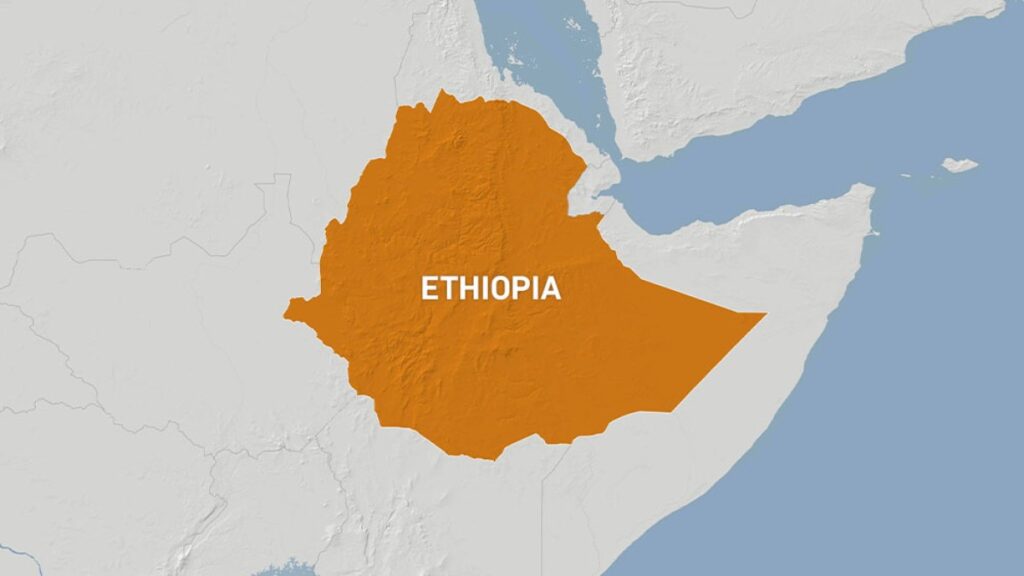
In a significant development that could reshape the political and security landscape of Ethiopia, several former adversarial armed groups have announced a historic alliance against the Ethiopian government. This unprecedented coalition marks a critical point in Ethiopia’s ongoing conflict, as these groups, long divided by ethnic and political differences, have agreed to set aside their hostilities in a united front.
The alliance emerges amidst increasing concerns both within Ethiopia and internationally about the escalation and expansion of the war that has already caused substantial human suffering and regional instability. Analysts warn that the formation of this coalition could signal a new phase of intensified conflict with wider implications.
Historically, Ethiopia has been plagued by deep-rooted ethnic divisions and political conflicts. Various armed groups have taken up arms over the past decades, each advocating for their ethnic group’s autonomy, political representation, or territorial control. These conflicts have often been localized and fragmented, which allowed the government to negotiate or fight these groups separately. However, the new alliance changes this dynamic.
According to sources within the coalition, the armed groups have committed to settling their internal differences through dialogue and cooperation. This strategic move aims to enhance their collective bargaining power and strengthen their position against the federal government forces. The alliance, therefore, not only intensifies the military challenge but also signals a potential shift towards a more coordinated and politically savvy opposition.
The Ethiopian government has responded cautiously to the announcement. Government officials have condemned the alliance as a threat to national unity and have vowed to respond firmly to any acts of rebellion. Meanwhile, attempts at dialogue by international mediators have gained renewed urgency, as the risk of broader conflict looms.
Regional actors and international stakeholders have expressed alarm over the developments. They warn that an expanding war could exacerbate Ethiopia’s humanitarian crisis, displace more civilians, and destabilize the Horn of Africa region. Calls for peaceful resolution and inclusive political dialogue have intensified.
Human rights organizations have also raised concerns about the impact of the intensified conflict on civilians, including increased risks of displacement, violence, and disruption of essential services. They urge all parties to prioritize civilian protection and adherence to international humanitarian law.
In summary, the formation of an alliance among Ethiopian armed groups reflects a critical evolution in the conflict dynamics within the country. While it poses significant challenges for the Ethiopian government and risks escalating violence, it also highlights the urgent need for renewed efforts towards comprehensive peace negotiations. The coming weeks will be crucial in determining whether this coalition leads to sustained conflict or becomes a catalyst for political dialogue and resolution.