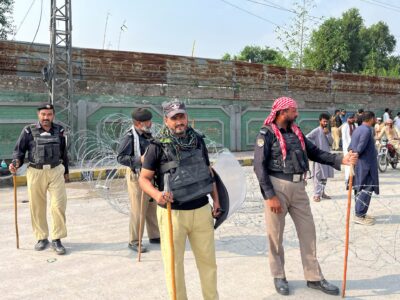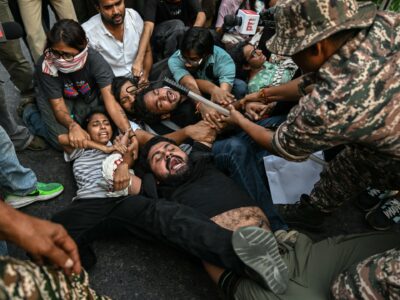
In a controversial development, the sister of former Pakistan Prime Minister Imran Khan was arrested just before a planned march organized by the Pakistan Tehreek-e-Insaf (PTI) party. The incident has caused an uproar within political circles and has been condemned by the PTI, which labeled the arrest as an illegal attempt to silence dissent and intimidate the party during a time of significant political unrest.
The backdrop to this arrest is the ongoing imprisonment of a prominent PTI leader, which has already stirred tensions between the ruling establishment and the opposition party. The PTI had organized a march to express their grievances and rally support, spotlighting what they describe as political victimization and a crackdown on their leadership.
According to reports, the sister of Imran Khan was taken into custody by police as she prepared to participate in the march. Her arrest has been criticized as a move to dampen the PTI supporters’ enthusiasm and weaken the party’s momentum ahead of the demonstration.
PTI officials and supporters have vociferously condemned the arrest, calling it unjust and politically motivated. They argue that targeting family members of party leaders is a tactic aimed at undermining the party’s integrity and morale. This incident has further galvanized PTI supporters, who see it as emblematic of the challenges they face under the current political climate.
The political turmoil in Pakistan has escalated in recent months, with the PTI increasingly facing pressure from governmental institutions. This arrest adds another layer of complexity to the already strained political environment, raising concerns about the suppression of opposition voices and the state of democracy in the country.
Observers note that the use of arrests as a political tool is not uncommon in Pakistan’s turbulent political history. Critics argue that such actions undermine democratic principles and inhibit healthy political discourse.
The PTI march, initially planned as a peaceful demonstration to advocate for political reforms and the release of imprisoned leaders, now carries even greater symbolic weight. The arrest of Imran Khan’s sister has intensified calls for justice and transparency, with the party demanding her immediate release.
This incident also shines a light on the broader issue of political freedoms in Pakistan, as international human rights organizations have frequently expressed concern about the treatment of opposition figures and activists in the country.
As the situation evolves, the political landscape remains volatile. The government has yet to issue a comprehensive statement explaining the reasons behind the arrest. However, political analysts predict that this move may provoke wider protests and increase political instability.
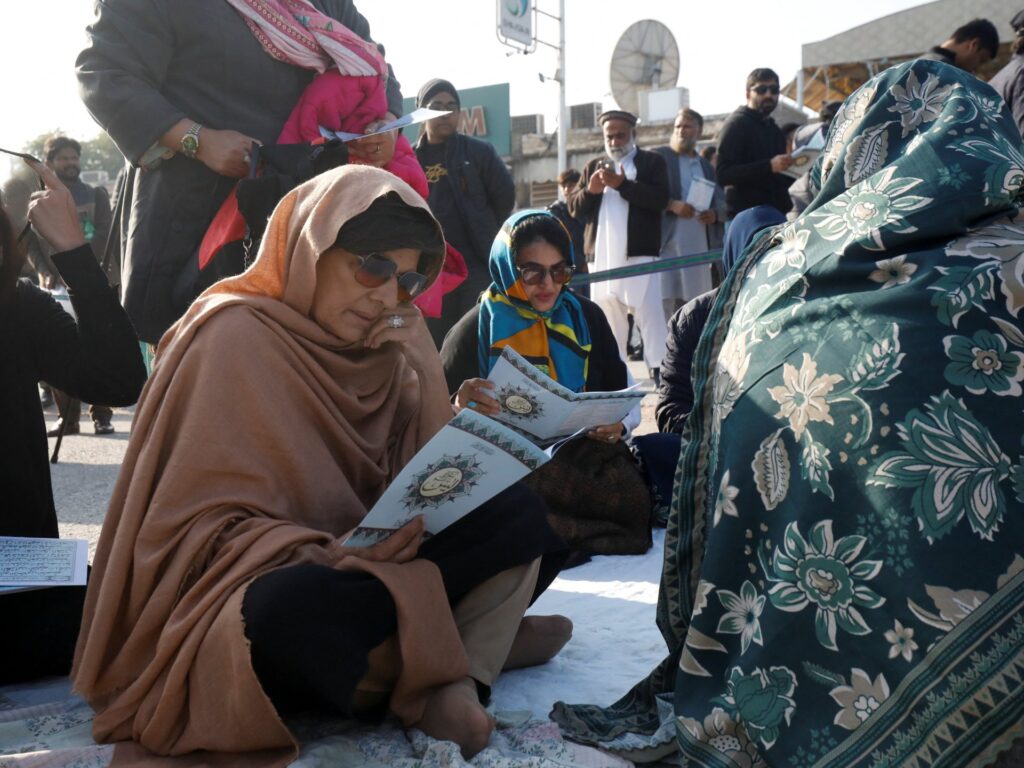
Supporters of Imran Khan and the PTI continue to hold rallies and demonstrations, emphasizing their commitment to peaceful resistance despite these setbacks. The arrest has, if anything, strengthened their resolve to fight for their political rights and demand accountability from the government.
In conclusion, the arrest of Imran Khan’s sister marks a significant and controversial moment in Pakistan’s ongoing political struggle. It highlights the intensity of political conflict in the country and raises important questions about justice, freedom, and the role of opposition parties in Pakistan’s democracy. The coming days will be crucial in determining the impact of this incident on the PTI’s activities and the broader political dynamics of the nation.