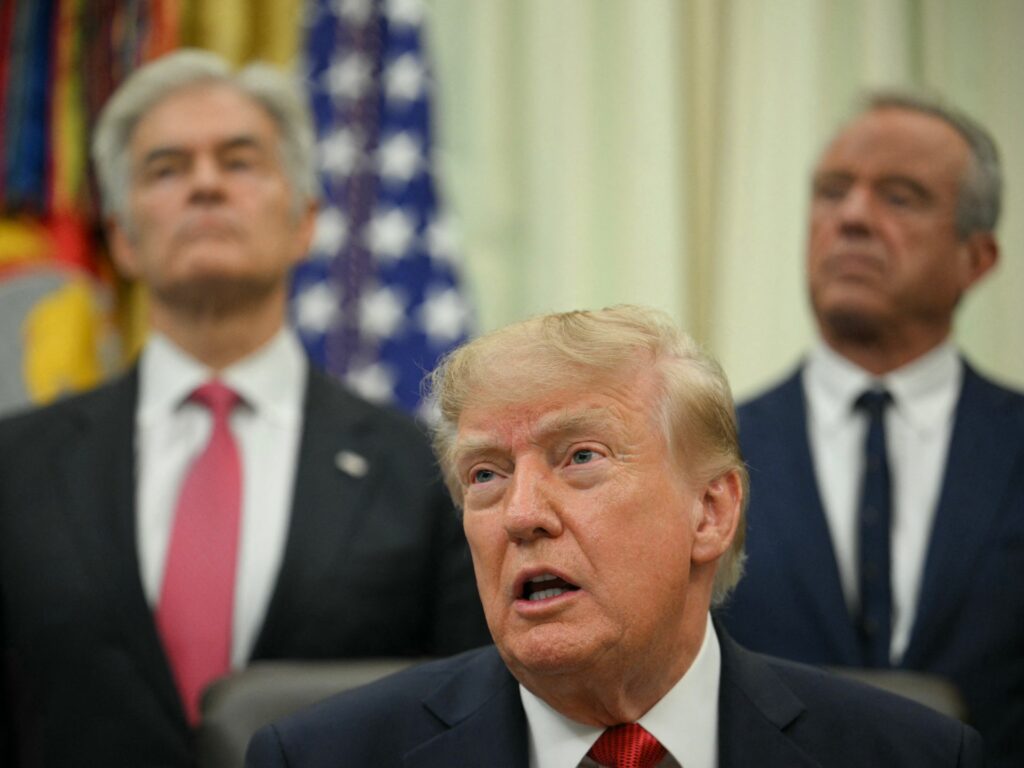
In a controversial move, US President Donald Trump has banned major media outlets CNN, MSNBC, and Politico from accessing the White House. The president accuses these organizations of spreading ‘fiction and lies,’ labeling their coverage as ‘fake news.’ This decision marks a significant escalation in tensions between the Trump administration and parts of the media.
President Trump has repeatedly clashed with the press during his tenure, criticizing what he sees as biased and inaccurate reporting. The latest step to bar several prominent media outlets underscores his administration’s hardline stance on media relations.
According to the White House announcement, the banned outlets were responsible for reports that the administration deems false or misleading. The president insists that by restricting their access, his administration aims to combat misinformation and hold the media accountable for their narratives.
Journalistic organizations and free press advocates have expressed concern and condemnation regarding the bans. Many see the move as a threat to transparency and a dangerous precedent that undermines the role of the press in a democratic society.
Critics argue that such measures could limit the flow of information from the government to the public, reducing oversight and the ability to question those in power. Supporters of President Trump, however, claim that these outlets have long been unfair and biased in their coverage and that the ban is a justified response to protect the administration’s image and policies.
The ban affects individual reporters and camera crews from the specified networks and publications, barring their physical presence at press briefings and other White House events.
This is not the first time President Trump has criticized the media; his administration frequently uses terms like ‘fake news’ to discredit unfavorable coverage. However, actual banning of media outlets from official events represents a new and more aggressive tactic.
The implications of this ban extend beyond the affected outlets, sparking wider discussions about the balance between press freedom and government control of information. It raises questions about the future relationship between the media and the Trump administration, as well as the standards for press access rights to government facilities.
As American democracy relies heavily on an informed citizenry through a free press, such measures provoke debates about the essential role of journalism and government accountability.
The White House has not indicated any plans to lift the ban or reconsider the policy in the near future. Media organizations affected have vowed to continue their reporting despite the restrictions.
This development highlights the ongoing struggle between the Trump administration and parts of the media, a conflict defining much of the political narrative during his presidency.
Further reactions from politicians, civil rights groups, and international observers are expected as the story develops. The situation continues to affect public discourse on media regulation, government transparency, and the boundaries of press freedom in the United States.