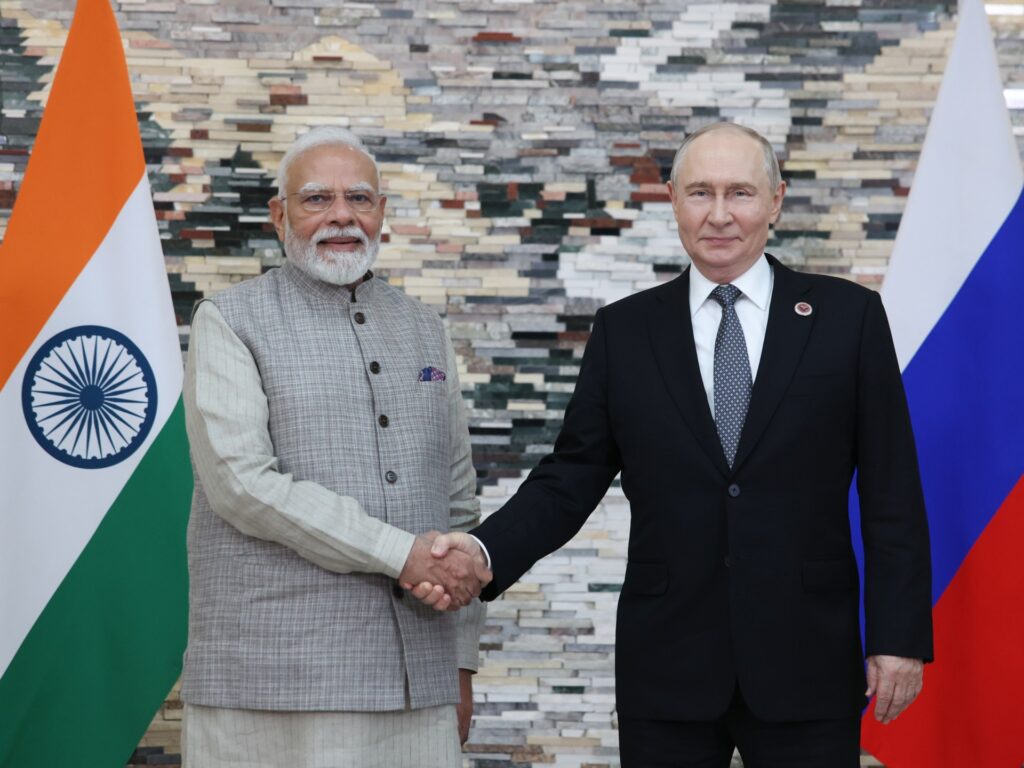
India has issued a warning regarding the potential impact of newly proposed US tariffs on Russian oil, emphasizing that such measures could affect the broader India-US relationship. New Delhi has made clear its firm determination to protect its trade and economic interests amid growing tensions over international sanctions on Russia.
The context of the warning stems from increasing US efforts to curtail Russian oil exports as part of sanctions linked to the conflict in Ukraine. The US government has been pushing for global restrictions on Russian energy, aiming to reduce Moscow’s revenue streams. However, India, as one of the world’s largest importers of oil, including discounted Russian crude, has voiced strong concerns about the implications of new tariffs.
Indian officials suggest that additional US tariffs imposed on Russian oil imports could disrupt established trade flows, resulting in economic harm to India’s energy security and inflation targets. Moreover, India highlights the potential diplomatic repercussions, warning that such unilateral measures from the US might strain the robust bilateral relationship that has been built on mutual interests and cooperation.
These remarks come at a time when India is balancing its strategic partnerships, notably maintaining close ties with both Russia and the United States. New Delhi’s defense and energy relationships with Russia remain significant, while simultaneously deepening collaboration with the US across diverse sectors such as technology, defense, and trade.
India’s stance is rooted in a broader principle of safeguarding its sovereign right to pursue independent foreign and trade policies. New Delhi maintains that it respects international law but resists external pressures that could undermine its economic growth and geopolitical autonomy.
The US, on the other hand, argues that controlling Russian oil revenues is essential to exerting pressure on Moscow to cease its military actions in Ukraine. Washington urges partners and allies to participate in unified sanctions measures to maximize the impact and effectiveness of such policies.
Industry experts acknowledge that the addition of US tariffs on Russian oil imports by India could lead to a complex realignment of global oil markets. India has relied on discounted Russian crude to meet its growing energy demands affordably, and punitive tariffs may compel New Delhi to seek alternative suppliers or bear higher costs.
Furthermore, the ongoing tension highlights the challenges of global diplomacy in balancing national interests with collective international efforts to address geopolitical crises. India’s call for protecting its trade interests while attempting to maintain good relations with both Russia and the US illustrates the delicate diplomatic tightrope it walks.
Economic analysts note that if the US moves forward with tariffs, it will need to consider the broader consequences on Indo-US trade relations, which have deepened significantly in recent years. Trade between the two countries has expanded into multiple sectors, making this a critical moment for policymakers on both sides to find common ground.
In conclusion, India’s warning against new US tariffs on Russian oil imports underscores the intricate interplay between global energy security, international diplomacy, and national economic priorities. As Washington continues to press for restrictions on Russian oil, New Delhi reaffirms its commitment to safeguarding its sovereign interests and preserving its strategic autonomy in international affairs.