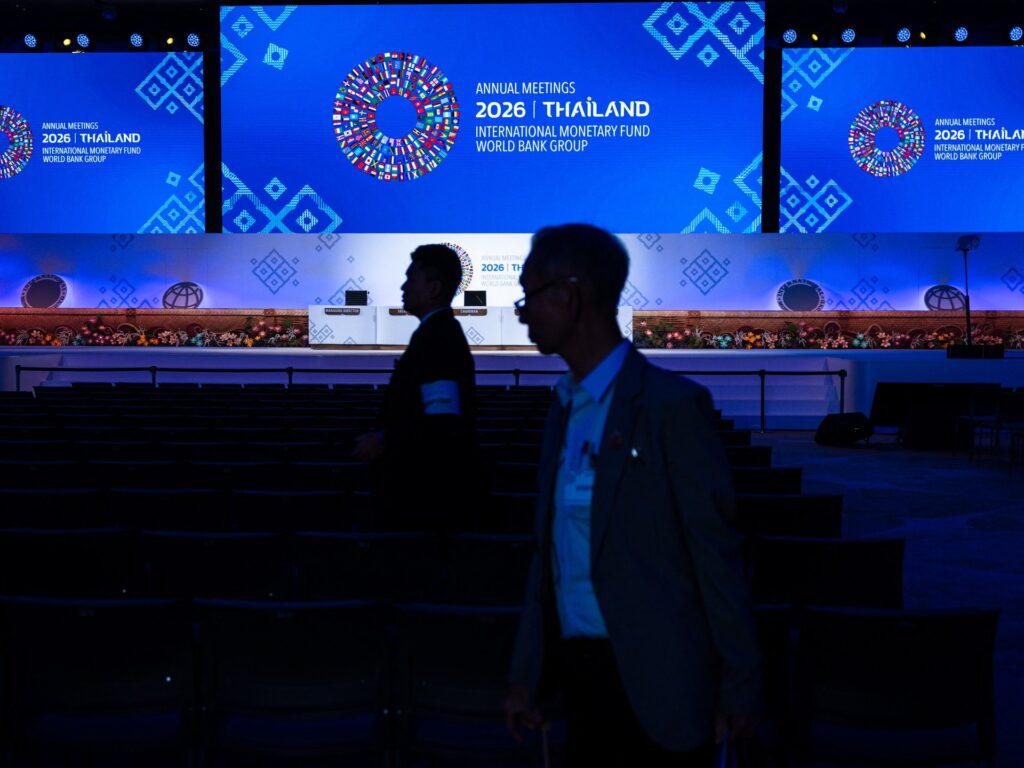
The upcoming IMF-World Bank meetings in Bangkok are expected to be heavily influenced by two critical issues: the ongoing US-Israel war on Iran and the global economic challenges posed by high debt levels. These themes are anticipated to dominate discussions among world financial leaders as they seek to navigate the complex economic fallout from geopolitical conflicts and inflationary pressures.
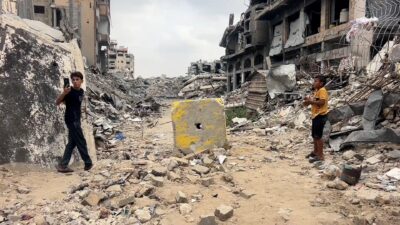
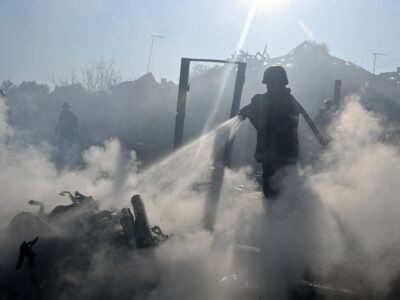
The conflict involving the US and Israel against Iran has escalated tensions in the Middle East, causing widespread concern about its impact on global stability. One of the most immediate consequences of this war is its effect on inflation, which has been aggravated by disruptions in oil supply and increased uncertainty in global markets. Policymakers are expected to grapple with strategies to address these inflationary pressures while balancing the needs for economic growth and financial stability.
High debt levels represent another pressing issue on the agenda. Many countries, already burdened by large fiscal deficits due to pandemic-related spending and stimulus packages, are now facing the challenge of managing debt amidst rising borrowing costs. The combination of war-driven economic shocks and mounting debt is creating a precarious environment for many nations, highlighting the need for coordinated action.
In Bangkok, IMF and World Bank officials are likely to discuss measures to support vulnerable economies struggling with debt sustainability. Talks will probably focus on debt restructuring, financial assistance programs, and policies to foster economic resilience against external shocks. The aim is to provide a framework that can help countries stabilize their economies and avoid potential crises.
Experts warn that the ongoing geopolitical tensions and economic challenges could prolong uncertainty in global markets. The meetings will also consider the broader implications of these issues on global development goals, poverty reduction efforts, and economic equality.
The IMF-World Bank gatherings serve as a critical platform for international cooperation, making these discussions particularly significant in the current climate. With warfare and financial instability looming large, the outcomes from the Bangkok meetings could shape the trajectory of global economic governance in the near future.
As delegates converge in Bangkok, the world watches closely to see how they will navigate these complex challenges. The decisions made could determine how effectively the global community can mitigate inflation, manage debt, and foster long-term economic stability despite the rising threats of conflict and financial strain.