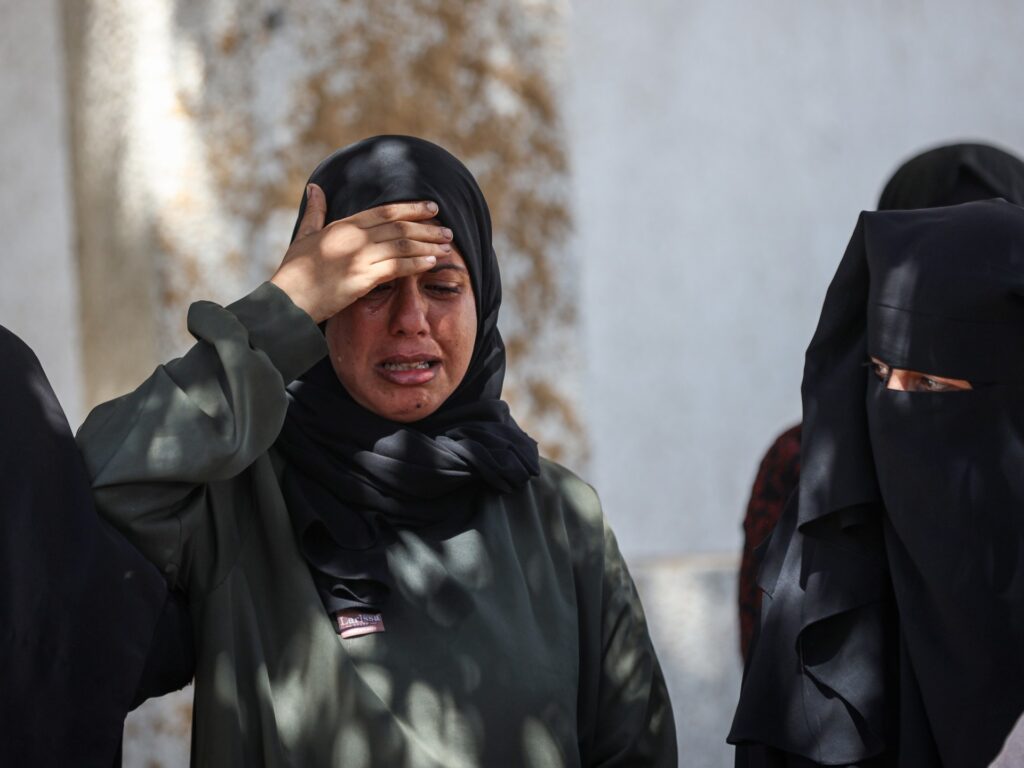
In Gaza City, the ongoing conflict has left a devastating impact on the region’s infrastructure, turning once-inhabitable buildings into deadly traps for residents. Recently, a war-damaged building collapsed, killing at least 21 Palestinians and starkly highlighting the peril faced by many living in ruined structures. This tragic event has drawn attention to the harsh reality for the people of Gaza, many of whom find themselves with nowhere else to go amid the destruction.
The Gaza Strip has endured significant damage from continuous conflict, leading to countless buildings being partially or heavily damaged. Residents, pressured by limited space and resources, often seek shelter in these compromised structures, unaware of or unable to avoid the risks involved. The collapsed building, which was already weakened by previous bombings and shelling, gave way under its own instability, resulting in a catastrophic loss of life.
Local authorities and humanitarian organizations have expressed deep concern over the dangers posed by unsafe ruins. The incident underscores a critical aspect of the ongoing humanitarian crisis in Gaza: the lack of safe housing for thousands displaced by warfare. With the destruction of residential and public buildings widespread, safe refuge is becoming increasingly scarce.
Emergency responders face immense challenges in addressing such collapses amid ongoing hostilities. Rescue operations are complicated by continued conflict and restricted access to affected areas. Survivors often have to wait for prolonged periods before receiving medical aid, further exacerbating the tragedy.
The broader impact of these building collapses is equally alarming. Families lose not only their homes but also their means of livelihood and community support networks. The psychological toll on survivors and witnesses is profound, as fear and uncertainty permeate daily life.
International groups have called for urgent measures to prevent further loss of life. Efforts to stabilize or demolish unsafe buildings are complicated by political and logistical challenges. Nevertheless, many stress the essential need to prioritize civilian safety and implement protective measures despite ongoing conflict.
This recent collapse in Gaza serves as a grim reminder of the multifaceted consequences of war. Beyond immediate casualties from hostilities, secondary effects such as infrastructure collapse cause ongoing suffering and fatalities. The situation calls for increased attention and humanitarian support to address the needs of those trapped in unsafe environments.
As the conflict persists, stories like this highlight the desperate conditions that many Palestinians face—structures that once provided shelter now threaten lives. Finding ways to safely evacuate and support affected populations remains a vital part of the response to the crisis in Gaza.