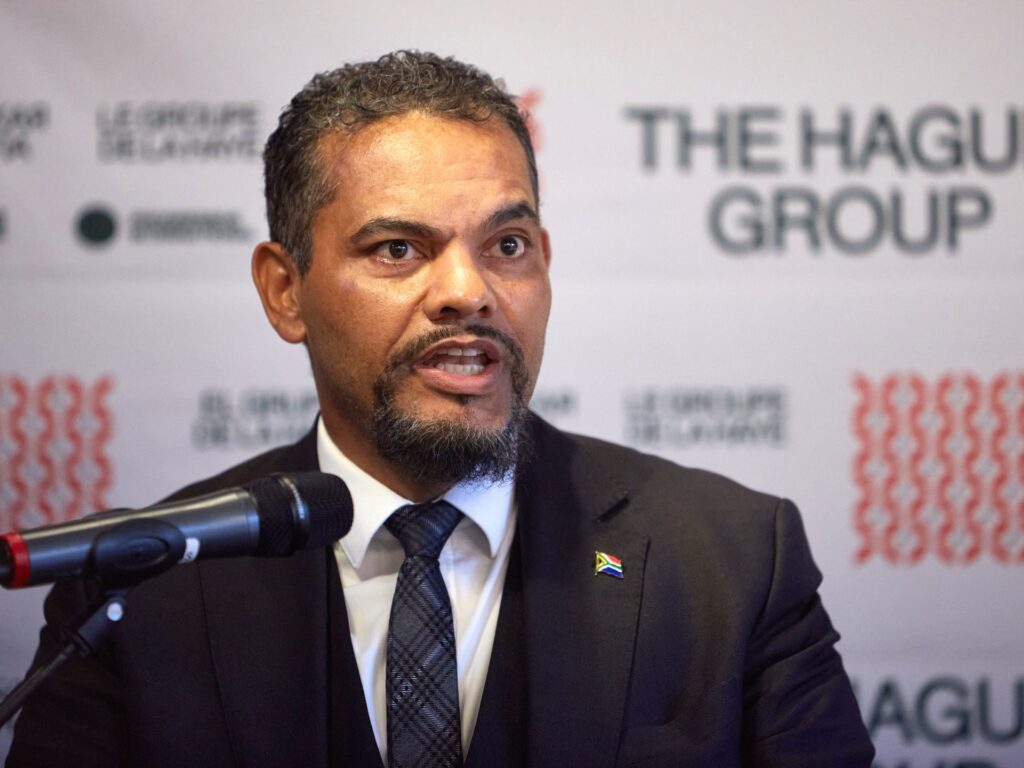
South Africa has strongly criticized the United States’ proposed sanctions that allege racial discrimination against white Afrikaners. The Trump administration’s move has been described by South African officials as a response influenced by misinformation spread by fringe groups. These groups claim that white Afrikaners face systemic racial discrimination within South Africa, prompting the US to consider punitive measures. The South African government contends that such allegations are based on a distorted understanding of the country’s socio-political landscape and do not reflect the reality on the ground. They argue that the US sanctions would be unjust and potentially damaging to bilateral relations between the two countries.
South Africa, a nation still grappling with the legacies of apartheid, emphasizes ongoing efforts toward social cohesion and equal rights for all citizens. The government asserts its commitment to combating any form of discrimination and promoting reconciliation among its diverse population. Officials maintain that the narrative pushed by certain fringe groups seeking to portray Afrikaners as victims of racial injustice is misleading and does not align with the broader context of the country’s transformation.
Critics of the US decision note that the sanctions could exacerbate tensions and undermine progress made in South Africa’s post-apartheid era. They call for a more nuanced and informed approach to addressing issues of race and inequality rather than resorting to sanctions based on unverified claims. The controversy underscores the complexities involved in international responses to internal social dynamics and highlights the importance of dialogue and accurate information.
The US administration’s stance has sparked a broader debate on how foreign governments should engage with South Africa’s unique history and current challenges. Many analysts view the situation as a cautionary tale about the risks of foreign policy decisions influenced by selective and biased narratives. South Africa continues to advocate for partnerships based on mutual respect and understanding, rejecting actions that it perceives as punitive or unfair.
In conclusion, South Africa’s denunciation of the planned US sanctions reflects deep concerns over the portrayal of racial issues within its borders and the influence of misinformation in shaping international policy. The ongoing discourse calls for greater engagement, education, and cooperation to address the root causes of inequality and to foster reconciliation.