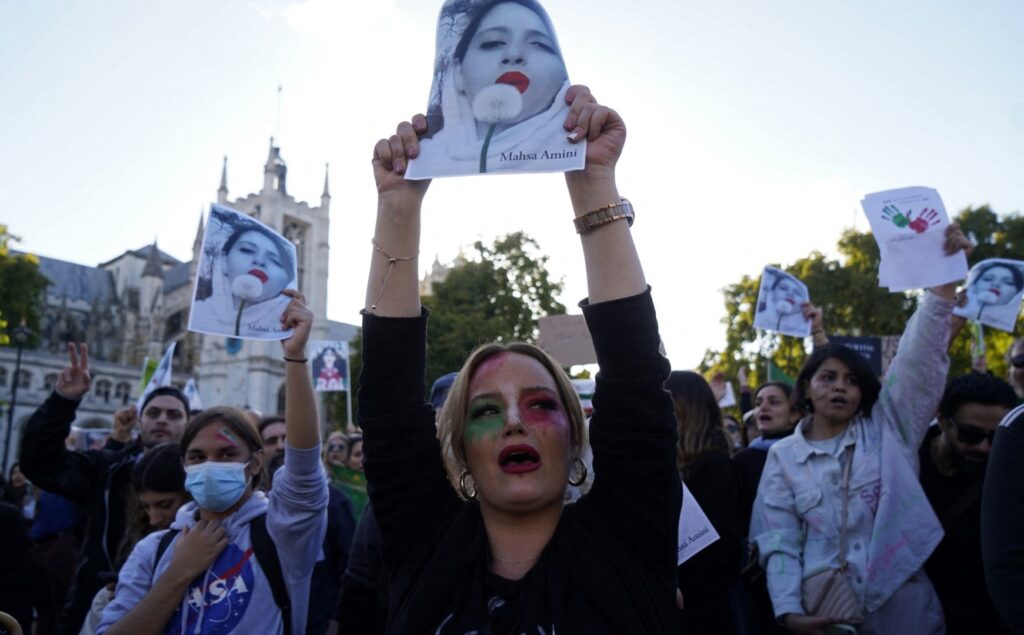
Four years after the tragic death of Mahsa Amini, her name continues to resonate powerfully across Iran and around the world. Amini, whose death in 2019 sparked widespread protests, has become a symbol of resilience and the fight for women’s rights and freedom in Iran. The movement that her passing ignited is encapsulated in the powerful slogan “Woman, Life, Freedom,” which Iranian citizens and activists have embraced as a rallying cry for justice and reform.
Mahsa Amini’s death triggered one of the largest waves of protests in recent Iranian history. These protests highlighted issues of women’s rights, government repression, and broader demands for democratic freedoms. Despite the passage of time, the core demands of these protests remain relevant and continue to inspire many Iranians, from young activists to everyday citizens.
The Iranian government’s response to these protests was marked by severe repression. According to Amnesty International, the authorities committed crimes against humanity during the 2022-2023 protests. These actions included unlawful killings, arbitrary detentions, and torture, which have left an indelible scar on the nation. The international community has condemned these violations and urged for accountability and respect for human rights within Iran.
Amnesty International’s reports detail the brutal crackdown on demonstrators and the systematic violation of basic freedoms. Despite this, the spirit of the movement has not been extinguished. Many Iranians continue to honor Mahsa Amini’s legacy by advocating for gender equality, freedom of expression, and human dignity.
Garnering international solidarity, the slogan “Woman, Life, Freedom” has transcended Iran’s borders, becoming a global emblem for women’s rights and human rights struggles worldwide. Demonstrations in solidarity with Iranian protesters have taken place in multiple countries, drawing attention to the ongoing plight of Iranians living under oppressive conditions.
The passage of four years since Mahsa Amini’s death marks a moment of reflection for Iranians. It is a reminder of the sacrifices made by many in pursuit of justice and a call to continue advocating for meaningful change. The ongoing movement has also sparked in-depth discourse about the role of women in Iranian society and the need for systemic reform.
Experts and analysts note that while the Iranian regime has managed to maintain a tight grip on political power, the underlying social unrest fueled by Mahsa Amini’s death reveals a deep yearning for freedom and equality among the people. This dynamic presents ongoing challenges for the Iranian government as it contends with both internal dissent and external pressures for reform.
As calls for accountability and justice grow, the memory of Mahsa Amini remains a powerful testament to the courage and determination of Iranian women and their allies. Her story continues to inspire new generations in Iran and beyond, emphasizing the universal desire for human rights and dignity.
In conclusion, four years after Mahsa Amini’s death, her legacy is far from forgotten. “Woman, Life, Freedom” remains a beacon of hope and a rallying cry that channels the aspirations of countless Iranians striving for a just and equitable society. The ongoing struggle highlights the need for continued international attention and support to ensure that the rights of the Iranian people are respected and their voices heard.