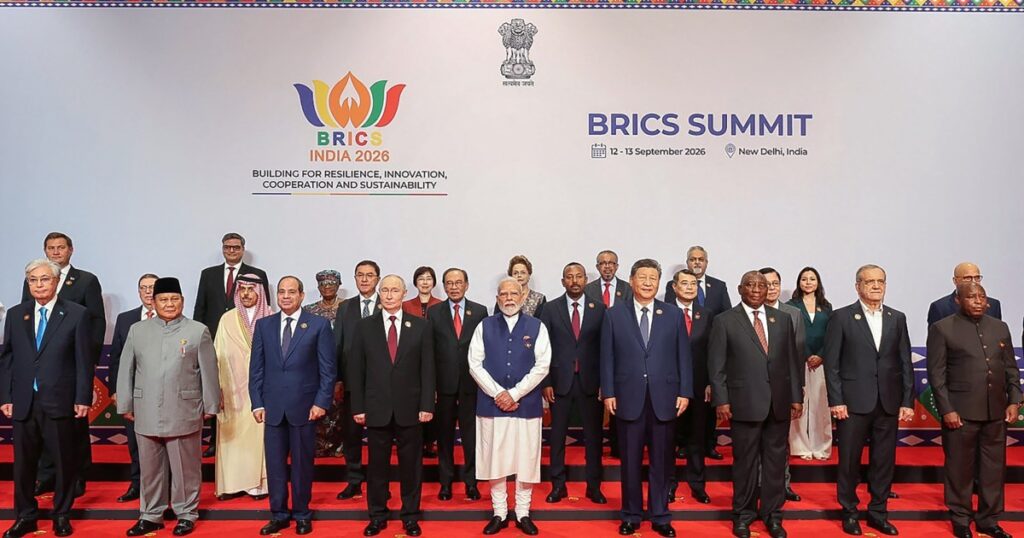
BRICS Pay is an innovative and decentralized digital payment system introduced by the BRICS nations—Brazil, Russia, India, China, and South Africa. It is designed to facilitate international payments using currencies other than the US dollar, aiming to reduce dependency on the Western-dominated SWIFT payment system.
The System and Its Vision:
BRICS Pay intends to create a seamless and efficient platform that can process cross-border transactions among BRICS countries using their local currencies. By bypassing the US dollar, it addresses concerns over currency dominance and geopolitical risks associated with sanctions and trade restrictions.
How BRICS Pay Works:
Unlike the centralized SWIFT network, BRICS Pay leverages decentralized technologies to enable peer-to-peer transactions between financial institutions. This reduces intermediaries, transaction costs, and time delays.
Benefits Over SWIFT:
1. Currency Diversification: BRICS Pay supports payments in rubles, rupees, yuan, real, rand, and other local currencies, enhancing financial sovereignty.
2. Reduced Costs: Decentralization and direct settlement mechanisms lower transaction fees and processing times.
3. Enhanced Security and Privacy: Distributed ledger technology enhances transparency, traceability, and fraud resistance.
4. Political and Economic Independence: BRICS Pay offers an alternative for countries wary of Western financial control.
Challenges and Limitations:
1. Adoption Barrier: Convincing global institutions to adopt BRICS Pay may take time.
2. Interoperability: Aligning financial rules and regulations across diverse economies is complex.
3. Scale and Reach: SWIFT has an extensive network; BRICS Pay needs to expand its global footprint.
Can BRICS Pay Rival SWIFT?
While BRICS Pay is a promising initiative promoting multipolar financial infrastructure, it currently complements rather than replaces SWIFT. Its success depends on increasing adoption within BRICS and beyond, regulatory cooperation, and technological advancements.
Geopolitical Implications:
BRICS Pay reflects a broader trend of de-dollarization and strives to rebalance economic power in global finance. It may encourage other economies to seek alternatives, potentially transforming international payment landscapes.
In summary, BRICS Pay is a strategic move by emerging economies to assert financial independence and foster economic integration. Whether it can rival the entrenched SWIFT system remains to be seen, but it undoubtedly presents an important challenge and alternative in global payments.