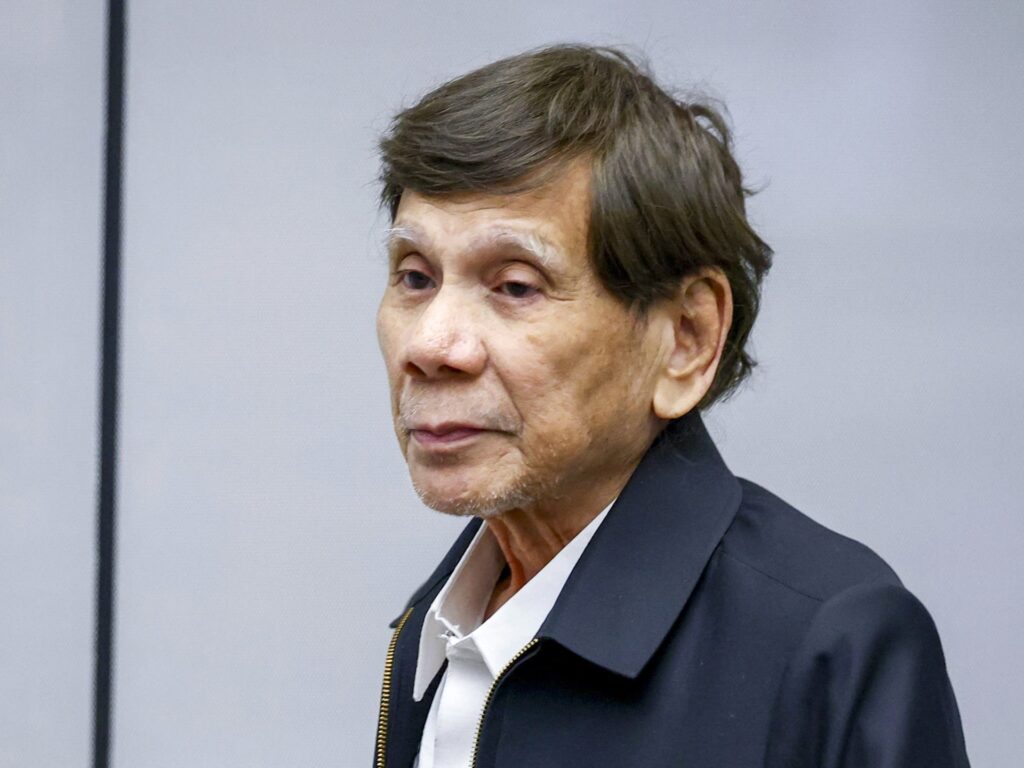
Former Philippine President Rodrigo Duterte has appeared in person at the International Criminal Court (ICC) for the first time in relation to the ongoing investigation and trial concerning alleged extrajudicial killings tied to his administration’s ‘war on drugs’. This unprecedented appearance marks a significant moment in international justice and accountability for state-led actions.
The trial, which begins on November 30, centers on accusations that Duterte orchestrated death squads responsible for thousands of killings during his tenure. Human rights organizations and international bodies have condemned the campaign for its alleged widespread human rights abuses, claiming that the operations often bypassed legal processes, leading to unlawful deaths.
Duterte’s government has maintained that the campaign was a legitimate effort to combat rampant drug-related crime and violence, asserting that law enforcement actions were necessary and within the bounds of the law. Nevertheless, families of victims, activists, and global leaders argue that the scale and nature of the killings suggest systematic violations of human rights.
The ICC’s involvement followed a preliminary examination that concluded there is sufficient basis to proceed with a full trial. The court’s prosecutor has pushed forward with charges of crimes against humanity, alleging that the killings were widespread or systematic and that the Philippine state played a central role.
This trial is historic because it represents one of the few times a former head of state is directly held accountable before an international legal tribunal for domestic policies perceived to have caused mass atrocities. Duterte’s personal attendance underscores the gravity of the proceedings and the international community’s determination to address these serious allegations.
Throughout the process, Duterte has been a controversial figure, both revered and reviled in the Philippines and abroad. Supporters view him as a strong leader who tried to restore order and security, while critics accuse him of fostering a culture of violence and impunity.
The trial also raises broader questions about sovereignty, the limits of international law, and the rights of victims seeking justice on a global stage. Observers will closely monitor the proceedings for their implications on future prosecutions of political leaders accused of similar actions worldwide.
As the ICC trial progresses, it will be pivotal in setting precedents for accountability, justice, and human rights enforcement, potentially shaping international norms regarding state conduct and transitional justice.
In summary, Rodrigo Duterte’s first in-person appearance at the ICC marks a crucial phase in addressing the contentious and polarizing legacy of his ‘war on drugs’. The trial beginning November 30 promises to bring significant scrutiny to past actions, offering a measure of legal reckoning for victims and signaling the international community’s commitment to upholding human rights globally.