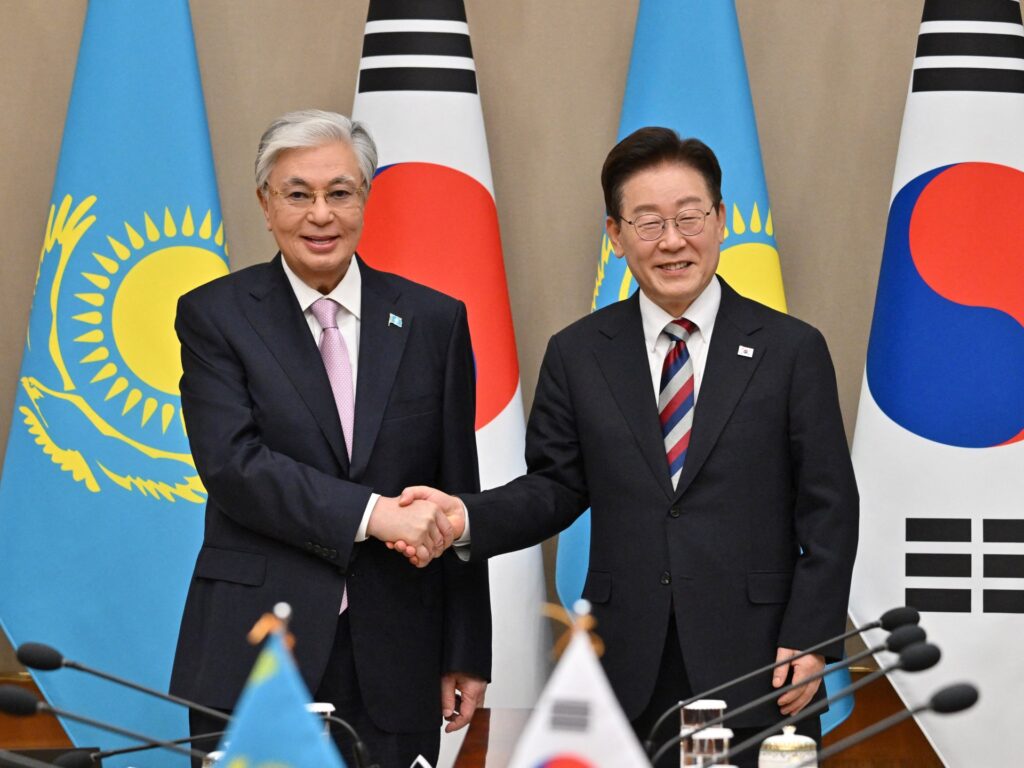
South Korea is taking a strategic step to enhance its regional influence by hosting its first-ever presidential meeting with five Central Asian nations. These countries, known for their traditional alliances with Russia, are coming together to engage with Seoul, signaling a potential shift in diplomatic dynamics.
The meeting marks a significant milestone in South Korea’s diplomatic efforts to strengthen ties beyond its immediate neighbors and traditional partners. Central Asian states—Kazakhstan, Kyrgyzstan, Tajikistan, Turkmenistan, and Uzbekistan—are pivotal players in Eurasian geopolitics, rich in natural resources and strategically positioned along key trade routes.
By inviting these leaders to Seoul, South Korea aims to position itself as a constructive partner to the bloc, fostering cooperation on economic, political, and security issues. This move also reflects Seoul’s growing ambition to expand its influence and partnerships amid shifting global power structures.
Central Asia’s longstanding relationship with Russia adds a complex layer to this engagement. Traditionally, these states have leaned heavily on Russian political support and security guarantees. However, their willingness to participate in this meeting with South Korea indicates an openness to diversify their international relationships.
Economic collaboration is expected to be a cornerstone of the discussions. South Korea, with its advanced technology and investment capacity, is keen to explore opportunities for infrastructure development, energy projects, and technological exchanges with Central Asian nations. These initiatives could help stimulate development in the resource-rich region while opening new markets for South Korean enterprises.
Security cooperation is another critical area of interest. The stability of Central Asia is crucial for broader regional security, important to South Korea both directly and through its partnerships with other countries. The meeting could pave the way for joint efforts in combating terrorism, drug trafficking, and other transnational threats.
The summit also serves as a platform for cultural exchange and mutual understanding, fostering people-to-people connections that underpin long-term diplomatic relations.
South Korea’s outreach to these Central Asian leaders reflects a broader regional strategy that acknowledges the importance of Eurasian geopolitics and the interconnectedness of global security and economic networks. It demonstrates Seoul’s intent to engage with a wider array of partners, balancing relationships with traditional allies and emerging powers.
This diplomatic event is likely to attract attention from major global players, including Russia, China, and the United States, each with vested interests in Central Asia. How these nations respond could influence the region’s future alignment and cooperation.
In conclusion, South Korea’s hosting of this presidential meeting with Central Asian states signifies a proactive approach to expanding its regional clout. By engaging with a bloc historically aligned with Russia, Seoul is crafting new pathways for collaboration, economic growth, and security partnerships in a geopolitically significant region.