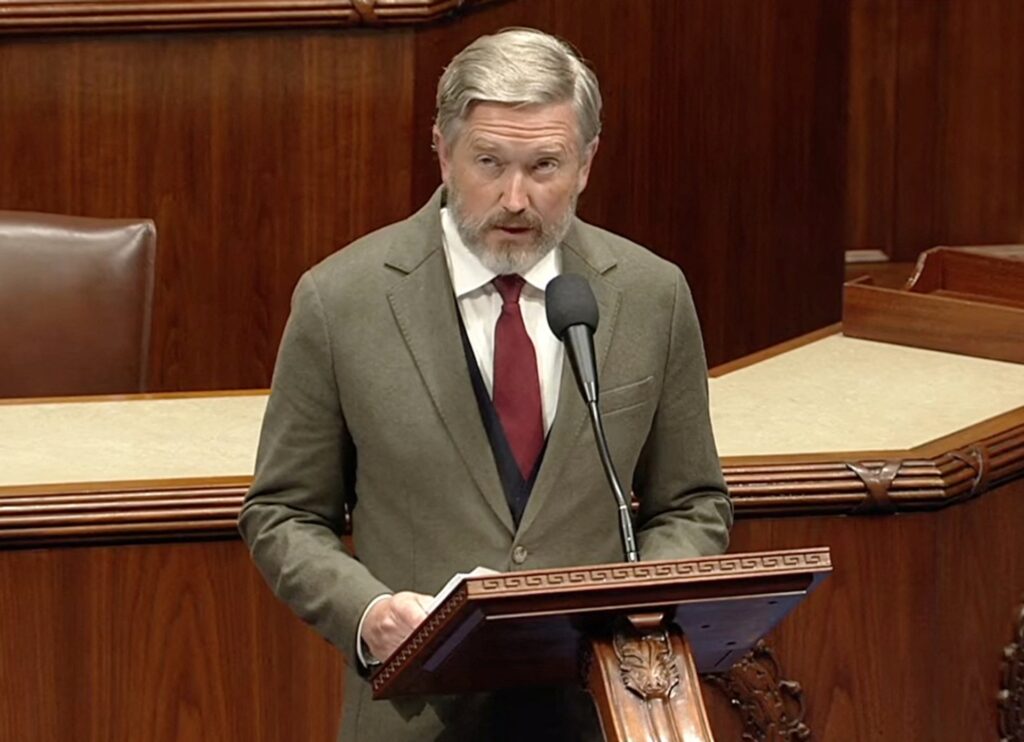
In a striking political move, GOP Representative Thomas Massie has publicly called for the impeachment of US Defense Secretary Pete Hegseth. Known for his staunch criticism of prolonged overseas military interventions and the US’s approach toward Iran, Massie’s demand highlights growing dissent within Republican ranks regarding America’s defense policies.
Thomas Massie, a Republican congressman representing Kentucky, has become an outspoken critic of what he perceives as unnecessary wars and military entanglements overseas. His recent focus has centered on the Trump administration’s strategies in the Middle East, particularly the tense relations with Iran that have escalated fears of broader conflict.
Massie’s call for impeachment stems from his belief that Secretary Hegseth’s management of the Defense Department and his stance on military actions abroad have been detrimental to American interests and global stability. According to Massie, Hegseth has supported policies that entangle the US in endless conflicts, draining resources and putting American lives at undue risk.
The congressman’s remarks have sparked debate, reflecting a larger national discussion about the future direction of US foreign policy. While some lawmakers advocate for a hardline defense strategy, others, like Massie, champion a more restrained approach, emphasizing diplomacy and caution in unleashing military force.
Massie’s criticism also underscores a faction within the GOP that is increasingly skeptical of traditional defense spending and interventionist strategies, calling into question the wisdom and morality of continued engagement in places like Syria, Iraq, and Iran.
Pete Hegseth, a former military officer and Fox News commentator, was appointed as Defense Secretary with the expectation of aligning with the administration’s robust defense posture. However, Massie’s impeachment call paints a picture of internal conflict and dissatisfaction with his leadership.
This development comes amidst wider conversations about US military presence globally and the budget allocations that support these initiatives. Critics argue these expenditures could be better used addressing domestic challenges, while proponents see them as essential to maintaining American security and influence.
As debates continue, the push by Massie for impeachment could signal a turning point or at least ignite further scrutiny on the Department of Defense’s policies. It remains to be seen how much support Massie’s position will gain within Congress and among the American public.
The impeachment call adds another layer to the growing national discourse on how the US should conduct itself on the global stage, weighing the trade-offs between military power and diplomatic engagement. For now, Thomas Massie stands out as a prominent voice calling for accountability and reevaluation of the current military leadership’s role in shaping US defense and foreign policy.