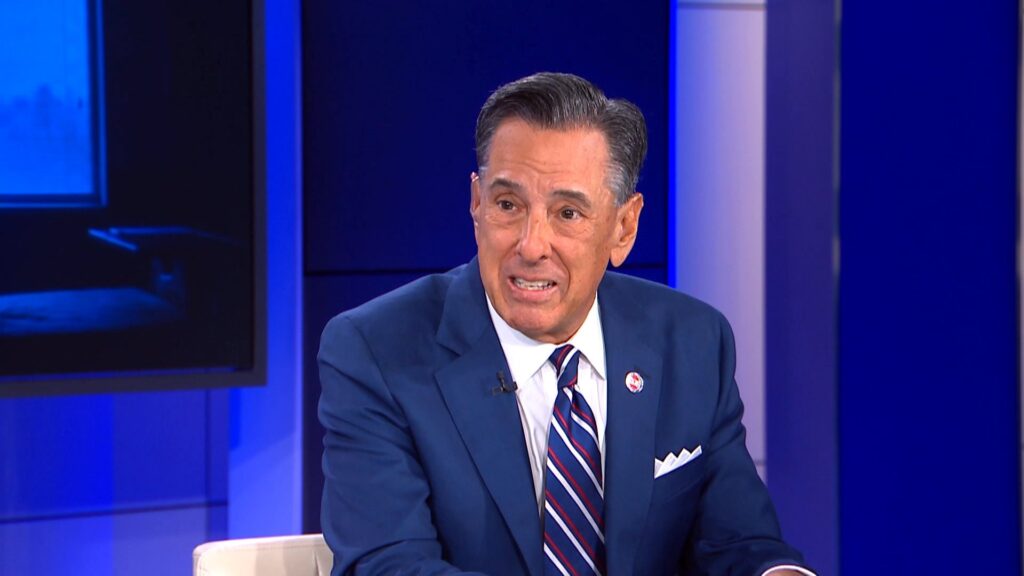
Cancer remains one of the most formidable health challenges globally, and the United States stands at the forefront of research and treatment development. However, the question arises: even if a cure for cancer were discovered, would the US healthcare system be capable of effectively treating all cancer patients? Ted Okon, speaking to Al Jazeera, highlights a critical perspective that delves into systemic issues within the US health care infrastructure that may impede access to treatment for all those affected.
The US health care system, often praised for its advanced medical technology and cutting-edge research, faces significant challenges. High costs, insurance disparities, and uneven access contribute to a fragmented health care environment. Okon stresses that these systemic flaws mean that a breakthrough in cancer cure may not translate to universal treatment availability.
One major issue is the affordability of health care. Even with a cure, treatments could be prohibitively expensive for many individuals, particularly those uninsured or underinsured. The complexity of health insurance coverage and the presence of substantial out-of-pocket expenses exacerbate the problem. Without reforms aimed at reducing costs and expanding coverage, many would remain unable to access necessary care.
Moreover, geographical disparities also play a critical role. Rural and underserved regions often lack adequate medical facilities and specialists capable of delivering advanced cancer care. This uneven distribution means that access to a cure would still be highly inequitable across different populations.
Healthcare workforce shortages present another hurdle. There is a growing need for oncology specialists, nurses, and support staff to meet the demands of cancer treatment. Even with a cure, the shortage of qualified personnel could limit the system’s capacity to provide timely and effective care to all patients.
Additionally, the US health care system is burdened by administrative complexities and inefficiencies. These factors can delay treatment initiation and reduce the overall quality of care. Streamlining administrative processes is essential to ensure that innovations in cancer treatment are rapidly and broadly implemented.
Ted Okon’s insights underscore a pressing concern: curing cancer is not solely a scientific or medical challenge but also a societal and systemic one. Policy reforms aimed at universal coverage, cost control, workforce expansion, and infrastructure development are crucial to translate medical breakthroughs into widespread health benefits.
In conclusion, while scientific advances bring hope for curing cancer, the US health care system’s current structural weaknesses pose significant obstacles. Addressing these challenges is imperative to ensure that every person diagnosed with cancer can truly benefit from future cures and advances in treatment. The fight against cancer, therefore, extends beyond the lab and into the realm of health policy and equitable care delivery.