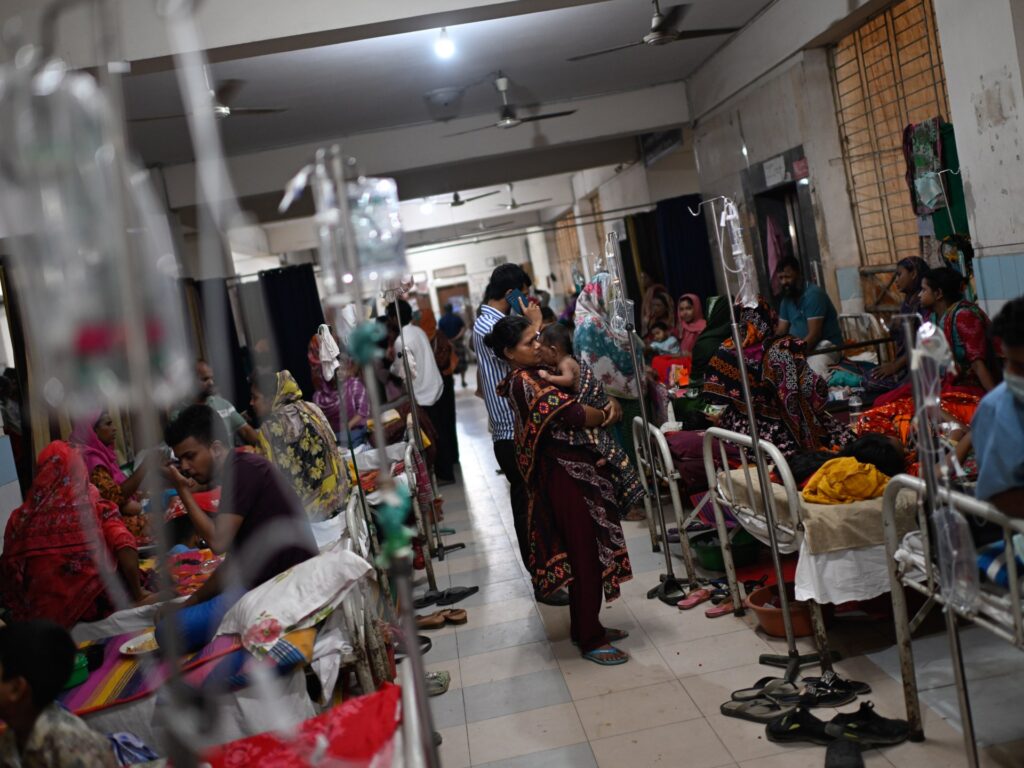
Bangladesh is currently facing a severe measles epidemic that has tragically resulted in the deaths of over 1,000 people in the past six months. This alarming death toll has occurred despite the country administering a record 20 million measles vaccine doses this year. The situation raises questions about why the vaccination campaign has not been able to control the outbreak effectively.
One primary challenge is the timing and coverage of the vaccination campaign. While 20 million vaccines have been distributed, gaps remain in reaching the most vulnerable populations, particularly in remote or underserved areas where healthcare infrastructure is limited. Incomplete vaccination coverage leaves pockets of populations susceptible to infection.
Moreover, the measles virus is highly contagious, spreading rapidly through respiratory droplets among unvaccinated individuals. Any delay in administering the vaccine or failure to deliver the second dose needed for full immunity can lead to outbreaks.
Another contributing factor is the impact of the COVID-19 pandemic, which disrupted routine immunization services worldwide. Many children missed scheduled vaccinations during lockdowns and healthcare system strains, resulting in an immunity gap that facilitates outbreaks.
Additionally, malnutrition, which is prevalent in some parts of Bangladesh, compromises children’s immune systems, making them more vulnerable to severe measles infection and complications. Poor sanitation and crowded living conditions further exacerbate the spread of the virus.
Healthcare access challenges, including shortages of trained personnel and vaccine supply chain issues, also hinder effective vaccination programs and outbreak response.
Public awareness and misinformation about vaccines play a role. Vaccine hesitancy or delayed acceptance can reduce uptake rates, undermining herd immunity.
To combat the epidemic, Bangladesh is intensifying efforts to ensure high vaccination coverage by conducting door-to-door campaigns, strengthening healthcare infrastructure, and improving vaccine supply chains. Public health authorities are also working to raise awareness about the importance of timely vaccination and addressing malnutrition.
International support and collaboration with organizations such as WHO and UNICEF have bolstered Bangladesh’s capacity to respond, but sustained efforts are necessary to control the epidemic.
In summary, the measles epidemic in Bangladesh persists despite record vaccination efforts due to challenges including incomplete coverage, pandemic-related disruptions, malnutrition, healthcare access issues, and social factors. Addressing these comprehensively is vital to protecting children and ending the outbreak.