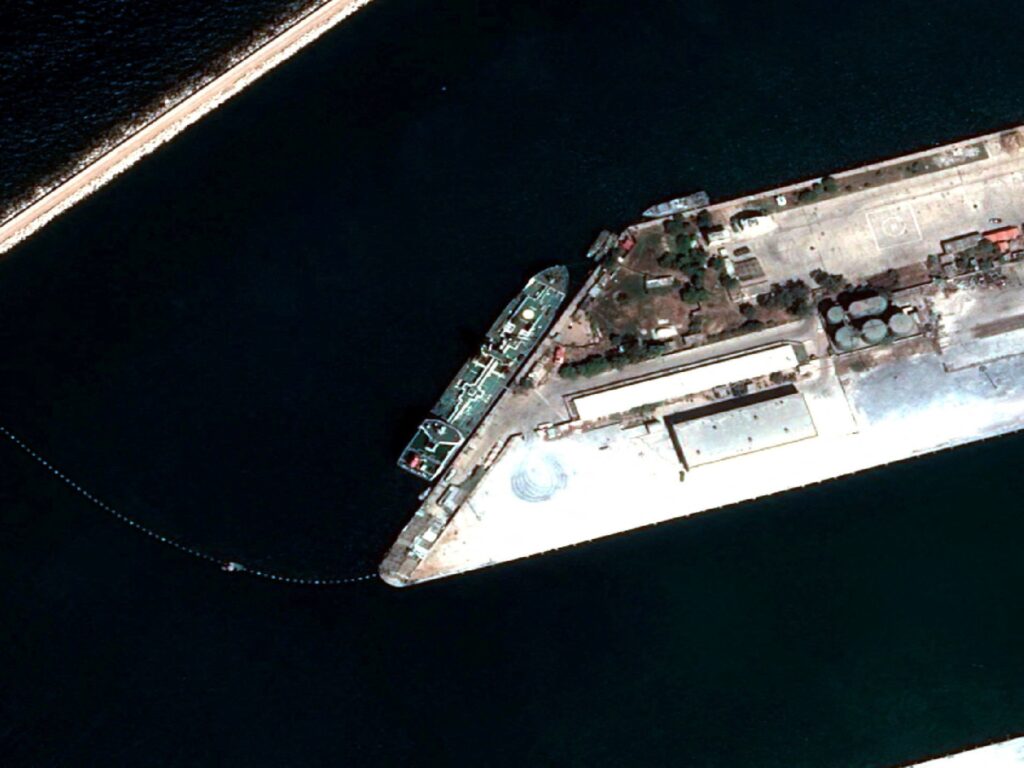
In a significant development, Russia has resupplied its military bases in Syria for the first time under a newly established agreement with Damascus. This marks a crucial step for Moscow as it continues to maintain and strengthen its military presence in the Mediterranean region.
The recent resupply operation comes after months of negotiations between Russia and the Syrian government, culminating in a deal that allows for more sustainable logistical support for Russian forces stationed in Syria. This agreement not only ensures the steady flow of military supplies and equipment but also solidifies Russia’s strategic foothold in the region.
Russia’s military bases in Syria are of high strategic importance as they provide Moscow with a critical naval and air presence in the Mediterranean basin. These bases enable Russia to project power across the Middle East and beyond, offering a logistical advantage in any potential conflict or peacekeeping operations.
The resupply missions include provisions of arms, ammunition, food, and other military essentials necessary to maintain the operational readiness of Russian forces. This move is perceived as an effort by Russia to bolster the Syrian government, which has been engaged in a prolonged civil conflict.
Moscow’s continued presence in Syria also signals its intent to remain a dominant force in Middle Eastern geopolitics. The Mediterranean, being a vital sea route for trade and military strategy, holds substantial importance for Russian naval and geopolitical interests.
The new deal signifies a shift in the dynamics of Russia’s military engagement in Syria, moving from ad hoc resupply missions to a more structured and recognized logistical support framework. Analysts say this could lead to increased military activity and possibly expanded operations in the region.
This arrangement follows previous partnerships but is unique in its formal acknowledgement by the Syrian government, which views Russian support as vital to its security and sovereignty.
International reactions have been mixed, with some Western countries expressing concern over Russia’s growing military influence in the Mediterranean and its implications for regional security and balance of power.
In summary, Russia’s first resupply of its Syrian bases under the new deal illustrates a deepening military collaboration with Damascus, underscoring Moscow’s long-term strategic ambitions in the Mediterranean and the wider Middle East. This development is likely to impact the geopolitical landscape significantly, shaping the future of military alliances and power structures in the region.