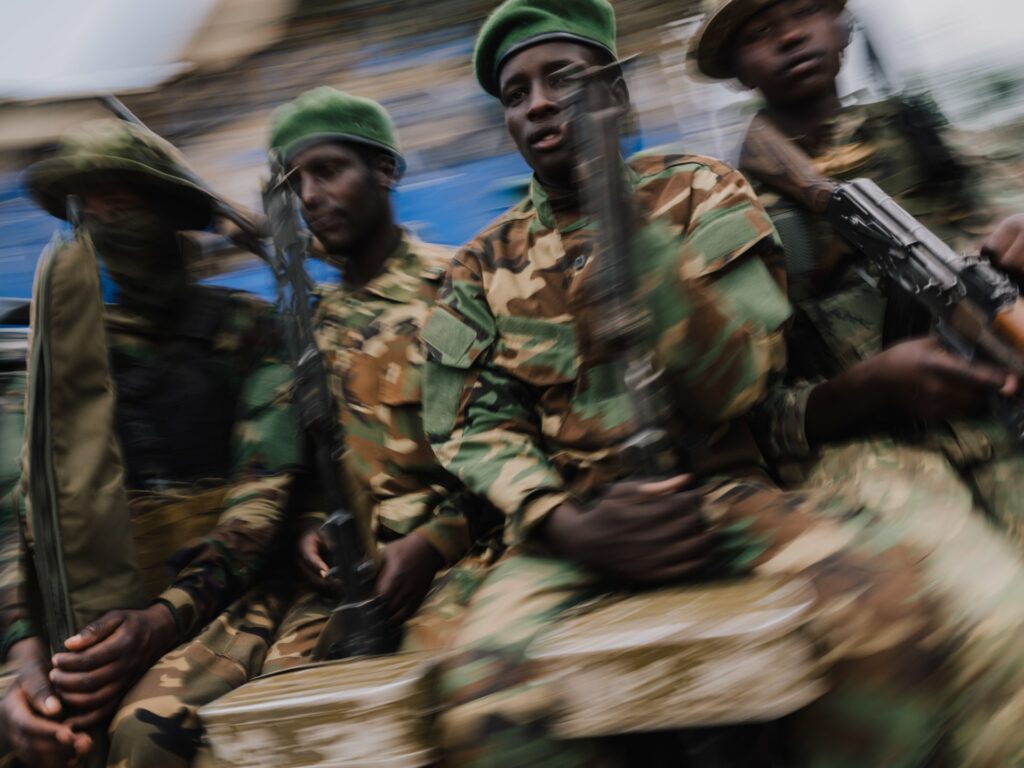
The ongoing Geneva talks have become a critical juncture for the peace deal between Rwanda and the Democratic Republic of Congo (DRC), testing the viability and commitment of both parties toward sustained peace in the region. These diplomatic discussions come against the backdrop of continuous fighting and a series of disputes that threaten to unravel key security commitments previously agreed upon.
Since the agreement was signed, tensions in the region have not entirely abated. Clashes have persisted, with armed groups continuing to operate in border areas, causing civilian casualties and displacement. The Geneva talks aim to address these challenges head-on by fostering dialogue on how to implement and monitor security measures more effectively.
Key security commitments part of the peace deal include disarmament of armed groups, joint border patrols, and mechanisms for sharing intelligence to prevent future outbreaks of violence. However, accusations of non-compliance have emerged from both sides, complicating the peace process and fueling mistrust.
Representatives from Rwanda and the DRC, along with international mediators, are working tirelessly in Geneva to bridge the gaps and find mutually acceptable solutions. The talks involve not only government officials but also representatives of civil society tasked with ensuring that peace initiatives reflect the aspirations of those most affected by the conflict.
The international community closely watches these negotiations, recognizing the broader implications of stability in the Great Lakes region for security and development. Donor countries and international organizations have emphasized the need for strengthened diplomatic efforts and increased support for peacebuilding initiatives on the ground.
Underlying issues such as resource exploitation, ethnic tensions, and political instability continue to pose significant challenges. The talks in Geneva, therefore, also focus on long-term strategies for governance reforms and socio-economic development programs that could address root causes of conflict.
Despite the hurdles, there is cautious optimism among participants that the Geneva talks can pave the way for a renewed commitment to peace and reconciliation. Success in these discussions is critical not only for Rwanda and the DRC but also for regional peace in Central and East Africa.
As the discussions progress, it remains clear that implementation, verification, and accountability will be the pillars upon which lasting peace depends. Both countries have expressed their commitment to continue dialogue and work toward resolving differences without resorting to violence.
The Geneva talks represent a significant opportunity to translate diplomatic agreements into tangible peace on the ground. The coming weeks will be crucial in determining whether the peace deal can withstand the current test and lay a foundation for a stable and prosperous future in the region.