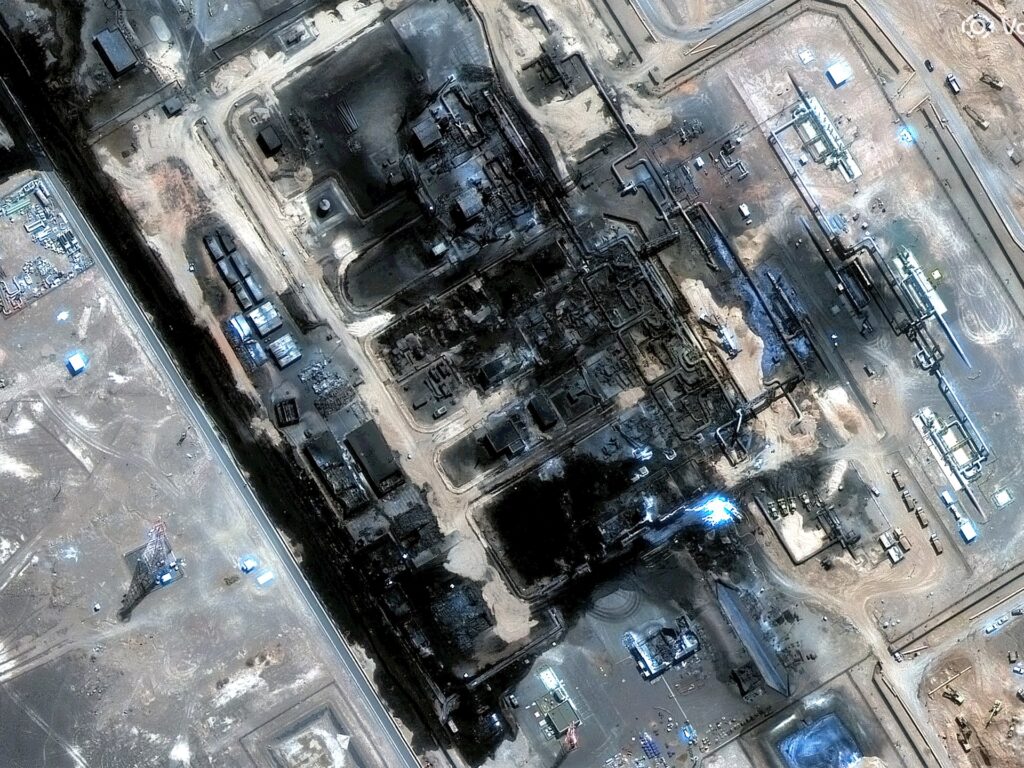
Saudi Arabia’s East-West pipeline, stretching approximately 1,200 kilometers (745 miles), is a critical artery in the global oil supply chain. This massive infrastructure links the oil-rich Eastern Province of Saudi Arabia, primarily the Ghawar field — the world’s largest oil field — to the Red Sea port of Yanbu on the country’s western coast. The strategic significance of this pipeline is underscored by the fact that it transports a substantial portion of Saudi Arabia’s crude oil production from the Persian Gulf to the Red Sea, bypassing the Strait of Hormuz, a famously vulnerable chokepoint that is critical for global oil shipping.
Recently, the pipeline has been temporarily shut down due to security concerns, including attacks and sabotage, which have significant ramifications on the global oil market. The closure affects an estimated 5 percent of the world’s daily oil supply, translating to millions of barrels per day that are temporarily off the market. This disruption highlights how dependent global energy security is on this single piece of infrastructure.
The East-West pipeline enables Saudi Arabia to efficiently export oil to European, Asian, and African markets via the Red Sea, providing a strategic alternative route that reduces transit time and risk. Without this route, shipments must rely heavily on the Strait of Hormuz, which is vulnerable to geopolitical tensions and blockades.
The pipeline’s temporary closure has sent shockwaves through global oil prices, pushing them higher due to fears of prolonged supply shortages. Markets worldwide are closely watching developments as any extended outage could destabilize energy supplies, impacting everything from gasoline prices to industrial production costs.
Saudi Arabia’s ability to quickly repair and secure the East-West pipeline is crucial not only for the kingdom’s economy but also for global markets that rely on its consistent oil exports. This incident also underscores the broader challenges facing energy infrastructure in politically volatile regions and the growing importance of securing critical energy transit routes.
In conclusion, the East-West pipeline is more than just a physical conduit for oil; it is a linchpin in the global energy framework. Its operation ensures a stable supply of oil to numerous countries and acts as a buffer against geopolitical risks that could disrupt the vital energy flow necessary for economic stability worldwide. The pipeline’s temporary closure serves as a potent reminder of the fragility of global oil supply chains and the profound impact that infrastructure vulnerabilities can have on energy security.