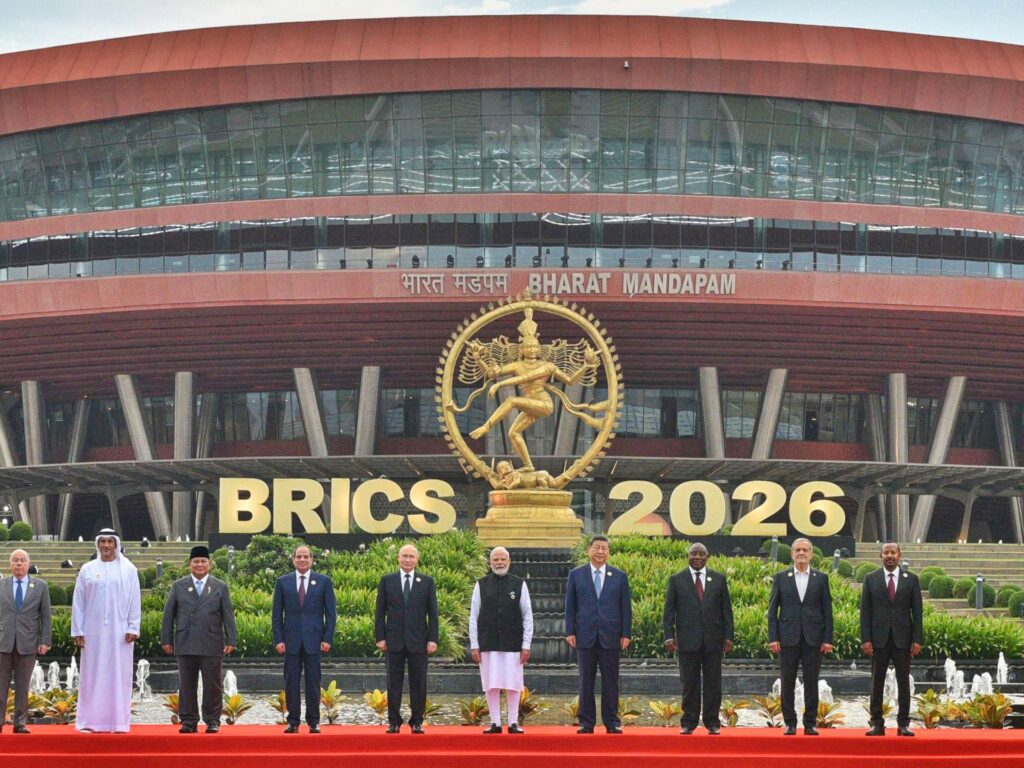
During the recent BRICS summit, the member nations issued a joint declaration that urged all parties involved in the Middle East conflict to exercise restraint. The collective statement emphasized the dire need to avoid escalation and to seek peaceful resolutions to the ongoing tensions. The BRICS countries, which include Brazil, Russia, India, China, and South Africa, have highlighted the critical importance of maintaining global stability amidst the conflict, particularly with respect to the uninterrupted flow of international trade.
The declaration specifically expressed “firm opposition” to the forced displacement of Palestinians by Israel, underscoring the humanitarian concerns tied to the conflict. The BRICS nations called for respect of international law and the protection of civilian lives in the region. The statement reflects a unified stance on human rights and the need for dialogue rather than aggression.
Moreover, the BRICS countries reiterated their commitment to fostering international cooperation to ensure the smooth operation of global supply chains, which can be severely affected by geopolitical instability. They warned that disruptions in the Middle East could have far-reaching consequences for energy supplies, commodity markets, and economic growth worldwide.
The members also touched on the necessity for all stakeholders to avoid actions that could further inflame tensions or provoke wider regional conflict. The call for restraint is rooted in the desire to create an environment conducive to negotiations and peace-building efforts.
In their joint address, the BRICS nations expressed solidarity with the victims of violence and called for urgent humanitarian assistance to those affected by the crisis. They stressed that the international community must work collaboratively to alleviate suffering and facilitate peaceful solutions.
This joint declaration by BRICS comes at a pivotal time when the Middle East is facing mounting challenges, with significant geopolitical implications that extend beyond the region. By advocating for restraint and opposing forced displacements, BRICS is signaling its influence as a major political and economic bloc in global affairs.
The emphasis on sustaining global trade flows highlights the interconnectedness of modern economies and the risks posed by regional conflicts on international markets. BRICS members, representing emerging and large economies, are positioning themselves as key players advocating for peace, stability, and economic resilience.
The statement calls on all parties involved in the Middle East conflict to commit to dialogue, refraining from violence, and prioritizing humanitarian aid. It also reflects a shared responsibility among nations to uphold international norms and protect vulnerable populations.
BRICS is expected to continue monitoring the developments in the Middle East closely and work towards supporting diplomatic efforts that aim to resolve the crisis. The bloc’s stance may influence other international actors and contribute to shaping the global diplomatic landscape amid rising tensions.
Overall, the BRICS summit’s joint declaration sends a strong message that the world’s major emerging economies are united in their call for peace, human rights respect, and the protection of global economic stability during these turbulent times.