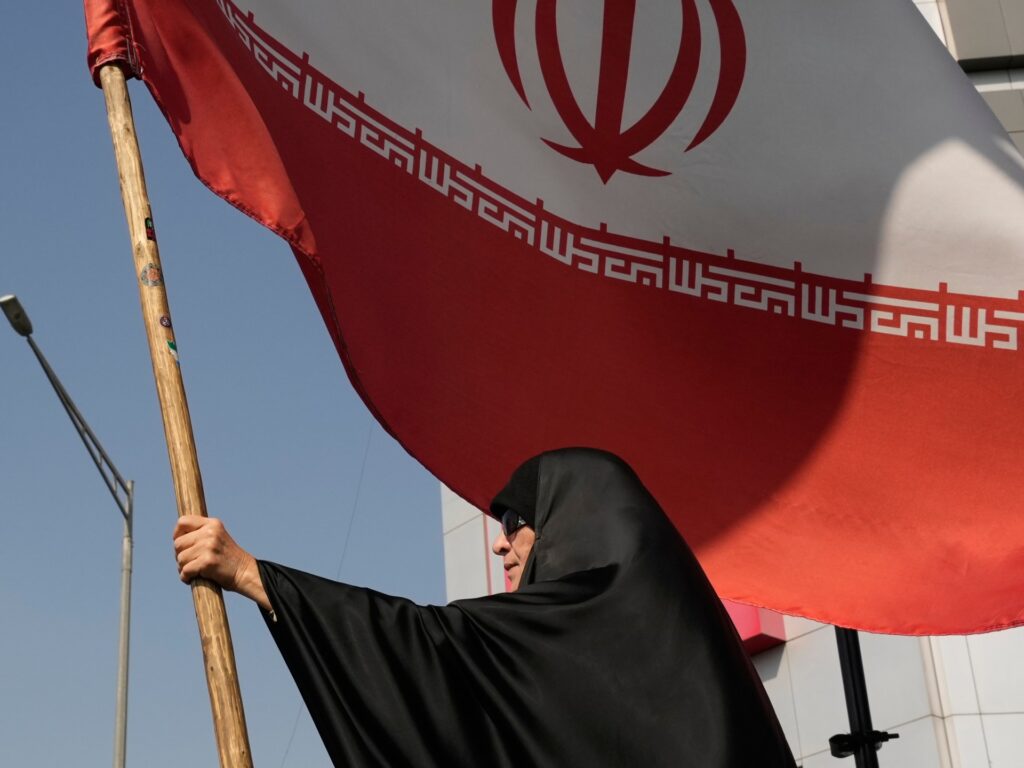
As tensions rise in the ongoing US-Israeli conflict, Tehran stands resolute in maintaining its demands, signaling a complex interplay of strategic calculations and diplomatic posturing. Despite urgent calls for de-escalation from various international actors, Iran’s leadership exhibits little inclination to yield, reflecting a deep-seated distrust of US intentions and a broader geopolitical strategy.
At the heart of Iran’s stance lies a fundamental skepticism towards the US, rooted in decades of contentious relations and economic sanctions that have shaped its foreign policy outlook. This mistrust is compounded by the timing of the upcoming US midterm elections, which Tehran perceives as a critical factor influencing American political will and risk tolerance in the region.
Iran’s leadership appears to be betting on the election cycle to limit President Biden’s ability to fully engage militarily or diplomatically, anticipating a more inward-looking US administration post-midterms. This calculus potentially emboldens Tehran to maintain its position firmly, viewing any perceived retreat or inconsistency in US policy as an opportunity to assert its regional influence.
The strategic significance of the Strait of Hormuz further complicates the scenario. As a vital chokepoint for global oil shipments, control and security of this narrow waterway have long been central to Iran’s regional leverage. Recent rhetoric and maneuvers suggest Tehran is carefully calibrating its posture in the Strait, balancing between demonstrating strength and avoiding outright confrontation that could trigger a broader conflict.
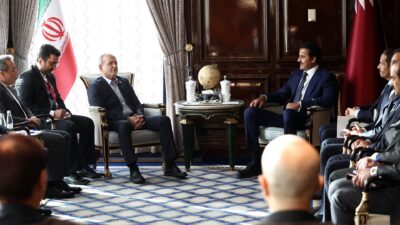
Diplomatic efforts to de-escalate tensions are underway but face significant obstacles. Washington and its allies are pressing for restraint and engagement, aiming to prevent the conflict from spiraling out of control. However, Tehran’s firm demands and the intertwined issues of trust and political timing challenge these diplomatic overtures.
Analysts point to the importance of back-channel communications and multilateral engagement involving regional powers as possible pathways to mitigate risks. Yet, the fragile trust deficit between Iran and the US remains a formidable barrier.
In conclusion, Iran’s calculations amid the looming US escalation reflect a complex blend of mistrust, political timing, and strategic interests centered on the Strait of Hormuz. The unfolding dynamics highlight the delicate balance of power in the Middle East and the precarious prospects for peace amidst deep-rooted suspicions and high-stakes geopolitical maneuvering.