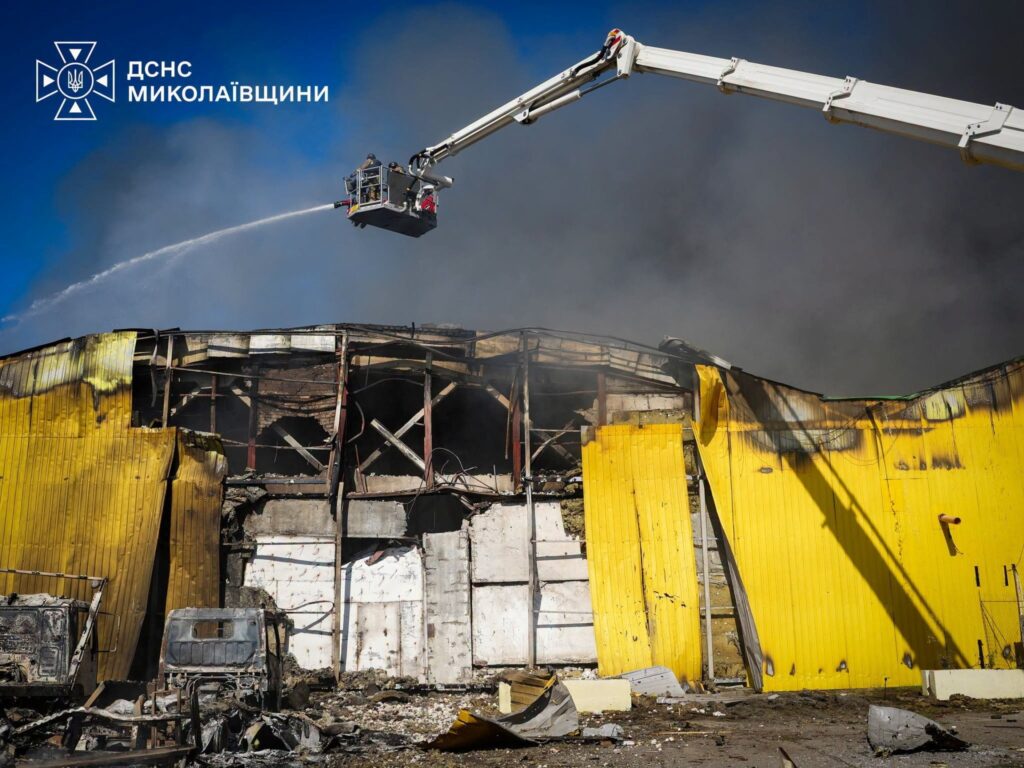
Amid escalating tensions and ongoing conflict, Russian attacks have resulted in the deaths of seven individuals in Ukraine. As violence persists on Ukrainian soil, Kyiv has responded with a strategic military offensive targeting critical infrastructure deep within Russian territory. Ukraine recently launched one of its most profound and daring strikes, focusing on natural gas plants situated in Russia’s Arctic region. This bold move marks a significant escalation in the conflict, as it involves penetrating deep into the Arctic, a region with strategic economic and geopolitical importance due to its natural gas reserves.
The attack on the Russian Arctic gas plants demonstrates Ukraine’s expanding capabilities to project power far beyond its borders. The frozen and remote nature of the region underscores the complexity and risks associated with this operation, highlighting Kyiv’s determination to disrupt Russia’s energy infrastructure. Control over natural gas resources is crucial for both nations, as it influences economic stability and energy security in the region and beyond.
Russian officials have condemned the Ukrainian offensive, describing it as a severe provocation and an escalation of hostilities. They have vowed to respond decisively to safeguard their strategic assets and maintain regional control. In response to the strike, Moscow may strengthen its military presence in the Arctic and increase protective measures around its energy plants.
Meanwhile, the ongoing attacks within Ukraine continue to claim lives and inflict damage on civilian and military targets, exacerbating the humanitarian crisis already unfolding. The death toll from the latest Russian attacks stands at seven, with reports indicating that both military personnel and civilians have been affected. The conflict’s persistence continues to strain international diplomatic efforts aimed at negotiating ceasefires and seeking peaceful resolutions.
Experts note that the conflict’s expansion into the Arctic could have broader implications for international relations and global energy markets. The Arctic’s vast untapped resources have long been a point of contention, and Kyiv targeting installations there signals the strategic importance both sides place on controlling this region.
As winter approaches, the stakes remain high with both sides employing tactics that could escalate the conflict further. The destruction of energy infrastructure threatens not only the immediate region but also global supply chains reliant on gas exports. This multifaceted conflict continues to evolve, underscoring the complex interplay of military, political, and economic factors shaping the current crisis.
International observers call for restraint and renewed dialogue to prevent further loss of life and destabilization of vital energy resources. However, with the recent deep Arctic strike, the conflict appears to be entering a new, more dangerous phase, raising concerns about future developments and their impact on regional and global stability.