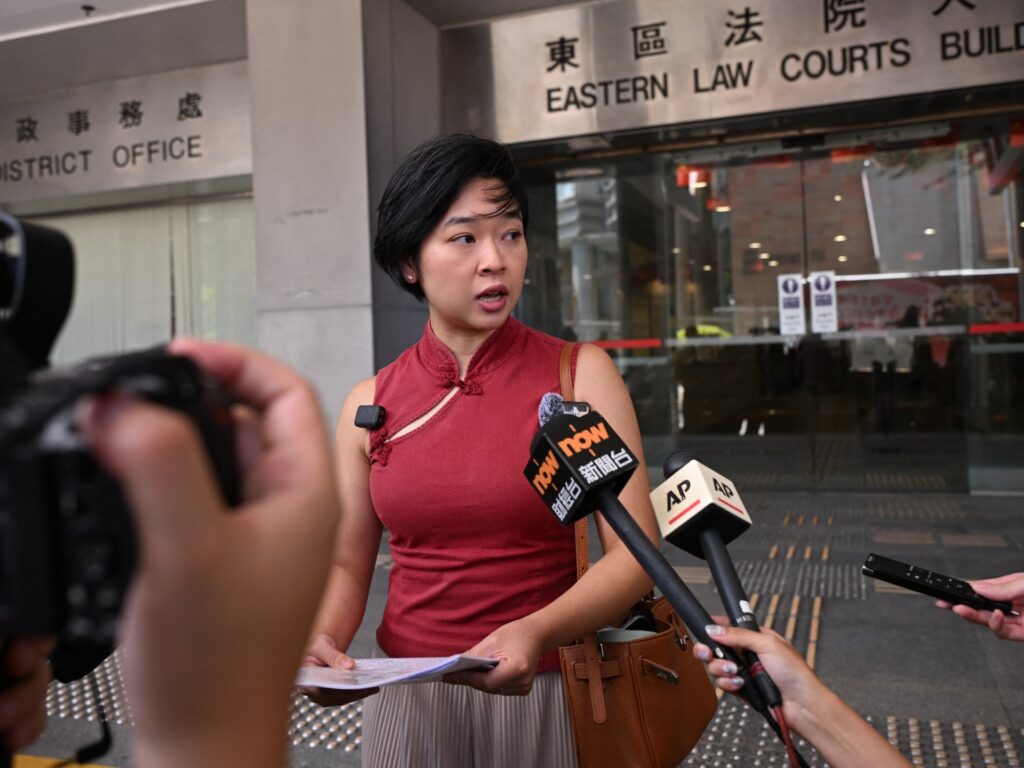
In a significant legal development, a Hong Kong court has ruled in favor of Dow Jones in a case involving the dismissed journalist Selina Cheng. The court found that Dow Jones attempted to prevent Cheng from assuming a leadership role within a journalists’ union but ultimately acquitted the company of wrongful dismissal charges related to this matter.
The case centered around Selina Cheng, a journalist formerly employed by Dow Jones, who was reportedly dismissed after taking on a leadership role within a union representing journalists. Cheng accused Dow Jones of unjust dismissal, claiming the company sought to thwart her union activities, which she asserted were protected rights.
During the court proceedings, evidence was presented to demonstrate that Dow Jones had indeed tried to impede Cheng’s union involvement. However, the company successfully argued that the dismissal decision was based on other legitimate grounds unrelated to her trade union participation.
The court’s verdict acknowledged Dow Jones’ efforts to challenge Cheng’s union role but ultimately found no legal basis to attribute the dismissal to those efforts. Consequently, Dow Jones was acquitted of the dismissal charge.
This ruling holds broader implications for labor rights and employer-employee relations in Hong Kong, particularly concerning the protection of union activities in the media industry. It highlights the delicate balance between corporate governance and employees’ rights to organize and participate in union leadership.
Selina Cheng’s case has drawn attention to the challenges journalists may face when engaging in union activities, especially within large media organizations. The court’s decision may set a precedent for future disputes involving similar circumstances.
While Dow Jones was cleared of dismissal wrongdoing, the court’s recognition of the company’s attempts to hinder union leadership roles sends a cautionary message to employers about respecting employees’ rights to unionize.
The case underscores the evolving landscape of labor laws and the ongoing dialogue between workers’ rights advocates and corporate entities in Hong Kong’s dynamic legal environment.
Industry observers note that the outcome may encourage media workers to be more assertive in their union participation, knowing that legal protections are complex and contested.
Dow Jones, for its part, has indicated compliance with the court’s ruling and reiterated its commitment to fair labor practices while maintaining operational standards.
Selina Cheng has expressed her intention to continue advocating for journalists’ rights despite the legal setback, emphasizing the importance of union leadership in safeguarding media professionals’ interests.
Legal experts believe the case will be studied closely by both employers and employee representatives for insights into navigating employment disputes linked to union activity in Hong Kong.
As the media landscape continues to evolve amid political and social changes, the balance between journalistic independence, employees’ rights, and corporate policies remains a critical issue.
The ruling may prompt organizations to review their policies on employee participation in unions to avoid similar litigation.
Overall, the Hong Kong court’s decision in the Dow Jones and Selina Cheng case exemplifies the complexities at the intersection of labor rights, organizational control, and legal frameworks.
Stakeholders in the media and legal communities are expected to monitor subsequent developments resulting from this landmark case.