Nepal is urgently calling for climate justice and compensation after suffering massive destruction from recent deadly floods. The country’s politicians argue that Nepal is disproportionately bearing the brunt of climate change impacts, despite having contributed minimally to global greenhouse gas emissions.
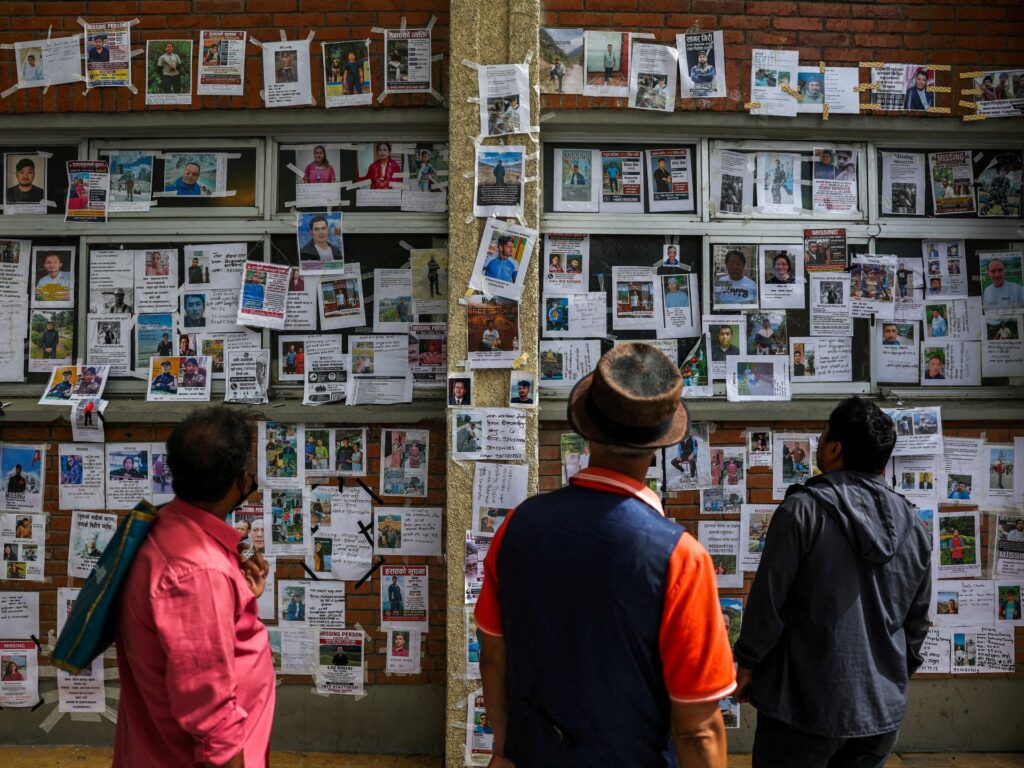
The recent floods in Nepal have devastated vast areas of the country, causing loss of life, widespread displacement, and severe damage to infrastructure and agriculture. Experts point out that climate change is intensifying the frequency and severity of such natural disasters, and Nepal’s vulnerability makes it particularly susceptible.
Nepal’s political leaders emphasize that their nation’s contribution to global carbon emissions is negligible compared to industrialized countries, yet it is facing some of the harshest consequences. This disparity forms the basis for the demand for climate justice—a principle that calls for fair treatment of all people in the development and enforcement of environmental laws and policies.
The concept of climate justice includes holding wealthy nations accountable for their historical emissions and their role in exacerbating climate impacts globally. Nepal’s officials argue that countries responsible for the majority of historic emissions should provide compensation and support for adaptation and recovery efforts in vulnerable nations like Nepal.
In international forums, Nepal has been vocal about the urgent need for increased funding for climate adaptation initiatives and disaster risk management. These funds are essential to bolster Nepal’s resilience against future extreme weather events exacerbated by climate change.
Nepal also highlights the importance of technology transfer and capacity building, enabling poorer nations to better monitor, predict, and respond to climate hazards. Without adequate support, Nepal risks continued cycles of devastation that hamper its development progress.
The floods underscore the urgency of global cooperation on climate action. Nepal’s stance is a reminder that climate change is not just an environmental issue but one deeply connected to human rights, equity, and fairness. Richer nations must acknowledge their responsibility and act decisively to quell a crisis that is disproportionately impacting the world’s most vulnerable countries.
In summary, Nepal’s demands for climate justice and compensation after deadly floods spotlight the broader need for systemic change in how the global community addresses climate change — emphasizing support, accountability, and fairness to protect those nations least responsible yet hardest hit by its effects.