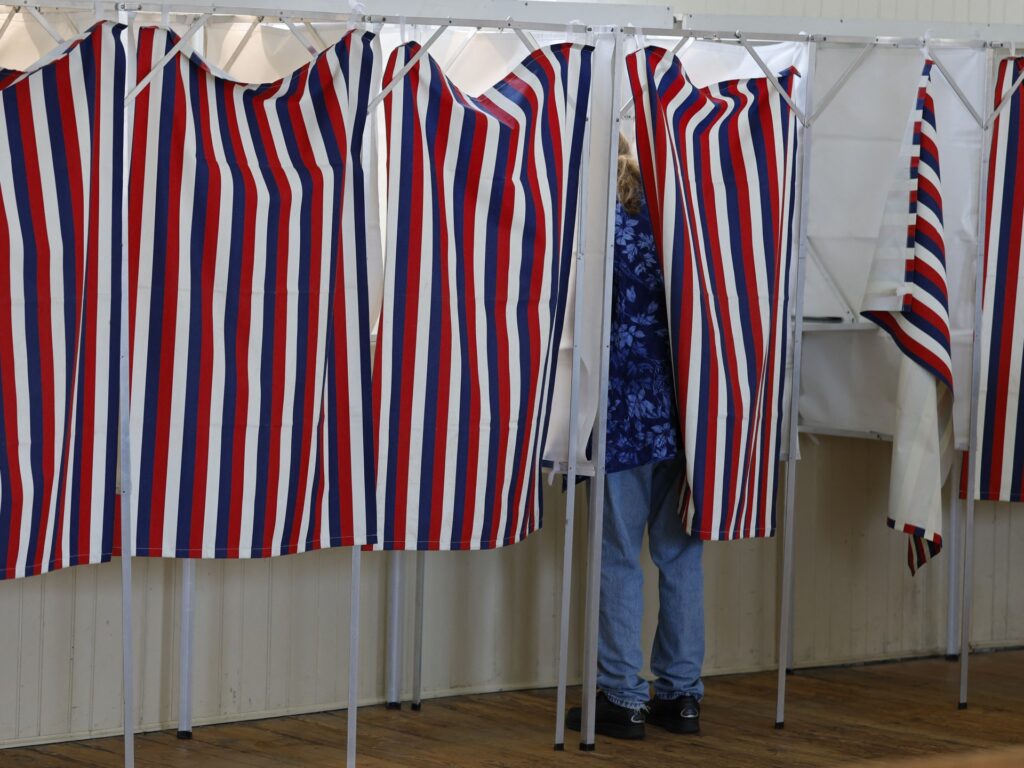
The recent New Hampshire primary has provided significant insights into the dynamics of the upcoming US midterm elections. The results underscore the Republican Party’s strategic efforts to establish a foothold in New England, a region traditionally dominated by Democrats. This development signals a potential shift in the political landscape, with implications for both local and national politics.
For the GOP, New Hampshire represents an opportunity to expand their influence in a historically challenging area. Their success here could pave the way for gains in other New England states, thereby altering the balance of power in the region. The party’s focused campaign efforts and resonant messaging appear to have mobilized voters and increased their competitiveness.
On the Democratic side, the primary results highlight a tenacious battle to retain the Senate seat. The Democrats are aware that losing this seat would not only diminish their representation but could also affect their ability to advance legislative priorities. The contest has galvanized Democratic voters and campaign resources, emphasizing the critical nature of this electoral fight.
Key takeaways from the New Hampshire primary include the recognition of shifting voter sentiments and the importance of strategic campaigning. Both parties are investing heavily in outreach and ground games to sway the undecided electorate. Additionally, the results reflect broader national trends, such as increasing polarization and the significance of suburban voters.
The New Hampshire primary results serve as a microcosm of the broader US midterm elections, highlighting the intense competition and evolving political strategies. As election day approaches, all eyes will be on these developments and their potential to reshape the Senate and House majorities.