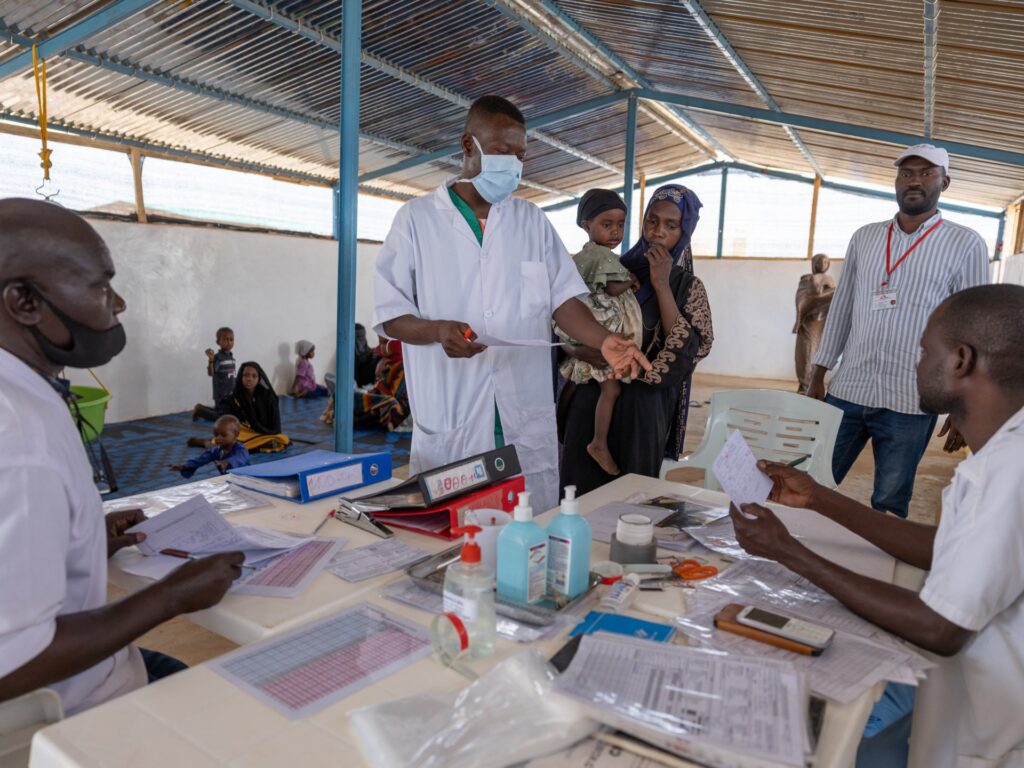
Sudan’s healthcare system is teetering on the edge of collapse, according to a stark warning issued by Médecins Sans Frontières (MSF), also known as Doctors Without Borders. The medical charity has revealed that more than one-third of the country’s health facilities are currently nonoperational, a situation exacerbated by deepening aid cuts amid ongoing conflicts and economic instability.
This alarming development paints a grim picture for Sudan’s population, millions of whom depend heavily on public health facilities for essential medical care. The shutdown of over a third of these facilities means that many communities now face severe barriers to accessing basic health services, including emergency care, maternal health, vaccinations, and treatment for chronic diseases.
MSF highlights that the healthcare crisis has been intensified by several compounding factors, including political turmoil, active conflicts in certain regions, and economic challenges that have led to shortages of medical supplies and personnel. The reduction in international aid, which has historically been a lifeline for Sudan’s fragile healthcare infrastructure, is forcing many clinics and hospitals to suspend operations temporarily or permanently.
The medical charity has called for urgent international support to prevent further deterioration of the healthcare system. They emphasize that without immediate intervention, the health status of millions of Sudanese will deteriorate rapidly, leading to increased mortality from preventable and treatable conditions.
Additionally, MSF warns about the broader implications for public health in Sudan. With a significant part of the healthcare system nonfunctional, risks such as disease outbreaks, untreated injuries from ongoing conflicts, and maternal and child mortality rates are expected to rise sharply.
The government of Sudan faces enormous challenges to stabilize the healthcare sector amid financial constraints and security issues. Experts argue that a coordinated effort involving the government, international organizations, and the community is essential to rebuild and sustain health facilities, ensure the supply of necessary medicines, and maintain trained healthcare workers across the country.
In summary, Sudan’s healthcare system is in critical jeopardy, with a substantial number of its health facilities nonoperational. This crisis, flagged by MSF, demands immediate and concerted action from the global community to avert a humanitarian disaster and support the health and wellbeing of the Sudanese people.