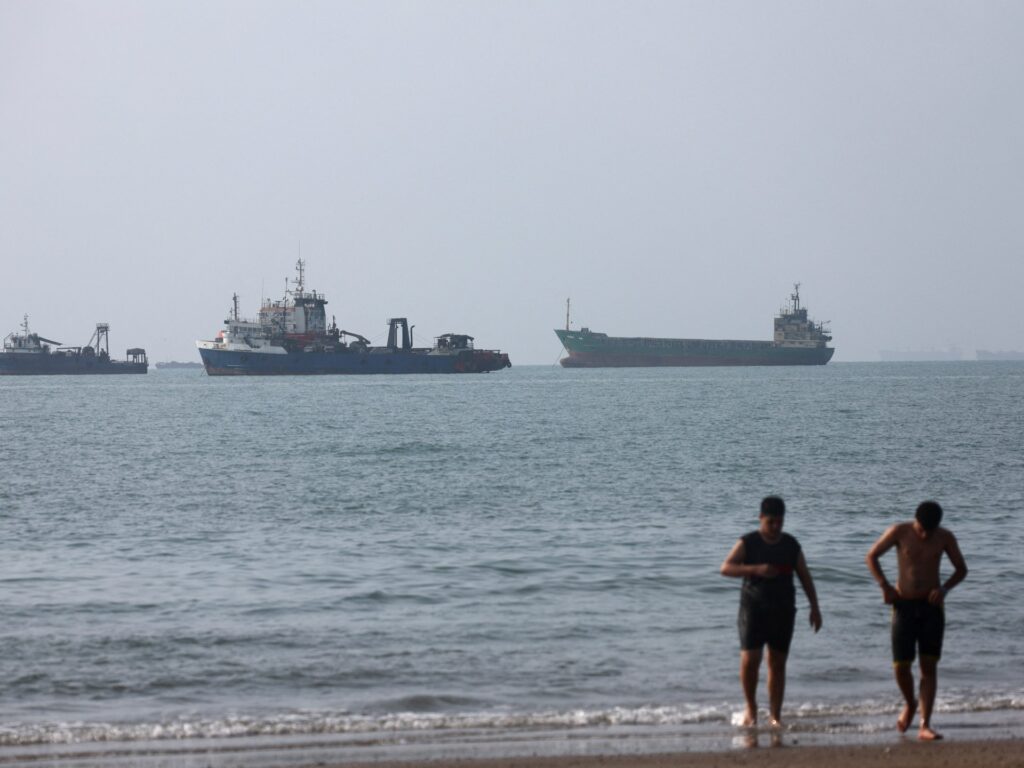
Qatar has declared the unconditional reopening of the Strait of Hormuz as a top priority amidst ongoing geopolitical tensions in the region. The Foreign Ministry of Qatar emphasized that ensuring open and secure navigation in the strait is crucial for global energy security and regional stability.
The Strait of Hormuz, a strategic waterway linking the Persian Gulf to the Arabian Sea, is a vital transit route for a significant portion of the world’s oil exports. Recent disruptions and threats to this passage have heightened international concerns, affecting global markets and diplomatic relations.
In a statement, Qatar’s Foreign Ministry highlighted its active diplomatic efforts aimed at de-escalating tensions between the United States and Iran. Doha is working diligently towards peaceful resolutions and dialogue to bring an end to what it describes as the US-led war on Iran.
The ministry elaborated that Qatar is committed to fostering a conducive environment for negotiations and conflict resolution using diplomatic channels, rather than military or coercive measures. It underlined that such efforts are imperative to restore peace and stability in the Gulf region.
Qatar’s strategic position as a mediating party stems from its balanced foreign policy and longstanding relations with various regional and global actors. Doha’s initiatives include engaging with stakeholders, promoting confidence-building measures, and facilitating communication to reduce misunderstandings that have led to escalations.
The reopening of the Strait of Hormuz without conditions is seen not only as a logistical necessity but also a symbolic step toward normalizing regional relations and ensuring uninterrupted maritime traffic.
Experts note that Qatar’s approach aligns with broader international calls for restraint and dialogue, countering the risks of military confrontations in a region critical to the world’s energy supply.
The Gulf Cooperation Council and other regional organizations have welcomed Qatar’s stance, acknowledging the importance of collaborative efforts in resolving crises through peaceful means.
Furthermore, Qatar’s diplomatic engagement reflects its commitment to international law and the principles of sovereignty and non-interference, which are vital for mutual respect among nations.
In summary, Qatar’s prioritization of the unconditional reopening of the Strait of Hormuz combined with its push for diplomatic solutions to US-Iran conflicts demonstrates a proactive approach to fostering peace and stability in a notably volatile part of the world. Doha’s role as a mediator underscores the power of dialogue and cooperation in addressing complex security challenges.