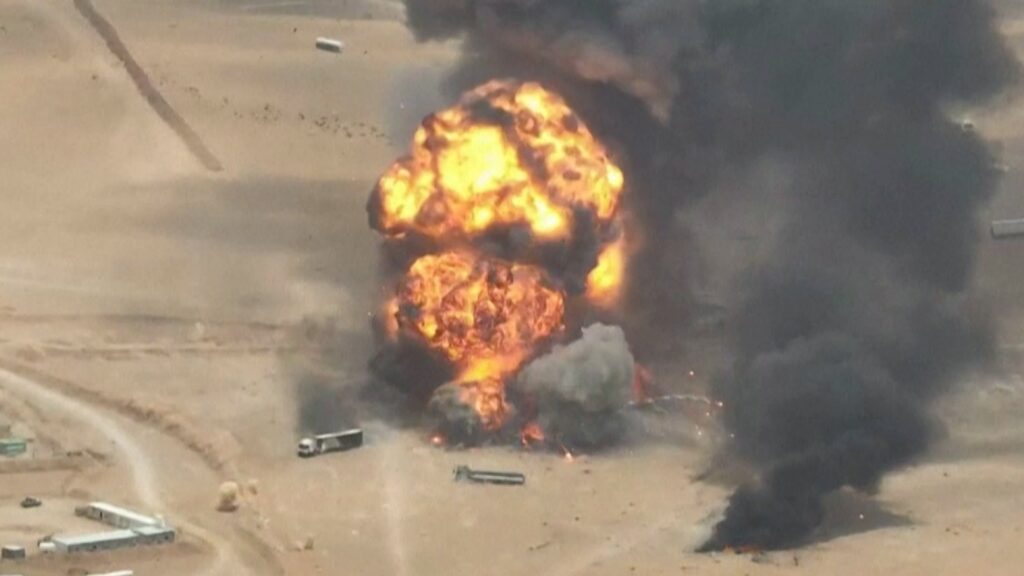
The conflict in Yemen is intensifying as government-aligned forces have launched counterattacks against the Iran-backed Houthi rebels, focusing their struggle on the strategically critical Bab al-Mandeb Strait. This narrow chokepoint, between the Arabian Peninsula and the Horn of Africa, is of immense geopolitical importance, controlling one of the world’s busiest shipping lanes.
The escalation reflects the ongoing complexities of the Yemen conflict, which has drawn in regional and international powers due to its strategic implications. The Bab al-Mandeb Strait serves as a major maritime route for oil and goods, and control over it can influence global trade dynamics significantly.
Government forces have increased their operations in an effort to reclaim territory and secure the strait, which has seen repeated clashes and shifting control over the past years. The Iran-backed Houthi movement considers the strait a vital point for asserting power and leverage in the region.
The situation remains highly volatile, with reports of heavy fighting, including airstrikes and ground engagements in recent days. The humanitarian situation is also deteriorating as civilians caught in the conflict zones face displacement, shortages of essential supplies, and heightened insecurity.
International stakeholders, including the United Nations and neighboring countries, have expressed concern over the escalation, calling for restraint and renewed diplomatic efforts to resolve the conflict. The risk of broader regional destabilization remains high if the fighting around the Bab al-Mandeb Strait continues unabated.
Local sources note that government-aligned troops have made strategic gains in certain areas, but the Houthis retain significant presence and firepower. The conflict’s trajectory remains uncertain as both sides appear determined to achieve control over this pivotal maritime corridor.
Analysts highlight that the battle for the Bab al-Mandeb Strait is not only a military confrontation but also a struggle over economic influence and maritime security, with potential repercussions for international shipping and energy supplies.
The international community continues to watch closely, emphasizing the need for a political solution to prevent further escalation and mitigate the devastating impacts on Yemen’s civilian population. As fighting intensifies, the prospects for a peaceful resolution appear increasingly challenging, underscoring the urgent need for diplomatic engagement and humanitarian assistance.