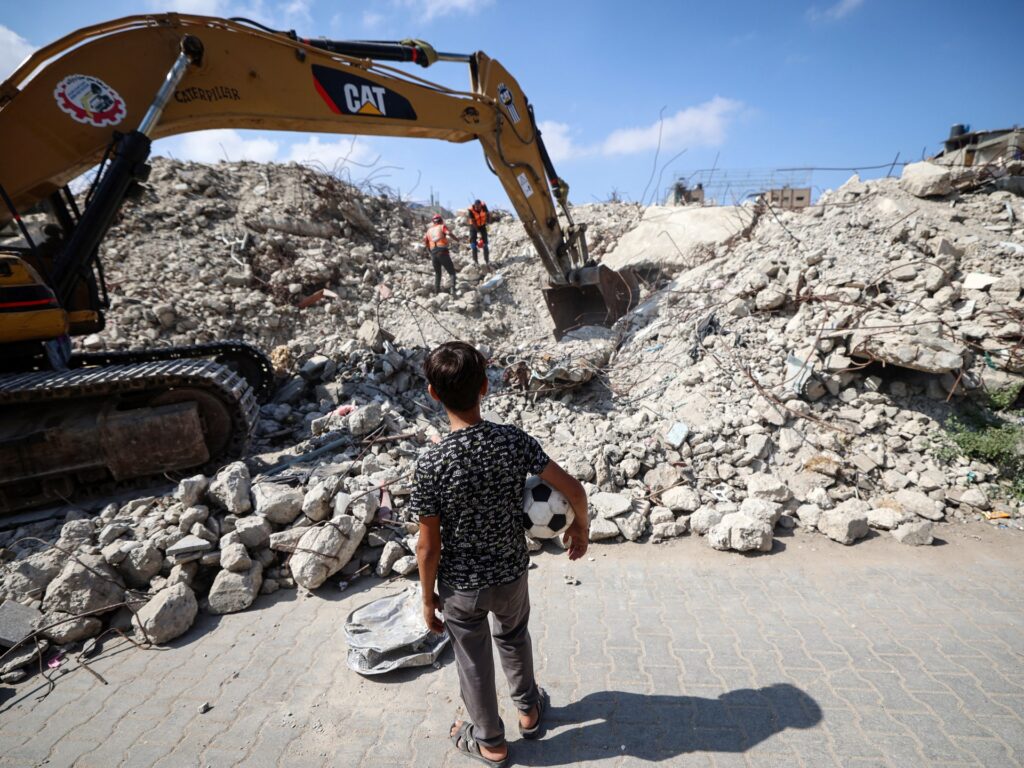
The United Nations has raised serious concerns regarding Israel’s ongoing removal of rubble in Gaza, emphasizing the risk of destroying crucial evidence related to alleged war crimes. This concern comes in the wake of an order from the International Court of Justice (ICJ) issued earlier in 2024, directing Israel to prevent the destruction of any evidence linked to potential war crimes.
According to the UN, the rubble in Gaza may contain significant forensic evidence that is vital for investigations into alleged violations of international law during recent conflicts. The removal of this debris without proper forensic procedures could undermine accountability efforts and the pursuit of justice.
The ICJ’s directive underscores the importance of preserving sites and materials that may be instrumental for ongoing and future investigations. It calls for Israel to halt any activities that may lead to the loss or contamination of critical evidence.
Human rights organizations have echoed the UN’s warning, urging Israel to comply with international legal obligations. They stress that the preservation of evidence is essential for ensuring accountability and delivering justice to victims of the conflict.
Israel, however, has cited security and humanitarian reasons for the rubble clearance, stating that it is necessary for reconstruction efforts and the restoration of essential services. Israeli officials argue that all measures are being taken to document and preserve evidence wherever possible.
The situation highlights the complex challenges faced in conflict zones where the need for rebuilding often intersects with international legal responsibilities. The international community continues to call for transparent, impartial investigations into alleged war crimes to uphold the rule of law and protect human rights.
This issue remains a focal point in broader discussions on accountability and justice in conflict-affected regions, emphasizing the delicate balance between reconstruction and the legal imperatives of evidence preservation.