The Philippines has expressed concerns over the possibility that China may seek to reassert its influence in the region following the recent reduction of joint military drills between the United States and South Korea. The move comes at a sensitive time as regional security dynamics continue to evolve amid shifting alliances and ongoing geopolitical tensions.
Speaking on the issue, the Philippines’ Defence Chief emphasized that despite the scaling back of military exercises, Washington has provided ‘definite assurances’ that its commitments to the Philippines’ defense and regional security remain steadfast. These assurances aim to bolster confidence in the enduring US-Philippines alliance, which has been a cornerstone of Manila’s security policy for decades.
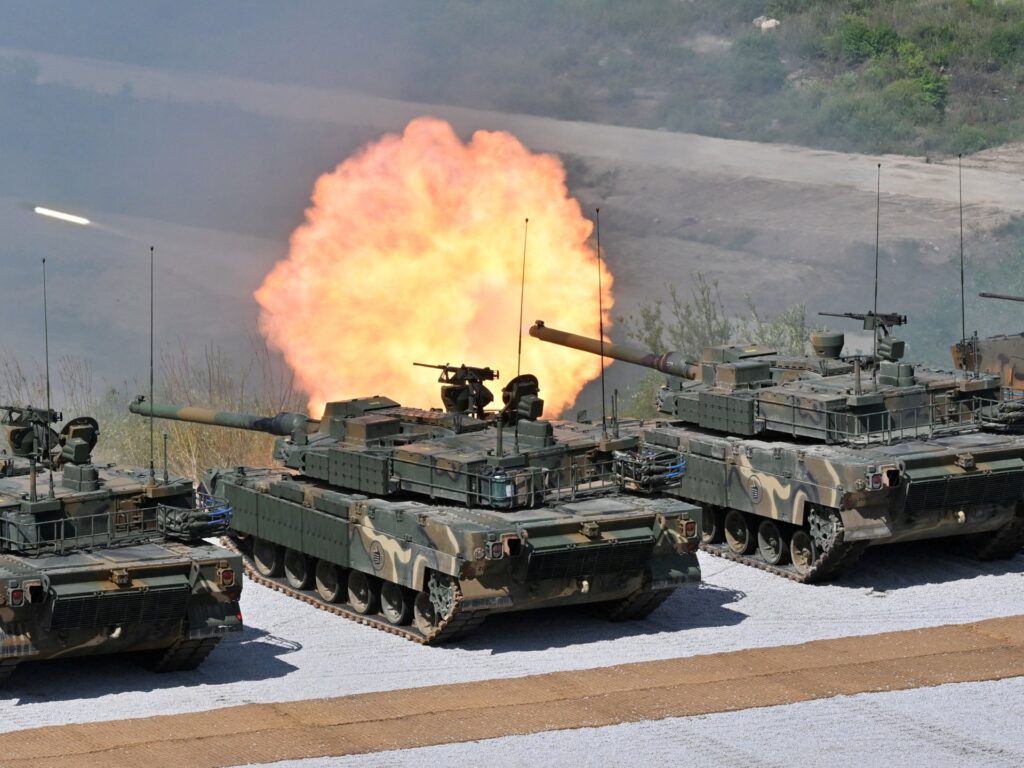
The US-South Korea military exercises, which have historically played a significant role in maintaining readiness against North Korean threats and reinforcing US presence in the Asia-Pacific, have seen a reduction in scale and frequency. This drawdown has prompted concerns among several regional players, including the Philippines, about possible shifts in the strategic balance.
China’s expanding military capabilities and assertive activities in disputed areas such as the South China Sea have long been a source of anxiety for Southeast Asian nations. Manila has previously sought to address these challenges through diplomatic channels and by strengthening bilateral ties with key allies.
The Defence Chief’s warning signals an alertness to the risks of decreased military collaboration between the US and its partners, which could potentially embolden China to pursue a more aggressive posture. The Philippines remains committed to engaging diplomatically with all parties while maintaining robust defense partnerships to safeguard its sovereignty and regional stability.
This development underscores the intricate interplay between major regional powers and the smaller nations caught in the middle, as well as the importance of continued international cooperation in maintaining peace and security in the Asia-Pacific.
Analysts suggest that the Philippines’ stance reflects a broader strategic recalibration among Southeast Asian countries, seeking to balance relations with both China and the US amid an increasingly complex geopolitical landscape. The situation will likely prompt further diplomatic engagements and possibly renewed discussions on military collaboration frameworks.
Overall, the Philippines’ cautionary note serves as a reminder of the fragile security equilibrium in the region and the need for sustained vigilance and partnership to prevent escalation and ensure mutual security guarantees are upheld.