In a significant development concerning the geopolitics of the Persian Gulf, Iran’s security chief, Mohsen Rezaei, has announced that Tehran will establish a restricted zone around the Strait of Hormuz. This announcement marks an important escalation in Iran’s efforts to assert control over one of the world’s most strategically critical maritime passages.
The Strait of Hormuz is a narrow, vital waterway through which a significant portion of the world’s petroleum passes. It connects the Persian Gulf with the Gulf of Oman and the Arabian Sea, making it a key route for oil shipments from major producers including Saudi Arabia, Iran, Iraq, Kuwait, and the United Arab Emirates.
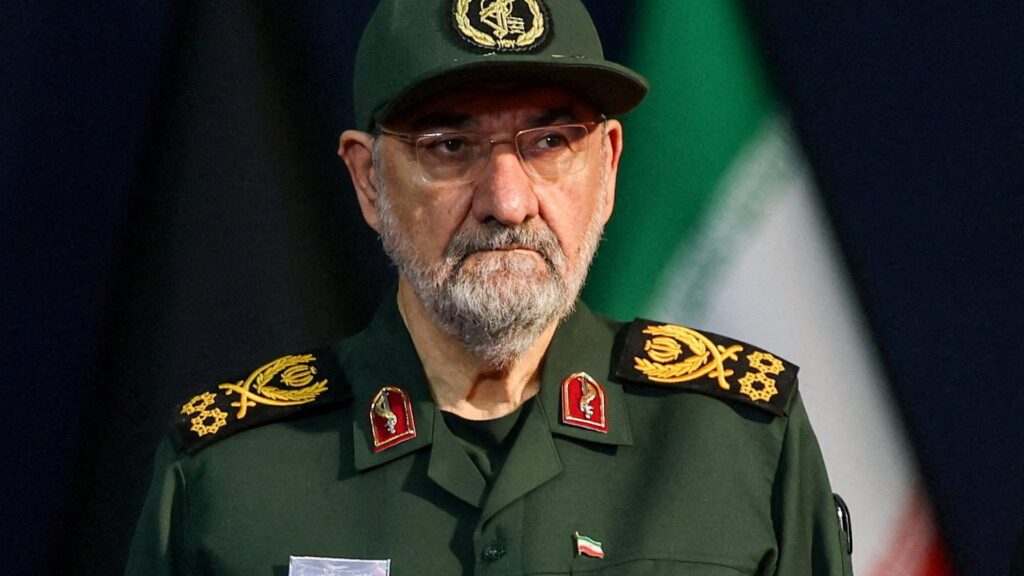
Mohsen Rezaei, a prominent figure in Iran’s security establishment, revealed plans that Tehran intends to designate certain waters surrounding the strait as a restricted zone. This move is intended to regulate and monitor maritime navigation more tightly, potentially limiting the movement of foreign military and commercial vessels.
The announcement is likely to heighten tensions in an already volatile region, where there have been frequent disputes and confrontations between Iran and Western naval forces. The United States and its allies have often maintained a significant naval presence in the area to ensure the free flow of oil and maintain security in international waters.
Iran’s decision comes amid ongoing geopolitical rivalries and after years of sanctions and pressure from Western nations. By declaring a restricted zone, Tehran is signaling its intent to exercise greater sovereignty over its adjacent waters and to deter what it perceives as foreign interference.
The precise boundaries of the restricted zone have not been publicly disclosed, but it is expected to encompass waters near the strait that are crucial for both commercial and military navigation. Maritime experts suggest that such a zone could complicate shipping routes and necessitate new diplomatic negotiations to avoid conflict.
International maritime law typically allows for the passage of vessels through straits used for international navigation under the principle of transit passage. However, Iran’s declaration could challenge these norms, particularly if it enforces restrictions that affect foreign naval operations.
The announcement has prompted reactions from various countries with interests in the region. Some Gulf states have expressed concern over potential disruptions to maritime traffic, while others are closely watching Iran’s next moves.
In addition to international implications, the move strengthens Iran’s domestic narrative of resistance against foreign intervention. It underscores Tehran’s strategic approach to safeguarding national security and asserting control over a critical economic and military chokepoint.
As the situation develops, the international community will be monitoring Tehran’s enforcement measures regarding the restricted zone and the regional impact on maritime security, energy supplies, and diplomatic relations.
This new development at the Strait of Hormuz is a reminder of the complex and often tense nature of geopolitics in the Persian Gulf, an area of enduring strategic importance and international interest.
In summary, Iran’s planned restricted zone around the Strait of Hormuz marks a notable shift in regional dynamics, reflecting Tehran’s ambitions to consolidate control over a pivotal maritime route. The announcement promises to shape the security environment and political discourse for months to come, as countries navigate the challenges posed by this significant geopolitical maneuver.