Skip to content
September 7, 2026
  • Facebook
  • Twitter
  • Instagram
  • Youtube
  • tiktok
MILLENNIUM NEWS 24/7

MILLENNIUM NEWS 24/7

Bridging The Community’s World Wide

  • Home
  • IP TV LIVE
  • U.S.News
  • LOCAL ELECTION
  • State News
    • Alabama
    • Alaska
    • Arizona
    • Arkansas
    • California
    • Colorado
    • Connecticut
    • Delaware
    • Florida
    • Georgia
    • Hawaii
    • Idaho
    • Illinois
    • Indiana
    • Iowa
    • Kansas
    • Kentucky
    • Louisiana
    • Maryland
    • Massachusetts
    • Michigan
    • Maine
    • Minnesota
    • Mississippi
    • Missouri
    • Montana
    • Nebraska
    • Nevada
    • New Hampshire
    • New Jersey
    • New Mexico
    • New York
    • North Carolina
    • North Dakota
    • Oregon
    • Pennsylvania
    • Rhode Island
    • South Carolina
    • South Dakota
    • Tennessee
    • Texas
    • Virginia
    • Washington
    • West Virginia
    • U.S. Virgin Islands
  • Politics
  • World News
  • Sports
  • Entertainment
  • Weather
  • Business
  • Health News
  • Urban Cultural Programs
  • ADVERTISEMENT
  • About Us
  • Contact us
Live TV

Iran’s Ambitious Plan to Enforce a Restricted Zone in the Strait of Hormuz Amid Rising US Tensions

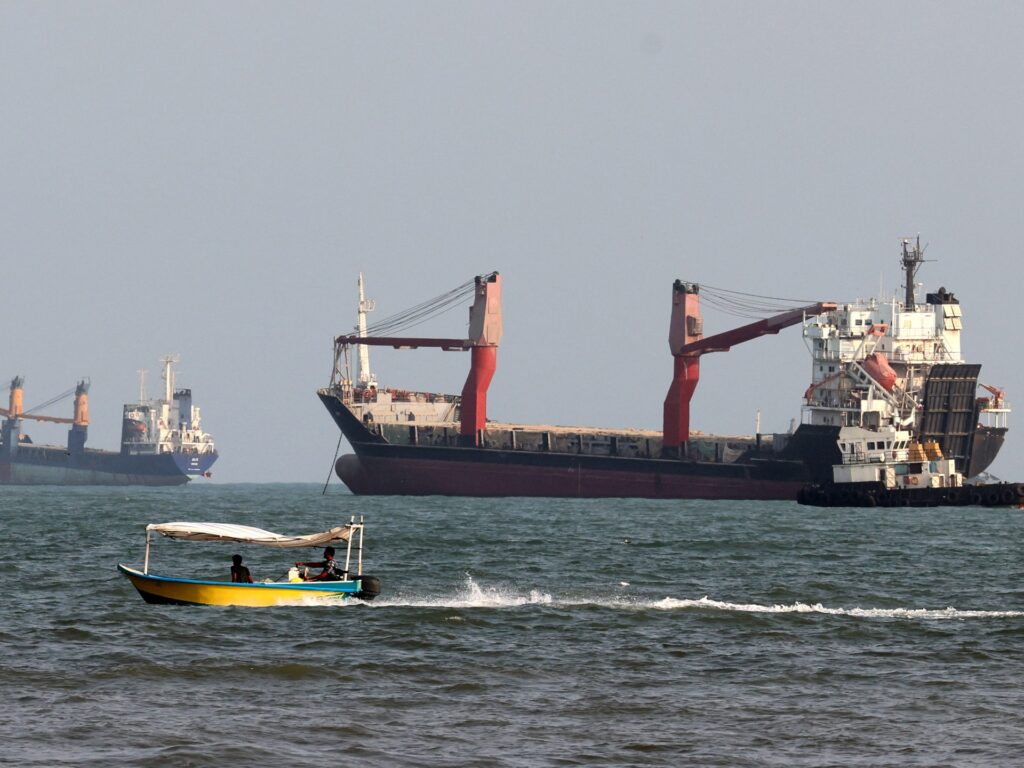
Iran has recently unveiled plans to establish a restricted zone in the Strait of Hormuz, one of the world’s most critical maritime chokepoints. This announcement has drawn significant international attention, given the strategic importance of the strait through which a substantial portion of global oil shipments pass. Tehran’s proposal aims to control navigation and secure its territorial waters, but questions abound regarding its ability to effectively enforce such a zone, especially amid escalating tensions with the United States.

The Strait of Hormuz is a narrow waterway connecting the Persian Gulf with the Gulf of Oman and the Arabian Sea. Approximately 20% of the world’s petroleum, including exports from major oil-producing nations like Saudi Arabia, Iraq, Kuwait, and of course Iran itself, traverses this route daily. Because of its economic relevance, control over the strait has always been a sensitive issue involving multiple global powers.

Iran’s motivation to declare a restricted zone stems from its desire to assert sovereignty over its maritime boundaries and respond to what it perceives as threats from foreign military presence, particularly that of the US Navy. Tehran has accused the US of provocative actions near its waters, including naval patrols and freedom of navigation operations meant to challenge Iranian influence. By establishing a restricted zone, Iran aims to legitimize its control and potentially restrict or monitor foreign vessels passing through.

However, the question remains whether Iran possesses the operational capacity to enforce such a zone. Enforcement would require robust surveillance infrastructure, military presence, and the willingness to confront vessels violating restrictions. While Iran does maintain a formidable naval force relative to the region, including fast attack boats, missile capabilities, and coastal defense systems, these assets are generally designed for asymmetric warfare rather than sustained control over such an expansive and internationally navigated waterway.

Moreover, the strategic calculus involved complicates enforcement. The US and its allies view the Strait of Hormuz as an international waterway governed by established maritime laws, including the right of passage. Any attempts by Iran to restrict access could provoke a severe military response, risking broader escalation. Past incidents, such as the seizure of tankers and confrontations between Iranian forces and Western navies, illustrate the precarious nature of the region.

Diplomatic efforts have so far failed to de-escalate tensions effectively. Sanctions on Iran have intensified, and the US maintains a significant naval presence in the region. These dynamics limit Tehran’s room for maneuver but also reinforce its incentive to leverage maritime control as a strategic tool.

The geopolitical implications of an enforced restricted zone are profound. If Iran manages to impose operational control, it could disrupt global oil markets, raise insurance costs for shipping, and leverage regional influence. Conversely, failure to enforce may diminish Iran’s deterrent posture, affecting its regional standing.

In conclusion, while Iran has articulated ambitious plans to create and enforce a restricted zone in the Strait of Hormuz, its practical ability to do so under the shadow of US military dominance and international maritime law is highly contested. The unfolding situation remains a focal point of broader strategic rivalry, requiring careful monitoring by global stakeholders. This development underscores the fragile security environment of the Persian Gulf and serves as a reminder of the ongoing geopolitical contest shaping the world’s energy corridors.


About Author

admin

See author's posts

Post navigation

Previous Is AfD’s Ulrich Siegmund Germany’s ‘Most Dangerous Man’?
Next Iran and Ukraine Wars: The Fuel Shortage Crisis in Shipping and Its Global Impact

Related Stories

Iran and Ukraine Wars: The Fuel Shortage Crisis in Shipping and Its Global Impact

Iran and Ukraine Wars: The Fuel Shortage Crisis in Shipping and Its Global Impact

Is AfD’s Ulrich Siegmund Germany’s ‘Most Dangerous Man’?

Is AfD’s Ulrich Siegmund Germany’s ‘Most Dangerous Man’?

Israel’s Katz Warns of ‘Full-Scale War’ Against Palestinian Authority Following Settler Stabbing Amid Rising West Bank Violence

Israel’s Katz Warns of ‘Full-Scale War’ Against Palestinian Authority Following Settler Stabbing Amid Rising West Bank Violence

Entertainment

Susan Sarandon Reveals She Continues to Lose Film Roles Due to Her Support for Palestine 1

Susan Sarandon Reveals She Continues to Lose Film Roles Due to Her Support for Palestine

White House Arcade Games Spark Controversy Over ‘Build The Wall’ Theme 2

White House Arcade Games Spark Controversy Over ‘Build The Wall’ Theme

Rooney and Kate Mara had to speak in unison in ‘Bucking Fastard’ 3

Rooney and Kate Mara had to speak in unison in ‘Bucking Fastard’

Feminist Icon Gloria Steinem Dies Aged 92 4

Feminist Icon Gloria Steinem Dies Aged 92

George Clooney Labels US Government a ‘Kakistocracy’ Amidst Criticism of Trump Administration 5

George Clooney Labels US Government a ‘Kakistocracy’ Amidst Criticism of Trump Administration

Mark Ruffalo Faces Backlash Over Anti-Semitism Accusations Following Comments on Paramount-Warner Bros Merger and Israeli Military Ties 6

Mark Ruffalo Faces Backlash Over Anti-Semitism Accusations Following Comments on Paramount-Warner Bros Merger and Israeli Military Ties

Mark Ruffalo Faces Backlash for Comments Linking Paramount-Warner Bros Merger to Israeli Military Actions 7

Mark Ruffalo Faces Backlash for Comments Linking Paramount-Warner Bros Merger to Israeli Military Actions

Top News

Iran and Ukraine Wars: The Fuel Shortage Crisis in Shipping and Its Global Impact

Iran and Ukraine Wars: The Fuel Shortage Crisis in Shipping and Its Global Impact

Iran’s Ambitious Plan to Enforce a Restricted Zone in the Strait of Hormuz Amid Rising US Tensions

Iran’s Ambitious Plan to Enforce a Restricted Zone in the Strait of Hormuz Amid Rising US Tensions

Is AfD’s Ulrich Siegmund Germany’s ‘Most Dangerous Man’?

Is AfD’s Ulrich Siegmund Germany’s ‘Most Dangerous Man’?

Israel’s Katz Warns of ‘Full-Scale War’ Against Palestinian Authority Following Settler Stabbing Amid Rising West Bank Violence

Israel’s Katz Warns of ‘Full-Scale War’ Against Palestinian Authority Following Settler Stabbing Amid Rising West Bank Violence

  • Home
  • About Us
  • Facebook
  • Twitter
  • Instagram
  • Youtube
  • tiktok
Editor: Nur M Tofader, Office: 250 Park Avenue, 7th Floor, New York, NY 10177 & Tell: 718 893 0002 (Office), 7188441300, +1212 401 6266, e-mail: Info@millenniuamtv24.com, e-mail: Info@millenniuamnews24.com, Copyright © Millennium News 24/7 | DarkNews by AF themes.