The ongoing conflicts involving Iran and Ukraine have precipitated a critical shortage of ship fuel, causing significant disruptions in global maritime logistics. This shortage is primarily attributed to a decrease in crude oil availability in the market and a shift in refinery production preferences toward diesel fuel, which is highly demanded across various sectors.
Crude oil serves as the fundamental raw material for producing ship fuel, known as bunker fuel. However, the persistent geopolitical tensions and sanctions related to Iran, coupled with the instability stemming from the Ukraine war, have severely constrained crude oil supplies. This reduction in availability has consequently led refineries to recalibrate their output strategies.
One major factor behind the shortage is refiners’ preference to prioritize diesel production over bunker fuel. Diesel is a high-demand commodity, used extensively in transportation, agriculture, and industrial machinery, driving refiners to allocate more crude oil resources toward its manufacture. This strategic shift aims to meet crucial domestic and international demand but inadvertently limits the amount of fuel oil available for shipping vessels.
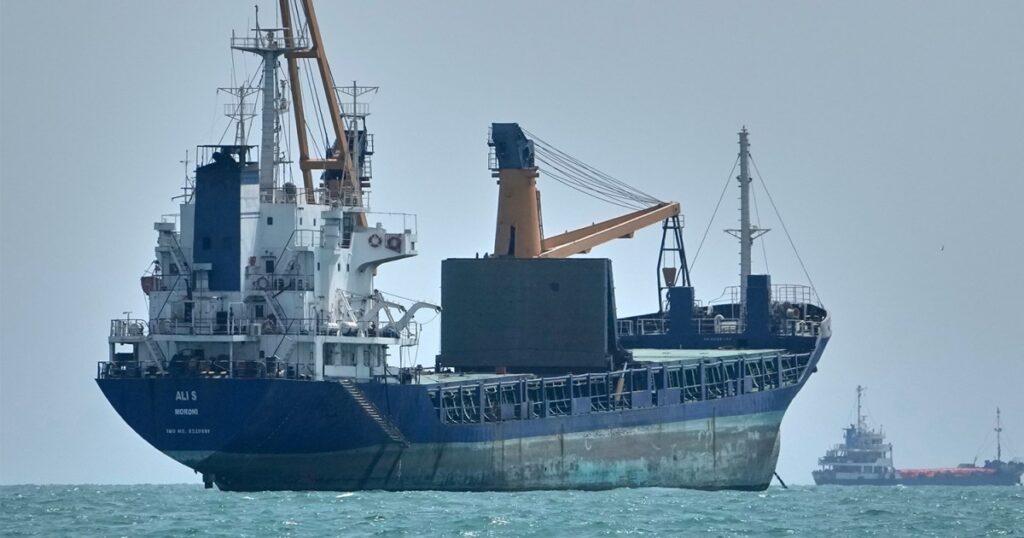
The maritime shipping industry is heavily reliant on bunker fuel to power cargo ships, tankers, and container vessels that form the backbone of global trade. When these vessels face difficulties in securing adequate fuel, shipping costs escalate sharply, which in turn raises the price of goods transported worldwide.
Moreover, the shortage affects shipping schedules and routes. Some vessels are forced to travel longer distances to find refueling ports or reduce their operational speeds to conserve fuel. These measures disrupt supply chains and delay deliveries, impacting industries from manufacturing to retail.
The implications extend beyond shipping economics. With increased fuel scarcity, there is a push for alternative propulsion technologies and fuels, including cleaner energy sources. However, the global shipping fleet remains predominantly dependent on conventional bunker fuel, and transitions to alternative fuels will take considerable time and investment.
Experts warn that continuous fuel shortages could exacerbate inflationary pressures globally by increasing transportation costs and causing supply chain bottlenecks. This situation emphasizes the interconnectedness of geopolitical stability, energy markets, and global trade dynamics.
To mitigate the crisis, stakeholders in the shipping industry, energy sector, and governments are exploring coordinated efforts: enhancing fuel stockpiles, diversifying supply sources, negotiating with oil-producing nations, and accelerating research into sustainable maritime fuels.
In conclusion, the current shortage of ship fuel driven by the Iran and Ukraine wars highlights the vulnerability of global supply chains to geopolitical conflicts. Addressing this complex issue requires international cooperation, strategic energy management, and innovation in marine fuel technology to secure the future of global maritime trade and economic stability.