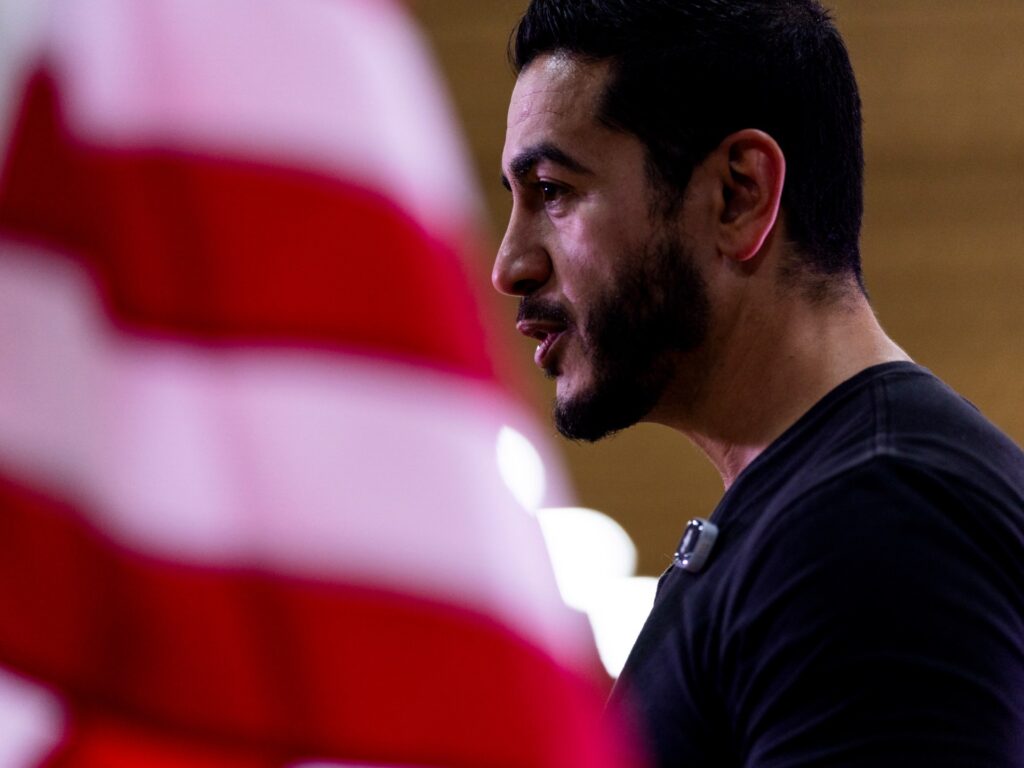
Abdul El-Sayed, a Michigan Senate hopeful, has increasingly highlighted the intersection of his Muslim faith and American identity in recent speeches as part of his campaign efforts. His candid discussions shed light on the experiences of Muslim Americans, emphasizing both the challenges they face and the contributions they make to the social and political fabric of the United States.
During his campaign, El-Sayed has addressed misconceptions about Islam, stressing that being Muslim and being American are not mutually exclusive. He advocates for greater understanding and inclusion, seeking to bridge gaps between communities through open dialogue and shared values. This approach resonates with a diverse electorate, particularly within Michigan’s multicultural population.
El-Sayed’s speeches often reflect on personal stories and broader narratives from Muslim Americans, highlighting how faith shapes identity in a complex sociopolitical landscape. He discusses issues such as religious freedom, discrimination, and the importance of representation in government. His message underscores the American ideal of diversity and the ongoing struggle to realize it fully.
Moreover, El-Sayed positions his campaign as a platform to address systemic issues affecting marginalized communities, including Muslims, immigrants, and other underrepresented groups. He emphasizes the need for policymakers who understand these experiences firsthand and are committed to fostering equity and justice.
In engaging with the Muslim community and American voters at large, El-Sayed exemplifies a new wave of political candidates who bring multifaceted perspectives to public service. His speeches serve not only as a political tool but also as a means to educate and unify, reaffirming that faith and national identity can coexist harmoniously.
As the Senate race progresses, El-Sayed’s emphasis on faith and identity continues to spark important conversations across Michigan and beyond. His efforts highlight the evolving dynamics of American politics where diverse backgrounds contribute to shaping the nation’s future.
Overall, Abdul El-Sayed’s campaign marks a significant moment in the representation of Muslim Americans in political discourse, encouraging a more inclusive vision of what it means to be American today.