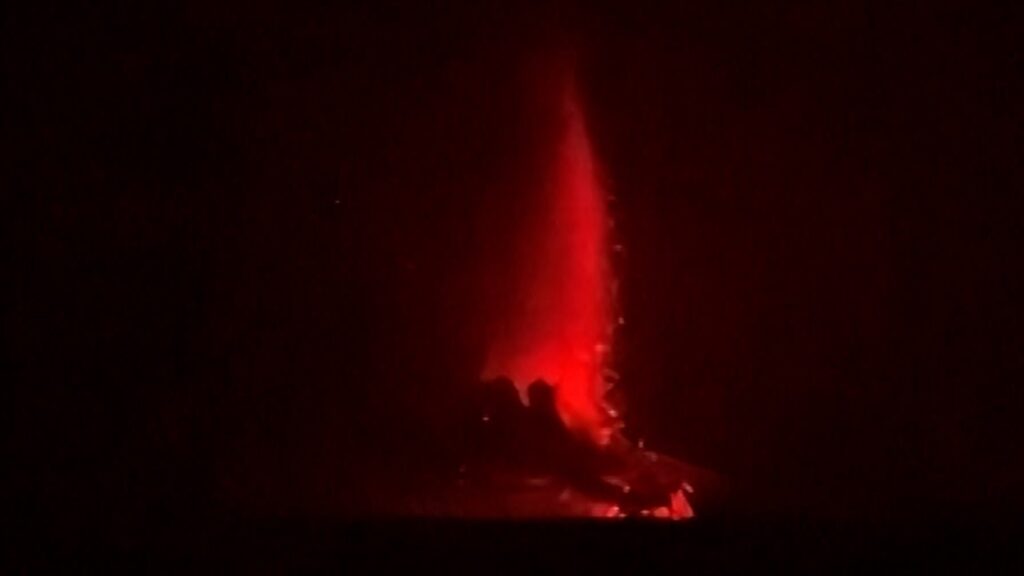
Indonesia’s Anak Krakatau volcano has erupted twice in recent days, leading to significant disruptions in air travel across the region. The volcanic ash plume emitted during these eruptions has forced hundreds of flights to be delayed or canceled, affecting both domestic and international schedules. Anak Krakatau, which is situated in the Sunda Strait between the islands of Java and Sumatra, has been known for its volcanic activity, but the recent eruptions have heightened concerns due to the volume of ash spewed into the atmosphere.
The Indonesian Agency for Meteorology, Climatology, and Geophysics (BMKG) issued warnings following the eruptions, advising airlines and travelers to exercise caution. Aviation authorities have implemented temporary no-fly zones around the volcano to ensure the safety of aircraft, as volcanic ash can cause severe damage to airplane engines and instrumentation.
Residents near the volcano have also been affected, with ashfall leading to decreased air quality and visibility. Local authorities have urged communities in nearby areas to prepare for potential evacuations and advised them to wear masks to avoid respiratory issues. Emergency response teams have been mobilized to assist those affected by the eruptions.
Experts explain that Anak Krakatau is an active volcanic island formed from a volcanic cone, notorious for its frequent activity and potential to cause tsunamis, as seen in the catastrophic 2018 eruption and landslide. Scientists continue to monitor the volcano closely using seismic data and satellite imagery to predict further activity and potential hazards.
The aviation sector remains vigilant, coordinating with meteorological agencies to update flight paths and schedules dynamically. Airlines are providing refunds and rescheduling options for passengers impacted by the cancellations and delays to minimize inconvenience.
This event highlights the challenges of living in a volcanically active region where natural disasters can disrupt daily life and critical infrastructure. Authorities emphasize the importance of preparedness, public awareness, and international cooperation to mitigate risks and protect lives.
As Anak Krakatau continues its activity, the situation remains fluid. Updates are expected as scientists gather more data to understand the volcano’s behavior and advise on safety measures. Travelers to the region are encouraged to stay informed through official channels and comply with all safety directives issued by government agencies.