In a recent development that has drawn widespread condemnation from international observers and press freedom advocates, Tunisia has arrested journalist Mohamed Yousfi. This arrest marks another chapter in the ongoing crackdown on journalists and critics under the government of President Kais Saied. Mohamed Yousfi, known for his outspoken critiques of the current administration, was detained amid a wave of prosecutions targeting media professionals who have openly challenged government policies and actions.
Tunisia, once hailed as a beacon of democracy in the Arab world following the Arab Spring, has seen increasing restrictions on press freedom. Since President Saied assumed power, there has been a noticeable shift toward authoritarian measures, including the suppression of dissenting voices. The arrest of Yousfi is perceived as part of a broader strategy to silence criticism and control the narrative within the country.
The international community has responded with concern, with numerous human rights organizations calling for the immediate release of Yousfi and an end to the harassment of journalists. The Committee to Protect Journalists (CPJ) and Reporters Without Borders (RSF) have issued statements condemning the arrests and urging Tunisian authorities to uphold the principles of freedom of expression and the right to a fair trial.
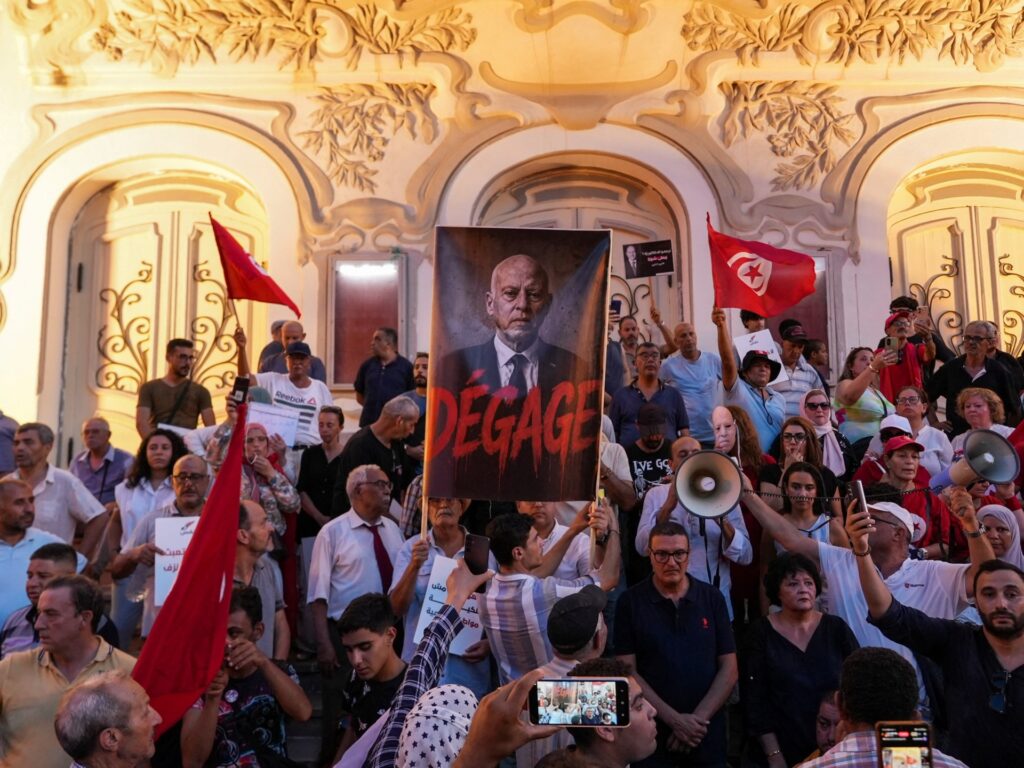
Locally, the arrest has sparked outrage among civil society groups and fellow journalists who view this move as a threat to the gains made in Tunisian democratic development. Media outlets have reported increased self-censorship due to fear of reprisals, which undermines the role of the press in holding those in power accountable.
President Kais Saied, who came to power in 2019, has pursued policies that his critics describe as autocratic, including dissolving parliament and ruling by decree. These actions have triggered political instability and dissatisfaction among various segments of society. The government’s justification for targeting journalists has often been framed around accusations of spreading false information and threatening national security.
Mohamed Yousfi’s arrest is a stark reminder of the fragile state of press freedoms in Tunisia. His detainment highlights the risks faced by journalists in environments where the government seeks to consolidate power at the expense of democratic norms. As Tunisia navigates this turbulent political landscape, the international spotlight remains firmly focused on its commitment to upholding human rights and ensuring justice for those imprisoned for exercising their fundamental freedoms.
The ongoing prosecutions and arrests have raised alarms about the future of independent journalism in Tunisia and the broader implications for democracy in the region. Advocates continue to call for reforms that will protect journalists and safeguard the right to free expression, essential components of any open and democratic society.
In conclusion, the arrest of Mohamed Yousfi is emblematic of the challenging climate for journalists in Tunisia today. It underscores the pressing need for greater protections for the press and a return to democratic principles that respect freedom of speech and political pluralism. The world watches closely as Tunisia confronts these critical issues that will shape its political and social future.