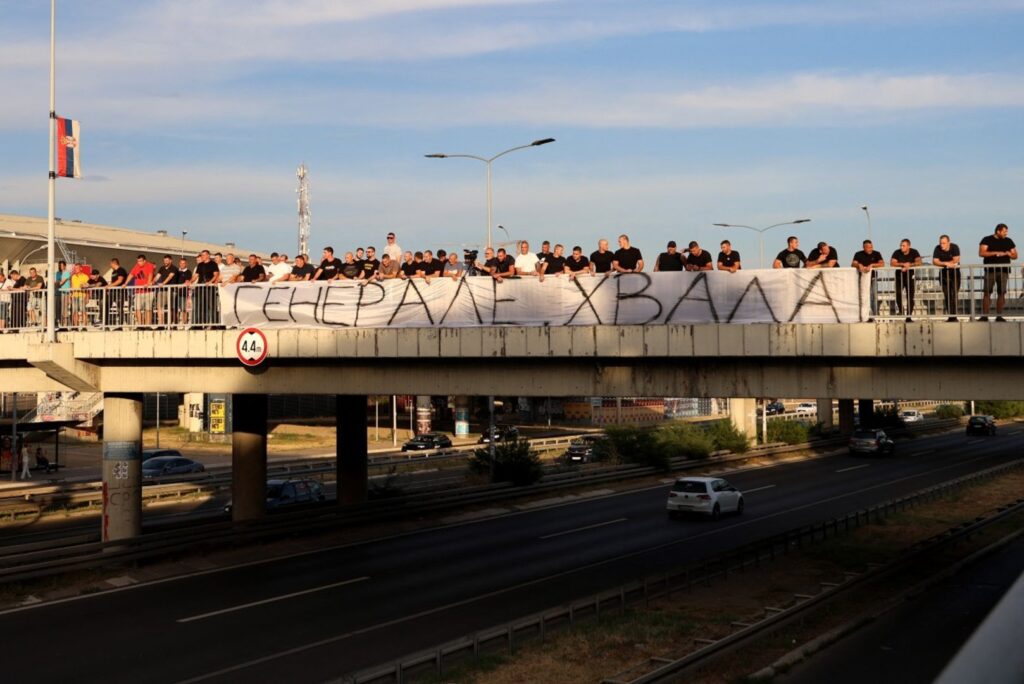
In a significant diplomatic development, Marta Kos, a senior European Union official, has canceled her scheduled visit to Serbia. The cancellation comes as a response to planned events in Serbia that were intended to pay tribute to Ratko Mladic, a controversial figure widely condemned for his role in the Bosnian War and associated war crimes.
Marta Kos stated that the planned glorification of Ratko Mladic is deeply incompatible with European values, emphasizing that honoring individuals linked to atrocities undermines the principles of justice and reconciliation that the EU upholds. This move by Kos signals a clear stance from the EU against any acts that could be seen as endorsing or excusing war crimes or genocide.
Ratko Mladic, former Bosnian Serb military leader, was convicted of genocide, war crimes, and crimes against humanity by the International Criminal Tribunal for the former Yugoslavia (ICTY). His actions during the 1990s Balkan conflicts, especially the Srebrenica massacre, have left deep scars in the region and continue to affect relations between ethnic groups and neighboring countries.
The EU has consistently promoted a policy of accountability and support for regional stability in the Western Balkans. Kos’s cancellation is a reflection of this policy, underscoring the importance of confronting the past honestly in order to move forward toward integration and cooperation.
Serbia’s upcoming events intended to honor Mladic have stirred controversy domestically and internationally. Critics argue that such tributes risk fueling nationalist sentiments and impede the healing process necessary for peace and EU accession talks.
Many European officials and international observers have expressed concern that glorifying figures like Mladic not only distorts historical facts but also threatens the reconciliation efforts vital to the region’s future.
The canceled visit was expected to be part of ongoing dialogues between the EU and Serbia aimed at facilitating Serbia’s EU accession and encouraging reforms aligned with European standards. Kosovo’s decision to withdraw participation sends a strong message about the EU’s commitment to human rights, justice, and regional cooperation.
This diplomatic incident has put additional pressure on Serbia to reassess its stance and actions regarding controversial historical figures and to align more closely with the norms and values expected by the European Union.
The implications of this cancellation extend beyond a single visit, reflecting broader challenges in the EU’s relationship with the Western Balkans. It highlights the delicate balance between respecting national narratives and ensuring adherence to internationally accepted human rights principles.
Moving forward, the EU is likely to maintain a firm position on issues related to historical memory and justice, making it clear that any form of glorification of condemned war criminals will complicate Serbia’s path towards closer ties with Europe.
This episode serves as a reminder of the ongoing struggles in the region to reconcile with a painful past and the necessity for leadership that promotes unity, accountability, and shared values.