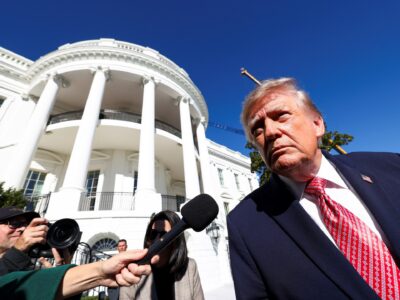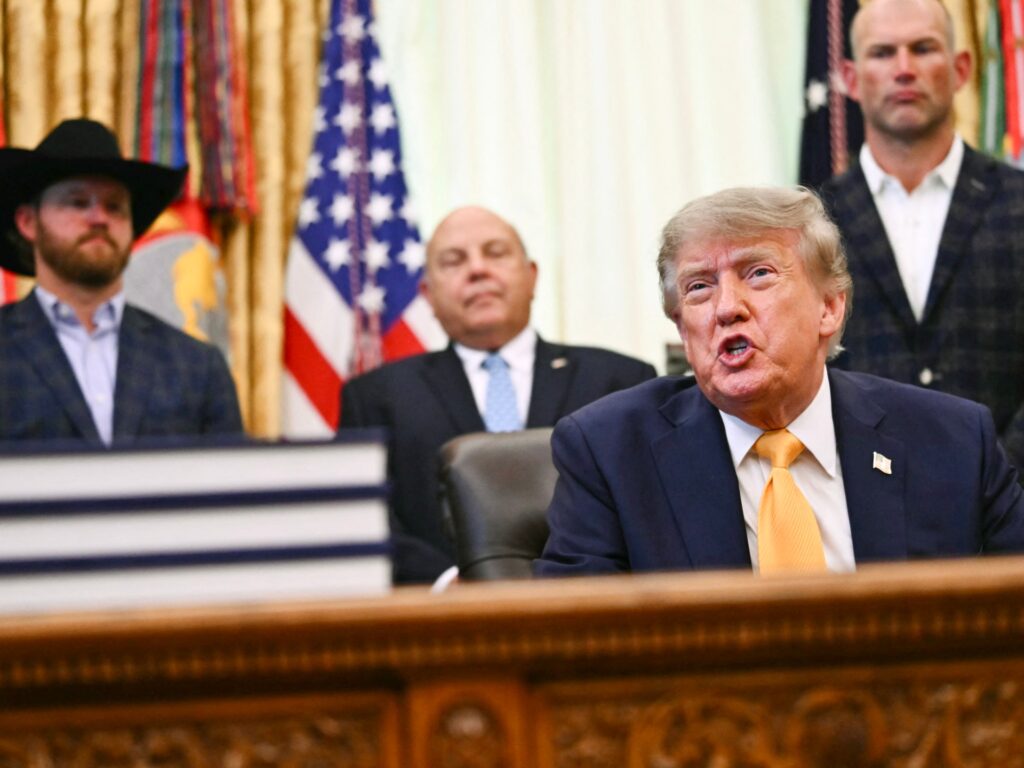
In a recent press interaction, US President Donald Trump notably downplayed the ongoing tensions between the United States and Iran. Despite a recent exchange of fire that heightened concerns about a potential escalation, President Trump assured the public and media that the US is ‘not fighting right now,’ referring to the situation as ‘small potatoes.’
This statement came in the wake of a significant yet contained military incident, where both nations exchanged fire, stirring widespread apprehension about the prospect of a broader conflict. The incident saw missile launches and retaliatory strikes, showcasing the fragile nature of the US-Iran relationship.
President Trump’s cautious approach in his remarks seems aimed at calming the nerves of the American public and international observers. By emphasizing that the US is not currently engaged in an active war, he sought to mitigate fears of an imminent large-scale military confrontation in the Middle East.
Analysts suggest that President Trump’s framing of the incident as “small potatoes” attempts to keep the situation in perspective, suggesting that while the confrontation is serious, it too can be managed through diplomatic and strategic means rather than escalating to full-scale war.
This approach aligns with a broader trend in the administration’s foreign policy, which often balances between showing strength and avoiding open conflict. The US government’s position is to deter aggression while leaving open channels for negotiation and resolution.
The media and political commentators reacted to President Trump’s remarks with a mix of relief and skepticism. Some praised the president for preventing panic, while others caution that downplaying such exchanges could underestimate the risks involved.
Meanwhile, international stakeholders are closely monitoring the situation, with calls for restraint and dialogue emerging from global leaders. The delicate balance of power in the Middle East remains a critical factor in ensuring regional and global security.
In conclusion, President Trump’s characterization of the US-Iran exchange as ‘small potatoes’ reflects an attempt to manage public perception and international anxiety amid an inherently volatile situation. It underscores the complexities of modern geopolitical challenges where military force and diplomacy intersect in delicate ways.