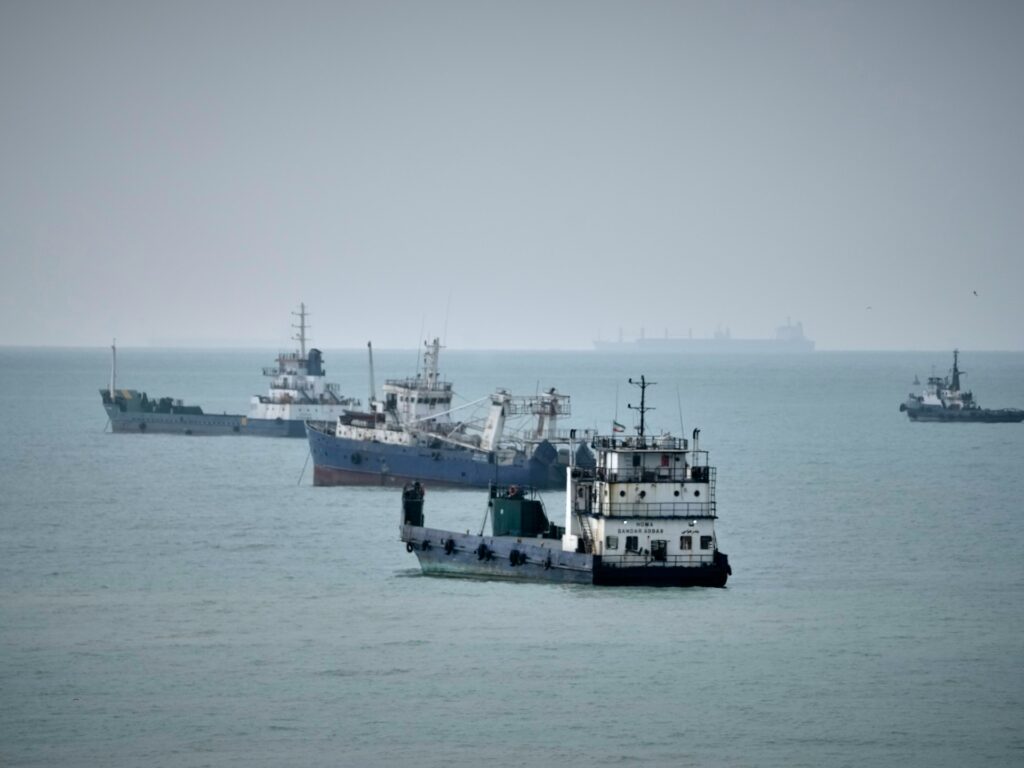
South Korea is currently contemplating its role and potential ‘contributions’ in the Strait of Hormuz, a vital and highly strategic waterway in the Middle East. The Strait of Hormuz is crucial for global oil shipments, making it a focal point of international navigation and security concerns. Recent geopolitical tensions in the area, especially involving Iran, have heightened the significance of the strait.
Seoul’s interest in the strait emerges against a backdrop of substantial economic and diplomatic pressures. The nation is heavily affected by any closure or instability in this waterway due to its reliance on oil imports that transit through this route. Disruptions can have significant impacts on South Korea’s energy security and economic stability.
Moreover, South Korea faces intense pressure from the United States to take a more active role in countering Iran’s influence and activities in the Strait of Hormuz. The U.S. aims to assemble a coalition to ensure freedom of navigation and to maintain the uninterrupted flow of commerce and energy resources through the strait. South Korea, as a key U.S. ally and a major global economy, is viewed as a potentially important contributor to these efforts.
However, Seoul’s decision is complicated by multiple factors. Its economic ties with Iran, regional security dynamics, and the potential implications of military involvement weigh heavily on the government’s deliberations. Participating in a coalition against Iran could strain diplomatic relationships and expose South Korean assets and personnel to the risk of conflict escalation.
The government in Seoul is thus weighing the benefits of supporting international maritime security against the costs of entanglement in a high-tension hotspot. South Korea’s strategic calculus involves maintaining a balance between its energy needs, alliance commitments, and regional diplomatic relations.
Analysts suggest that South Korea might opt for non-military contributions such as logistical support, intelligence sharing, or participation in diplomatic initiatives aimed at de-escalating tensions. Such contributions would align with Seoul’s preference for multilateralism and conflict avoidance, while still signaling its commitment to allied security concerns.
In conclusion, South Korea is carefully evaluating its potential role in the Strait of Hormuz amidst ongoing pressure from the United States and the significant impact of any strait closure on its national interests. Its eventual decision will have important implications for regional security dynamics, global energy markets, and the broader geopolitical landscape in the Middle East.