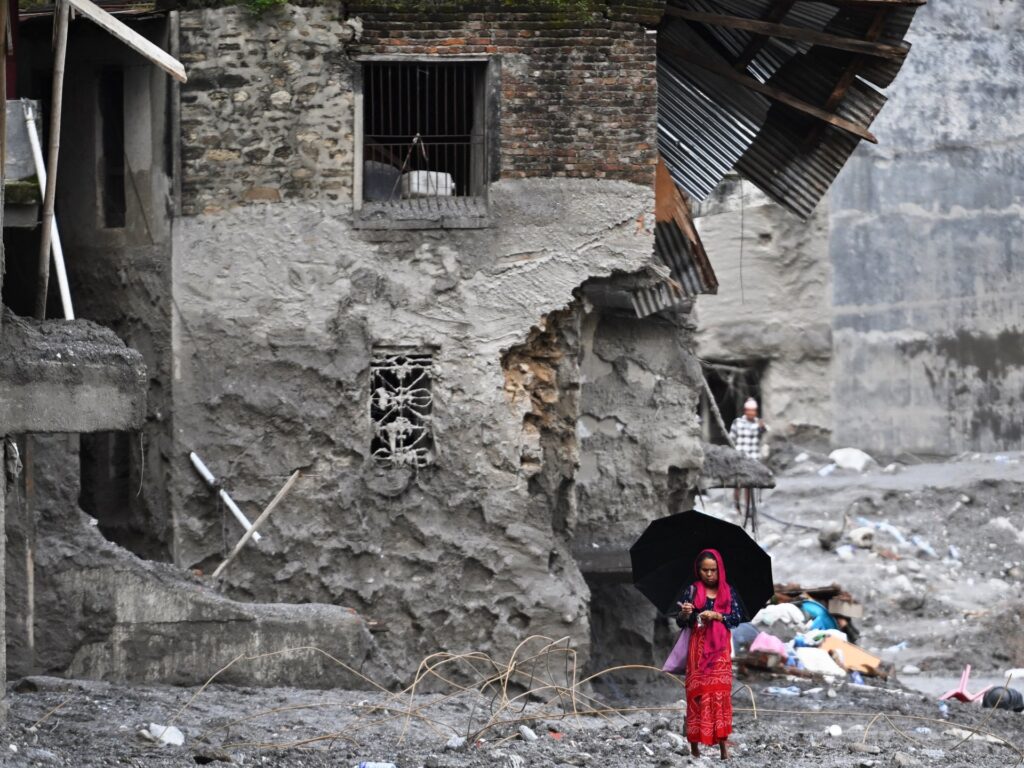
Nepal is reeling from one of the deadliest natural disasters in its recent history as the death toll from widespread and devastating floods has surged beyond 1,000. The catastrophic flooding, triggered by heavy monsoon rains, has wreaked havoc across multiple regions, completely transforming the landscape and causing unprecedented destruction. Authorities and rescue teams are currently concentrating their efforts on hydropower project sites, where it is feared that hundreds of workers remain trapped amidst the chaos. These critical locations, often sited in vulnerable river valleys, have been severely impacted by the floods and subsequent landslides, further complicating rescue operations.
The disaster has displaced tens of thousands of residents and has severely disrupted the infrastructure, including power, communications, and transportation networks. Emergency response teams, alongside military and local volunteers, are conducting intensive search and rescue missions, scrambling against time to reach survivors and provide essential aid. The government has appealed for international assistance to bolster the ongoing relief efforts balanced against the continuing threat of after-flood hazards such as landslides and waterborne diseases.
Hospitals in the affected zones are overwhelmed, grappling with the influx of injured and ill victims. The flood waters have also contaminated drinking water sources, raising alarms about potential health crises. The displaced populations are living in temporary shelters, facing the twin challenges of limited resources and the monsoon’s continuation.
Nepal’s hydropower infrastructure is especially vulnerable during such floods, and the damage to these sites not only endangers workers but also poses a threat to the country’s energy security. Repair and recovery are expected to be a lengthy and costly process, further stressing the fragile economy of the nation.
Humanitarian agencies are mobilizing to provide food, clean water, medical supplies, and psychological support to the affected communities. Relief operations are complicated by the remote and rugged terrain of Nepal, making access and timely delivery of aid a significant challenge.
This tragic event underscores the urgent need for enhanced disaster preparedness and infrastructure resilience in Nepal, a country frequently impacted by monsoon floods and earthquakes. The international community has shown empathy and readiness to provide assistance to help Nepal overcome this grave crisis.
As rescue efforts continue, the hope remains for the safe recovery of those trapped and for the restoration of the affected communities. The road to recovery will be long and fraught with challenges, but the solidarity and prompt action by Nepalese authorities, citizens, and global partners provide a beacon of hope in these dark times.