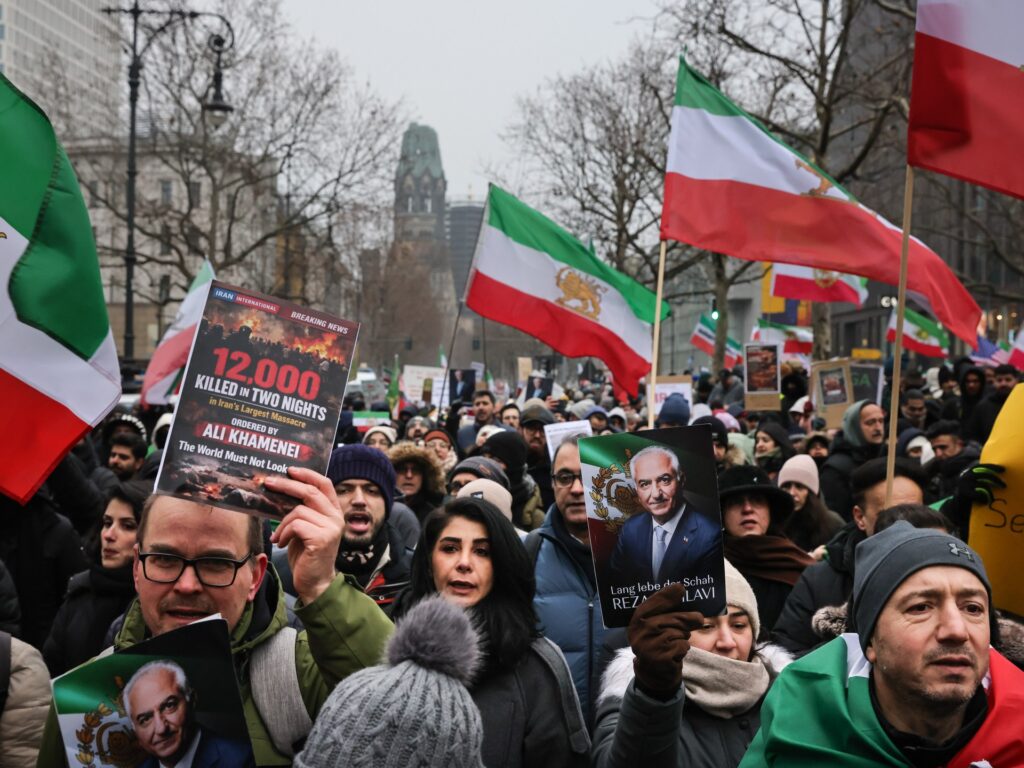
In recent times, the Iranian diaspora has found itself deeply divided amidst the ongoing war and political turmoil centered in Tehran. This division stems from a paradoxical stance many Iranians living abroad hold: opposing the war itself while simultaneously criticizing the government in Tehran.
The Iranian diaspora, spread across various continents including North America, Europe, and Australia, has historically been a politically active community. Many fled Iran following the 1979 Islamic Revolution and subsequent conflicts, carrying with them memories of instability and oppression. Today, this community is once again grappling with the complexities of supporting peace while denouncing the leadership that orchestrates the war.
The war, which has escalated tensions and caused significant humanitarian crises, is widely opposed by most Iranians abroad. They fear the consequences of prolonged conflict, which includes not only loss of lives but also economic devastation that affects ordinary citizens. However, their opposition to the war does not translate into support for the government; in fact, many hold the government responsible for instigating and perpetuating the conflict.
This nuanced position has created rifts within the diaspora. Some members advocate vehemently against the war but shy away from direct political confrontation, envisioning peaceful reforms. Others are more militant in their opposition to the Tehran regime, supporting revolutionary movements or international interventions aimed at regime change.
Adding to the complexity is the social media landscape, where debates among diaspora Iranians often inflame divisions. Platforms like Twitter and Instagram have become battlegrounds for ideological clashes, with some calling for solidarity among Iranians worldwide and others promoting distinct political agendas.
Historically, diaspora communities have played significant roles in shaping perceptions and policies about their homelands. For Iranians abroad, these roles are complicated by their dual identities – as critics of their country’s regime and as advocates for their country’s future. The war challenges this balance, forcing many to navigate their activism with caution and conviction.
Activists within the diaspora express concern that the war’s continuation only strengthens hardline elements in Tehran, undermining prospects for democratic change. They argue that international sanctions and diplomatic isolation tend to hurt ordinary Iranians more than the political elite.
At the heart of these debates is a shared desire for peace and justice in Iran. Despite the divisions, many Iranians abroad maintain hope that their voices, whether raised in protest or dialogue, contribute to a better future.
In conclusion, the Iranian diaspora’s stance on the war and the Tehran government reflects a complex and multifaceted reality. Their opposition to the conflict coexists with criticism of the regime, illustrating the challenges of preserving unity in the face of political and moral dilemmas. As the war continues, these divisions remain a poignant reminder of the ongoing struggles faced by Iranians both at home and abroad.