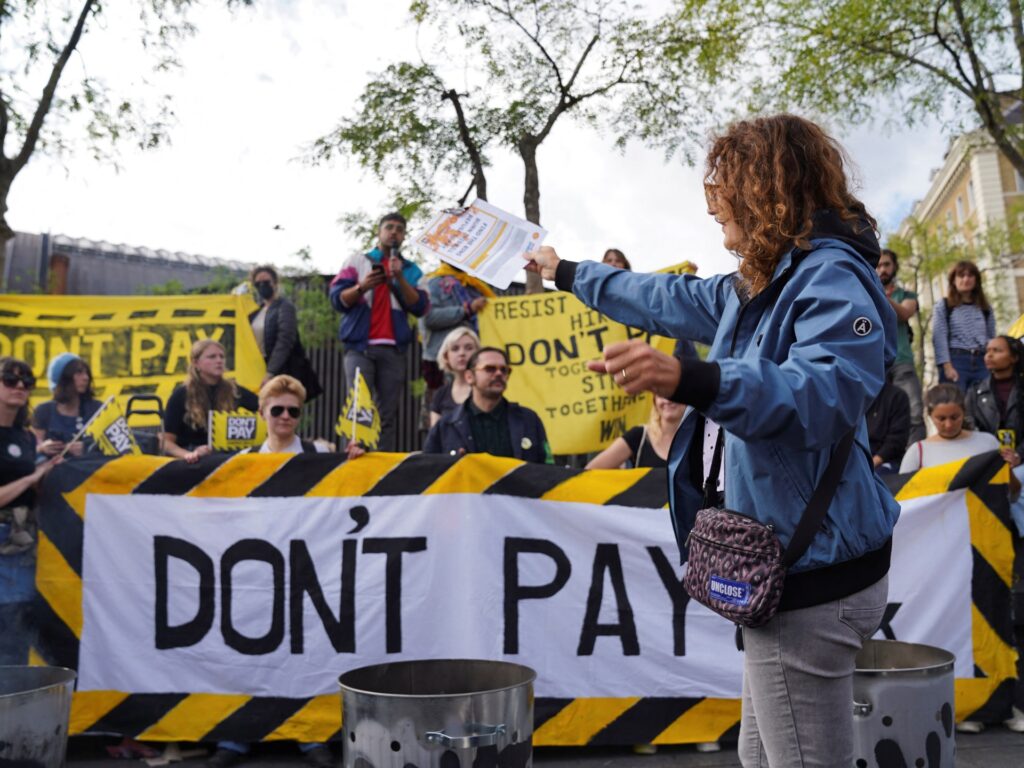
Britons are bracing for a potential rise in energy costs as geopolitical tensions intensify between the US, Israel, and Iran. Experts warn that the unfolding conflict could lead to a ‘risk premium’ being added to energy prices, compounding the financial strain on households already grappling with the aftermath of recent price hikes and inflation.
The UK government is expected to announce an increase in the energy price cap, a measure designed to protect consumers from excessive energy bills. However, this forthcoming adjustment comes as a blow to many families still recovering from the squeeze on their budgets caused by rising living costs over the last year.
Energy markets are particularly sensitive to geopolitical instability in the Middle East, a major hub for oil and gas production. The current conflict risk between the US and Israel against Iran threatens to disrupt supply chains and elevate crude oil prices globally. This uncertainty triggers a ‘risk premium’—a higher cost factored into prices to account for possible supply disruptions or conflict escalation.
Analysts suggest that this risk premium may persist as long as the tensions remain unresolved, putting upward pressure on energy costs in the UK and beyond. For Britons, this translates into higher household energy bills, increased inflationary pressures, and a greater challenge in managing day-to-day expenses.
Consumer advocacy groups have voiced concerns about the impact of rising energy prices, urging the government to explore additional support mechanisms for vulnerable households. The call is to alleviate the compounded financial burden stemming from inflation, wage stagnation, and now heightened energy costs linked to international conflicts.
Meanwhile, the government has emphasized its commitment to ensuring energy security and affordability. This includes plans to accelerate investment in renewable energy sources, improve energy efficiency measures, and navigate geopolitical risks with diplomatic efforts.
Experts emphasize that while immediate price increases are difficult to avoid, long-term strategies targeting energy diversification and sustainability are critical to shield consumers from future shocks.
As the situation evolves, Britons are encouraged to stay informed about market developments and explore available support options to cope with the rising cost of energy.
This stark scenario underscores the broader economic vulnerabilities intertwined with global geopolitical dynamics, reminding policymakers of the urgent need to balance security, affordability, and sustainability in energy policy.