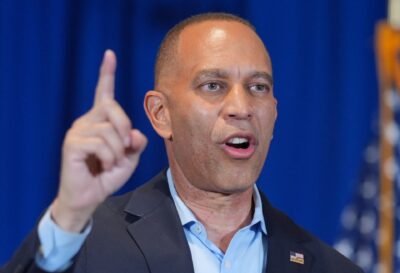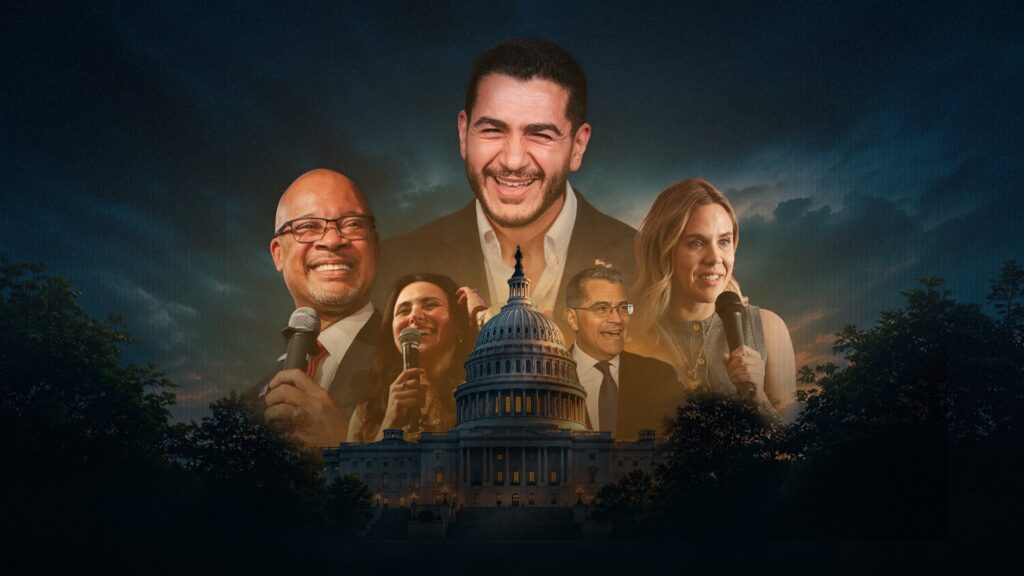
The 2026 US midterm elections marked a transformative moment in American politics, characterized by a wave of historic firsts that reflect the nation’s increasing diversity and progressive strides. For the first time, the political landscape has seen unprecedented victories by women, Black, Muslim, gay, and Native American candidates, reshaping the US political map in profound ways.
Women candidates broke multiple glass ceilings across states, securing seats that have traditionally been held by men. Their victories not only add to the numerical strength of women in legislatures but also enhance the diversity of perspectives in policymaking.
Black politicians achieved landmark wins, expanding their representation beyond traditional districts to more competitive and varied constituencies. This expansion signals a broader acceptance and support for diverse leaders across racial lines.
Muslim candidates made significant inroads, with several winning their first-ever congressional and state legislative seats. Their success highlights growing recognition and political engagement among Muslim Americans.
The elections also saw openly gay candidates winning in various regions, emphasizing increased societal acceptance and the breaking down of barriers that previously limited LGBTQ+ political representation.
Native American politicians achieved historic victories in regions with significant indigenous populations and beyond. Their presence in legislative bodies brings vital attention to Native issues and promotes inclusive governance.
These historic firsts collectively signal a political awakening and a commitment to representation that better mirrors the multicultural fabric of the United States. The 2026 midterms are not simply about numbers but the changing ethos of American democracy, where a wide range of voices and experiences are increasingly represented at all levels of government.
Analysts believe these changes will influence US policy directions on social justice, healthcare, education, and civil rights. The newly elected officials are expected to champion progressive reforms and work towards more equitable legislation.
This election cycle’s outcomes reflect the growing political influence of minority and marginalized communities, underpinning the importance of voter engagement and grassroots activism in shaping government.
Overall, the 2026 US midterm elections serve as a landmark chapter in American political history, demonstrating the power of inclusion and diversity in democracy, setting a precedent for future elections and inspiring emerging leaders across all communities.