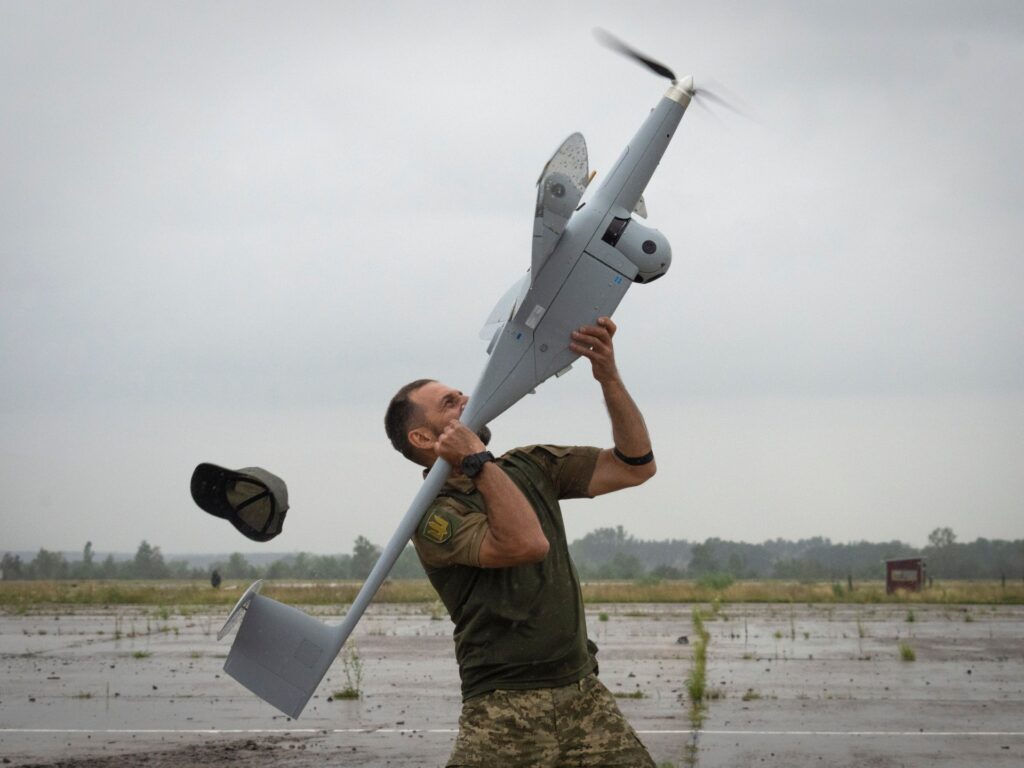
Poland has initiated a terrorism probe following a significant fire at a factory responsible for supplying drones to Ukraine. Authorities suspect the blaze may have been an act of sabotage, potentially linked to foreign intelligence services, heightening tensions amid the ongoing conflict involving Ukraine and Russia.
The factory, which plays a crucial role in producing unmanned aerial vehicles (UAVs) used by Ukrainian forces, suffered extensive damage in the fire. The incident has raised concerns in Warsaw about the possible involvement of Russian operatives aiming to disrupt Ukraine’s defense capabilities by targeting its supply chain abroad.
Investigators are currently exploring the circumstances of the fire, testing evidence at the site, and looking for indications of deliberate arson or other malicious activities. Officials have not yet disclosed specific details but emphasize that the damage was not accidental. The probe includes cooperation with Poland’s counterintelligence agencies and possibly international partners.
This event comes amid a heightened atmosphere of espionage and sabotage fears within European countries that support Ukraine. Poland, a key NATO member and ally to Ukraine, has been vigilant against threats aimed at undermining its support for Kyiv, including cyberattacks and physical threats against military supply infrastructure.
Experts note that targeting a drone factory aligns with tactics often employed in hybrid warfare, where adversaries seek to weaken their opponents without engaging in direct military conflict. Disrupting drone production could significantly impair Ukraine’s surveillance and tactical operations against Russian forces.
While Poland steps up security measures and investigations, officials warn against premature conclusions and call for calm. The government has assured the public that all necessary resources will be dedicated to uncovering the perpetrators and preventing future attacks.
The broader geopolitical implications of this incident underscore the volatile security environment in Eastern Europe. As Poland continues to back Ukraine militarily and politically, it faces increased risks of retaliatory actions by entities sympathetic to Russian interests.
In summary, the fire at the drone factory in Poland has escalated to a terrorism investigation, reflecting the serious concerns about foreign sabotage targeting Ukraine’s military supply network. The ongoing inquiry will seek to confirm the origins of the fire and identify those responsible, marking a critical moment in Poland’s response to hybrid threats linked to the Ukraine conflict.