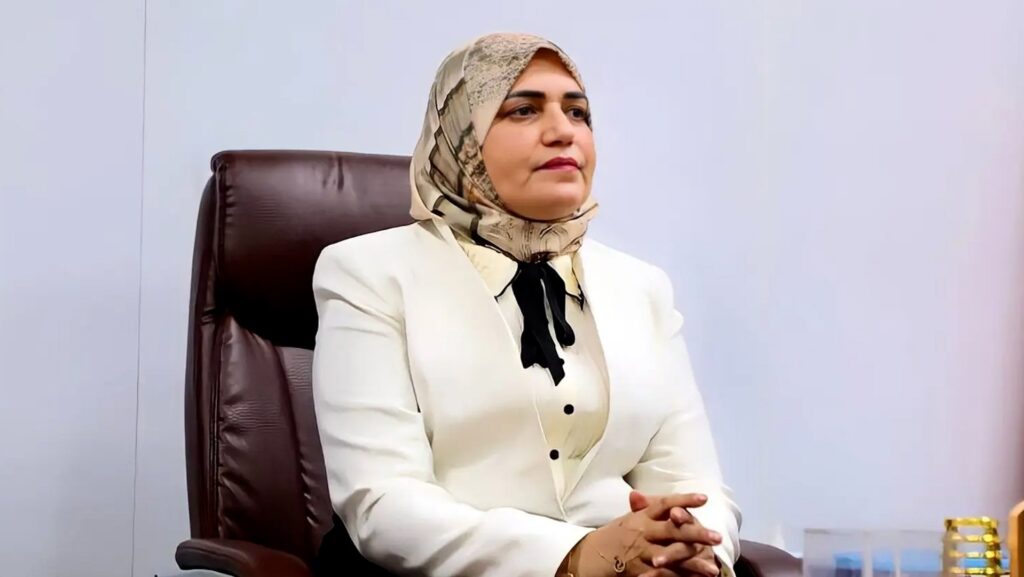
The United States government has revoked the visa of an award-winning former Iraqi minister following her placement on an FBI terrorism watchlist. This action marks a significant step in the US’s ongoing efforts to enhance national security and prevent individuals suspected of involvement in terrorism from entering the country.
The former Iraqi minister, who was once recognized for her contributions to her country, found herself subject to scrutiny after intelligence sources linked her to activities that prompted the FBI to classify her as a potential security threat. As a result, US authorities withdrew her visa, effectively barring her entry into the United States.
Officials have not disclosed detailed information about the specific reasons behind her inclusion on the terrorism watchlist, citing the sensitive nature of ongoing investigations and national security protocols. However, the decision underscores the US government’s commitment to rigorously enforcing immigration and visa policies to protect its citizens.
This incident highlights the complex challenges faced by international diplomats and officials whose past affiliations or activities may come under intense scrutiny in the global fight against terrorism. It also serves as a cautionary tale for public figures who seek entry into the US, emphasizing the importance of vetting processes.
The former minister’s visa revocation could have broader implications for diplomatic relations between the US and Iraq. It may prompt discussions on intelligence sharing, legal standards for watchlisting individuals, and the impact of such measures on bilateral cooperation.
While some advocacy groups have raised concerns about the transparency and fairness of watchlisting procedures, US agencies maintain that these actions are necessary to safeguard national security. The balance between civil liberties and security remains a subject of ongoing debate within American society.
The US has a history of revoking visas when travelers pose potential security risks, a practice that has intensified in the post-9/11 era. This case further illustrates the evolving dynamics of global security and immigration control.
In response to the revocation, the former Iraqi minister has expressed surprise and denial regarding the allegations, asserting her innocence and commitment to peaceful leadership. Her legal representatives may seek to challenge the revocation through appropriate diplomatic and legal channels.
This event reiterates the complexities involved in international relations where security concerns intersect with diplomatic courtesies. It underscores the US government’s vigilance in monitoring potential threats and taking decisive action when necessary.
As counterterrorism measures continue to evolve, the international community will likely witness more instances of visa revocations and other restrictive measures aimed at preventing the movement of individuals who may pose security risks.
The case invites dialogue about the balance between security and human rights, particularly in handling cases involving former government officials and public figures. It remains to be seen how the US and Iraq will navigate this sensitive issue moving forward.
Ultimately, the US visa revocation against the former Iraqi minister demonstrates the country’s priority on maintaining rigorous security checks and its readiness to act swiftly against perceived threats, reinforcing its position in global counterterrorism efforts.