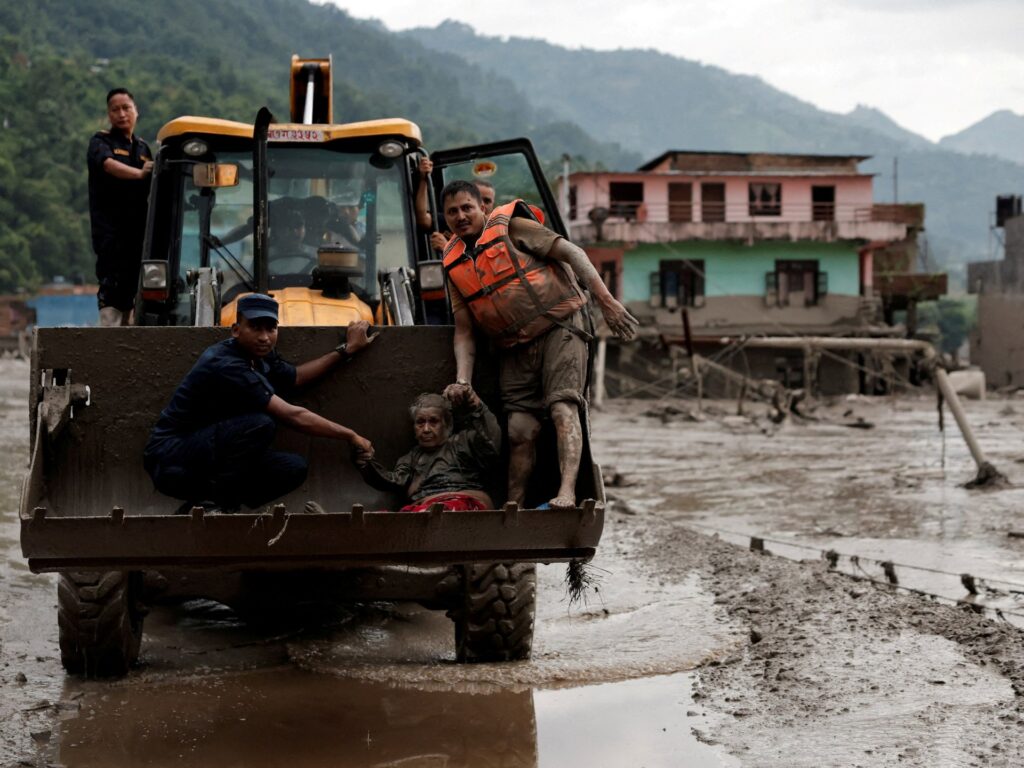
In one of the most devastating natural disasters in recent Himalayan history, a glacier collapsed on the Nepal-Tibet border, unleashing catastrophic floods that have resulted in significant loss of life and widespread destruction. The tragedy has claimed at least 160 lives, with many more missing and feared dead.
The disaster struck when a large section of a Himalayan glacier broke off, causing a massive surge of water and debris to rush down the mountain valleys. This glacial lake outburst flood (GLOF) overwhelmed riverbanks, destroyed villages, and swept away roads and bridges, effectively cutting off entire communities from aid and communication.
Glacial collapse events are typically caused by a combination of factors including rising global temperatures, which accelerate glacier melting, and geological instabilities such as earthquakes or landslides. In this instance, experts believe the region’s warming climate played a critical role in destabilizing the glacier, while recent seismic activity may have triggered its sudden failure.
The floods have devastated Nepal’s Karnali province and adjacent areas in Tibet, where remote villages have been hardest hit. Rescue operations face tremendous challenges due to the terrain’s remoteness and ongoing risk of further flooding or landslides. Helicopters and ground teams are engaged in searching for survivors and delivering emergency aid, but many survivors are stranded without immediate help.
Local authorities have reported that most of the missing are villagers and trekkers caught in the floodwaters. The death toll is expected to rise as rescue and recovery efforts continue. Many families are awaiting news of their loved ones, while emergency shelters are being set up for displaced residents.
The international community has expressed condolences and pledged assistance. Disaster experts emphasize the urgent need for improved monitoring of glacial lakes and better preparedness to reduce the impact of such events in the future. The Nepal-Tibet floods highlight the increasing vulnerability of Himalayan communities to climate change and underscore the critical importance of environmental and disaster risk management in mountainous regions.