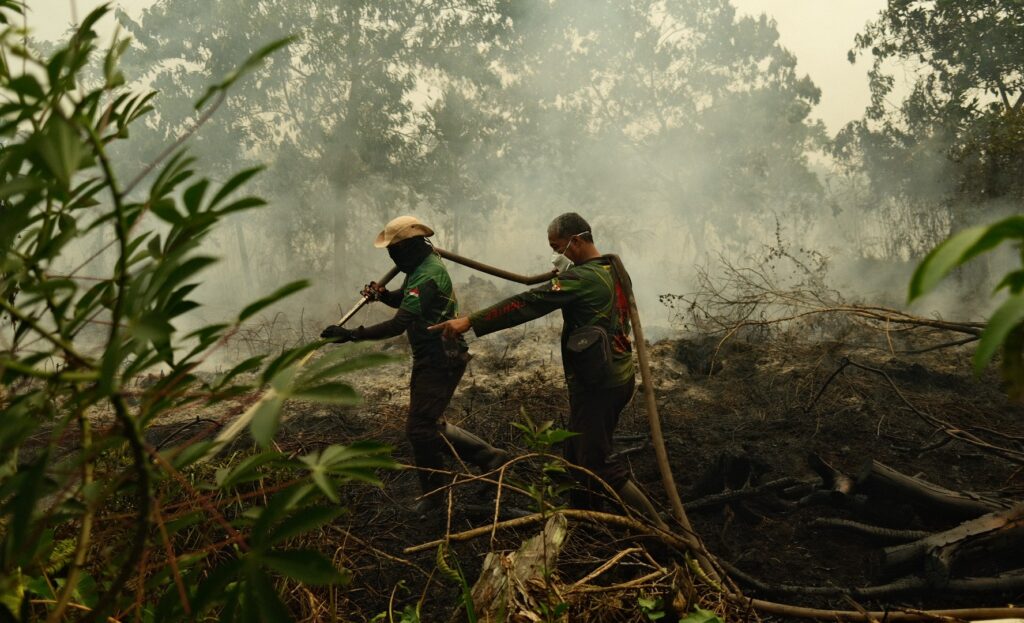
Indonesia is currently facing a severe wildfire crisis, particularly in the West Kalimantan region, where fires have engulfed vast areas, leaving the environment and its people in a dire state. The situation has escalated to a humanitarian emergency as ash blankets entire communities, severely impacting residents’ health and daily lives.
The wildfires, driven by dry conditions and exacerbated by human activities such as illegal land clearance using fire, have rapidly spread across dense forests and agricultural lands. The thick smoke and persistent haze have caused air quality to plummet, posing serious health risks. Medical experts warn that vulnerable groups, including pregnant women and children, are especially at risk of respiratory problems and other health complications resulting from prolonged exposure to the toxic fumes.
Local hospitals and clinics in West Kalimantan are overwhelmed with patients suffering from respiratory issues, eye irritation, and other ailments linked to the worsening air pollution. Authorities have issued health advisories urging residents to stay indoors, use protective masks, and avoid strenuous outdoor activities. Despite these measures, many community members continue to struggle as ash falls like snow, coating homes, streets, and vegetation in a thick grey layer.
Environmentalists have expressed concern about the long-term consequences of the wildfires on biodiversity and natural ecosystems. The destruction of critical habitats threatens the survival of endangered species and disrupts the delicate balance of tropical forests, which are vital for carbon sequestration and climate regulation.
Efforts to combat the fires are ongoing, with firefighters, military personnel, and volunteers working tirelessly to control the blazes. However, the challenging terrain, scarcity of water sources, and weather conditions hamper firefighting operations. International aid and resources are being mobilized to assist Indonesia in tackling this crisis.
The Indonesian government has called for increased cooperation among local communities, businesses, and environmental organizations to prevent future outbreaks. Officials stress the need for sustainable land management practices and stronger enforcement of laws against illegal burning.
As the fires continue to rage, the people of West Kalimantan face a difficult road to recovery. Immediate relief measures, including distribution of clean water, medical supplies, and support for displaced families, are critical to mitigate the impact of this disaster. The crisis serves as a stark reminder of the urgent need to address environmental protection and climate resilience in Indonesia and worldwide.