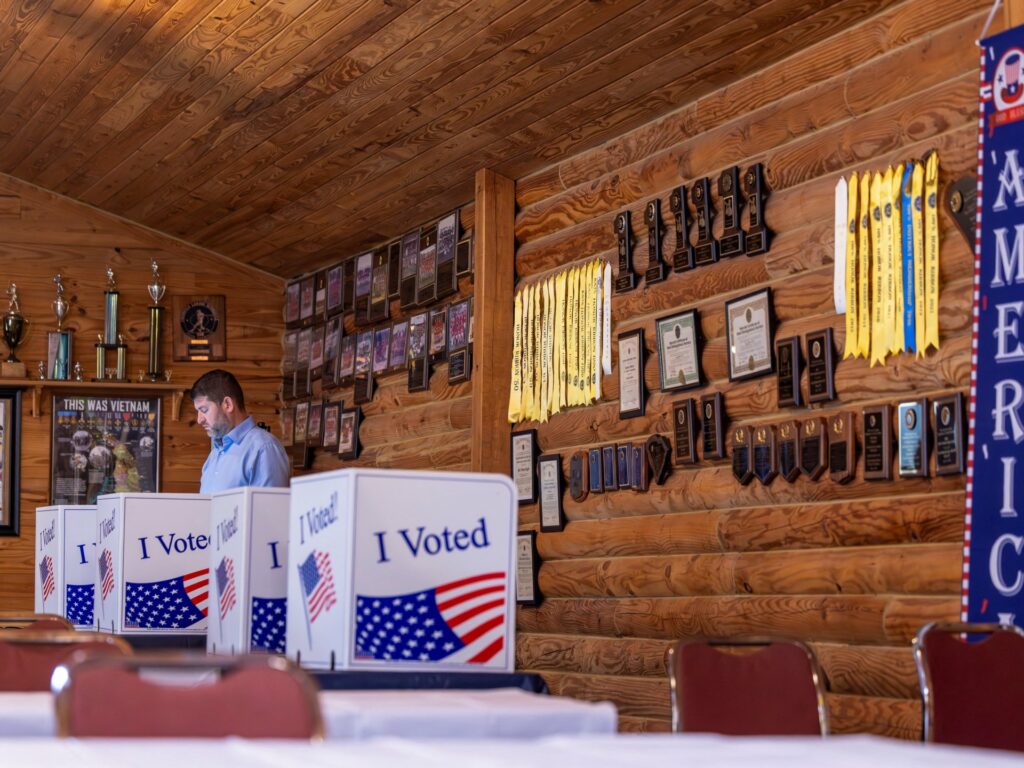
The United States Postal Service (USPS) has announced the immediate enforcement of new restrictions on mail-in ballots, following a pivotal ruling by the US Supreme Court. This decision upholds changes endorsed by President Donald Trump, aimed at tightening regulations surrounding the processing and delivery of mail-in election votes.
The Supreme Court’s ruling marks a significant moment in the ongoing debate over mail-in voting. Supporters of the restrictions argue that the measures are necessary to ensure the integrity and security of the electoral process. They claim that stricter controls will help prevent potential fraud and maintain public confidence in election outcomes.
Opponents, however, view the changes as a potential barrier to voting access, particularly for those who rely heavily on mail-in ballots, such as the elderly, disabled individuals, and voters in rural areas. Critics have expressed concern that these restrictions might lead to disenfranchisement and discourage voter participation.
In response to the new USPS rules, several legal challenges have been filed, signaling that the battle over mail-in voting regulations is far from over. Civil rights groups and voting rights advocates have already taken steps to contest the Supreme Court’s decision, arguing that the restrictions could disproportionately affect minority voters and violate constitutional protections.
The changes implemented by the USPS include tighter deadlines for the acceptance and processing of mail-in ballots, as well as enhanced identification requirements. Election officials and postal workers have been instructed to adhere strictly to the new protocols, with the goal of eliminating delays and ensuring the timely delivery of valid ballots.
Experts suggest that these developments could have a considerable impact on upcoming elections, especially amid the ongoing concerns about election security and voter turnout. The heightened scrutiny of mail-in ballots comes at a time when they have become an increasingly popular option for voters, particularly in light of the COVID-19 pandemic.
Political analysts warn that the newly enforced restrictions might lead to prolonged disputes over the validity of certain ballots and potentially slow down the counting process. This could result in delayed election results and heightened political tensions.
Despite these uncertainties, the USPS continues to emphasize its commitment to delivering mail-in ballots efficiently and securely. The agency has pledged to work closely with state and local election authorities to implement the new rules while minimizing disruptions to the voting process.
As the legal challenges progress, courts will need to balance the government’s interest in election security with the fundamental right to vote. The outcome of these battles will likely shape the future landscape of mail-in voting in the United States.
In conclusion, the enforcement of new mail-in ballot restrictions by the USPS, backed by a Supreme Court ruling, reflects the complex intersection of election integrity, voter access, and political strategy. With ongoing legal disputes and public debate, the future of mail-in voting remains uncertain but critically important to the democratic process.