The World Health Organization (WHO) has officially declared the Ebola outbreak in Uganda over after a 42-day period without any new reported cases or transmissions. This milestone marks a significant achievement for Uganda’s health system and the international efforts to contain the deadly virus.
The Ebola virus disease, known for its high fatality rates and severe symptoms, had recently re-emerged in Uganda, raising significant concerns both locally and globally. The prompt response by the Ugandan government, in coordination with WHO and other health partners, was critical in quickly mobilizing resources and deploying containment measures.
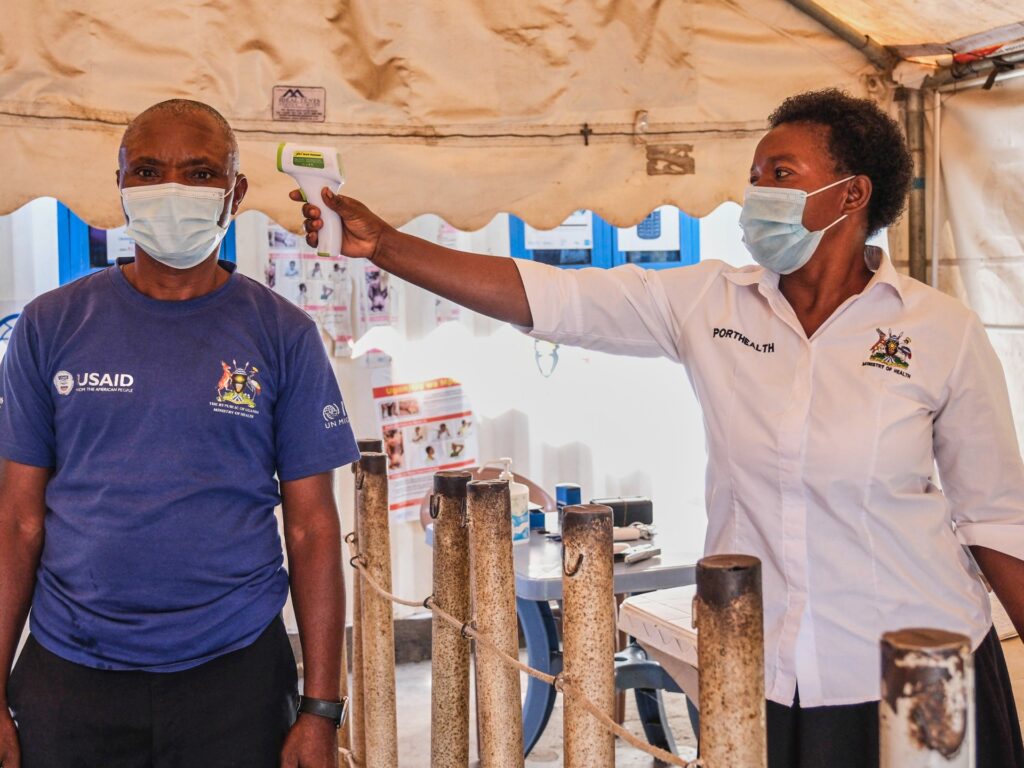
During the outbreak, Uganda employed rigorous surveillance, contact tracing, community sensitization, and vaccination campaigns, all of which played crucial roles in controlling the spread of the virus. The declaration of the outbreak’s end follows a double incubation period with no new cases, a key indicator used worldwide to determine the cessation of Ebola transmission.
Despite the positive news from Uganda, cases of Ebola continue to rise in neighboring Democratic Republic of Congo (DR Congo). The situation there remains challenging, with ongoing transmission in multiple provinces, posing risks to regional health security and requiring sustained international support for containment efforts.
WHO continues to emphasize the importance of vigilance and preparedness even after the official end of outbreaks. Lessons learned from Uganda’s response will help inform strategies to combat Ebola and other emerging infectious diseases in the region and globally.
The conclusion of the outbreak in Uganda is a testament to effective collaboration between government authorities, international organizations, local communities, and healthcare workers. This success highlights the vital need for continued investments in health systems strengthening, rapid response capabilities, and community engagement to prevent future outbreaks.
Global health experts warn that while the end of the outbreak is cause for celebration, the threat of Ebola remains. Cross-border cooperation, enhanced surveillance, and rapid vaccine deployment will be essential in preventing the spread of the virus across African nations and beyond.
Public health officials are now focusing on maintaining readiness, ensuring that medical facilities remain equipped and healthcare workers trained to act swiftly should new cases arise. Uganda’s achievement demonstrates that with coordinated action and adequate resources, even highly infectious diseases like Ebola can be brought under control.
On the international stage, WHO’s declaration is expected to boost confidence in the global fight against infectious diseases, paving the way for renewed efforts to strengthen global health security networks.
In conclusion, while Uganda celebrates the official end of its Ebola outbreak, vigilance and international cooperation remain paramount. The ongoing situation in DR Congo serves as a stark reminder of the continuing risks posed by Ebola and the need for sustained global commitment to disease prevention and response.